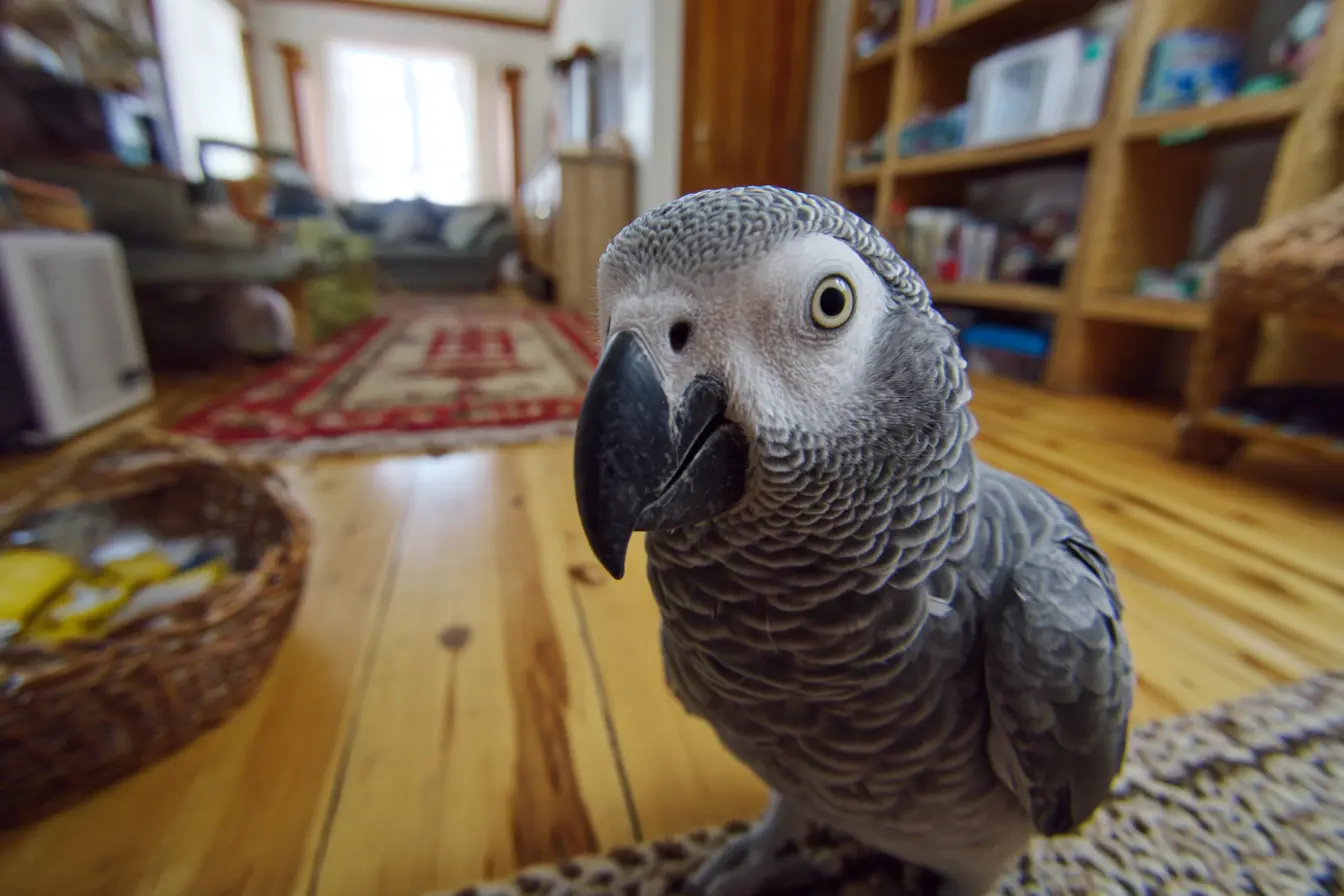
Vegetables are one of the most important components of a healthy parrot diet. While pellets and high-quality seeds have their place, fresh vegetables provide vital vitamins, minerals, fibre, and natural enrichment. Because parrots are highly intelligent birds with delicate digestive systems, choosing the right vegetables, and preparing them correctly, is essential.
This guide explains which vegetables parrots can safely eat, how to prepare them, and what to avoid completely.
Essential Guidelines Before Feeding Vegetables to Parrots
- Vegetables should make up 30–50% of most parrots’ daily diet, depending on species.
- Wash vegetables thoroughly to remove pesticides.
- Chop into appropriate sizes for your parrot’s beak.
- Avoid seasoning with salt, oil, butter, spices, or sauces.
- Introduce new vegetables gradually to avoid digestive upset.
- Offer a mix of colours to maximise nutrient variety.
Safe Vegetables for Parrots
Carrots
Benefits: Vitamin A, fibre, and antioxidants.
How to serve: Raw sticks, grated, or lightly steamed.
Tip: Tops (carrot greens) are also safe and nutritious.
Broccoli
Benefits: High in vitamin C, fibre, and calcium.
How to serve: Raw or steamed florets and stems.
Note: Too much can cause gas; offer in moderation.
Cauliflower
Benefits: Gentle fibre, vitamin C, and hydration.
How to serve: Raw florets or cooked without seasoning.
Note: Leaves are also safe.
Cabbage
Benefits: Hydration and fibre.
How to serve: Raw or lightly steamed.
Caution: Large amounts may cause gas.
Kale
Benefits: Vitamin A, K, and calcium.
How to serve: Raw or steamed, chopped finely.
Tip: A highly nutritious leafy green suitable for all parrot species.
Spinach
Benefits: Iron and vitamins.
How to serve: Raw or lightly steamed.
Caution: Contains oxalates which bind calcium; feed sparingly.
Swiss Chard
Benefits: Rich in vitamins A, C, and K.
How to serve: Chopped and served raw or lightly cooked.
Beet Greens
Benefits: Highly nutritious leafy tops.
How to serve: Washed thoroughly and chopped raw.
Note: Actual beetroot root is also safe but can stain.
Sweet Potatoes
Benefits: High in vitamin A, fibre, and energy.
How to serve: Always cooked and either mashed, diced, or sliced.
Perfect for: African greys and Amazons prone to vitamin A deficiency.
Regular Potatoes
How to serve: Only fully cooked plain potatoes.
Avoid: Raw or green potatoes due to solanine toxicity.
Note: Lower nutritional value compared to sweet potato.
Peppers (All Colours, Including Chilli)
Benefits: Extremely high in vitamin C, antioxidants, and hydration.
How to serve: Slice or chop; seeds are completely safe and can be left in.
Note: Parrots cannot taste capsaicin, so even chilli peppers are safe for them. Very spicy varieties may cause mild digestive upset in some birds.
Green Beans
Benefits: High in fibre and hydration.
How to serve: Raw or lightly steamed; chopped for small birds.
Tip: A great crunchy enrichment food.
Peas
Benefits: Natural plant protein and vitamins.
Types: Garden peas, sugar snap peas, mangetout.
How to serve: Fresh or thawed frozen peas.
Warning: Avoid canned peas due to salt content.
Courgette
Benefits: Mild, hydrating, low-calorie.
How to serve: Raw slices, grated, or lightly cooked.
Perfect for: Birds with sensitive digestion.
Cucumbers
Benefits: Hydrating and crunchy.
How to serve: Peeled and sliced.
Note: Very low nutritional content but great for hydration.
Butternut Squash
Benefits: Vitamins A and C; great for digestion.
How to serve: Cooked, peeled, deseeded, and diced.
Tip: Seeds can be roasted (unsalted) and offered as a treat.
Pumpkin
Benefits: Fibre-rich and good for digestion.
How to serve: Cooked flesh or raw seeds (washed and dried).
Note: Perfect for autumn enrichment.
Celery
Benefits: Hydration and crunch.
How to serve: Finely chopped to avoid stringy strands.
Caution: Remove tough strings for small parrots.
Asparagus
Benefits: Vitamin K, folate, and fibre.
How to serve: Lightly cooked; chop into small pieces.
Note: May cause stronger-smelling droppings.
Brussels Sprouts
Benefits: Nutrient-dense and full of fibre.
How to serve: Steamed and chopped.
Caution: Gas-producing so it is best to offer in moderation.
Spinach
Benefits: High in iron and antioxidants.
How to serve: Fresh, chopped, or lightly steamed.
Note: Avoid large amounts due to oxalates.
Aubergine (Cooked Only)
How to serve: Cook thoroughly; offer plain pieces.
Avoid: Raw or under-ripe aubergine due to solanine content.
Edamame (Unsalted)
Benefits: High in protein.
How to serve: Steamed and shelled.
Note: Only use plain, unsalted edamame.
Corn
Benefits: Popular with parrots; provides fibre and natural sweetness.
How to serve: Fresh kernels or corn on the cob (raw or cooked).
Note: Moderation recommended due to natural sugar.
Beetroot
Benefits: Antioxidants, fibre, and hydration.
How to serve: Cooked and diced; remove skin.
Tip: Can temporarily stain droppings red. This is harmless but can be alarming for owners.
Tenderstem & Regular Broccoli Stems
Benefits: Crunchy and fibre-rich.
How to serve: Raw or steamed; cut into parrot-friendly chunks.
Romaine Lettuce
Benefits: Hydrating and vitamin-rich.
How to serve: Tear leaves into small pieces.
Avoid: Iceberg lettuce as it is mostly water with very little nutrition.
Vegetables Parrots Can Eat With Caution
Tomatoes (Ripe Only)
Safe: Ripe tomato flesh.
Avoid: Stems, vines, and leaves (toxic alkaloids).
Caution: Highly acidic so it is best to offer sparingly.
Mushrooms
Safe: Supermarket mushrooms only, cooked.
Avoid: Wild mushrooms as many are deadly to birds.
Vegetables Parrots Should Avoid
Onions
Toxic to birds Avoid all forms: raw, cooked, powdered, dehydrated.
Can cause haemolytic anaemia.
Garlic
Toxic to birds.
Causes digestive and blood-health issues.
Leeks, Chives, Shallots
All part of the allium family which are dangerous for parrots.
How Much Vegetable Should a Parrot Eat?
General guidance:
- Small parrots (budgies, cockatiels): 1–2 tablespoons daily.
- Medium parrots (Senegals, conures): 2–4 tablespoons daily.
- Large parrots (Amazons, macaws): ½ to 1 cup daily.
Vegetables should make up 30–50% of the total diet alongside pellets, safe fruits, grains, and occasional nuts.
Health Conditions That Require Extra Care
Overweight Parrots
Choose:
- Leafy greens
- Courgette
- Broccoli
- Green beans
Avoid:
- Corn
- Sweet potatoes
- Peas (higher in carbohydrates)
Liver Disease
Offer:
- Leafy greens
- Broccoli
- Courgette
- Avoid high-fat or starchy vegetables.
Vitamin A Deficiency
Provide:
- Sweet potatoes
- Kale
- Carrots
- Butternut squash
Especially helpful for African greys and Amazons.
Sensitive Digestion
Start with:
- Pumpkin
- Butternut squash
- Courgette
Avoid gas-producing vegetables until tolerance improves.
Fun and Enriching Ways to Serve Vegetables
- Vegetable skewers hung in the cage.
- Foraging trays with chopped veg mixed with paper or toy parts.
- Stuffed peppers with mixed vegetables for larger parrots.
- Veggie mash bowls for easy feeding.
- Freeze vegetable cubes in summer to keep birds cool.
Conclusion
Vegetables are an essential part of a parrot’s diet, offering vitamins, minerals, fibre, and enrichment. From vitamin-packed sweet potatoes and leafy greens to crunchy peppers and hydrating courgettes, the right vegetable selection supports excellent health and keeps parrots mentally stimulated.
By following this guidance, parrot owners can confidently introduce a wide range of safe vegetables while avoiding harmful options like onions, garlic, and raw aubergine. If your parrot has specific health issues, always consult an avian specialist vet before making major dietary changes.
Quick questions
- What should I know about parrot vegetables?
- Vegetables are a key part of a parrot's diet, providing vitamins, minerals, and fibre. About 30-50% of a parrot's daily food should be vegetables. Safe options include carrots, broccoli, and kale. Be cautious with tomatoes and. Vet Verified can help you compare UK veterinary practices by location, species, services and opening hours before you call.
- When should I contact a vet about parrot vegetables?
- Contact a veterinary practice if your pet seems unwell, symptoms are getting worse, you are unsure what to do, or the situation may be urgent. Vet Verified helps you compare practice details, but a vet should advise on your pet's current care.
- Can Vet Verified help me find bird vets?
- Yes. Use Vet Verified to compare bird vets across the UK, then check practice profiles and call directly to confirm current availability.
Find a vet
Need a vet for this?
Use Vet Verified to compare UK veterinary practices that match this topic, then call the practice directly to confirm current services and availability.