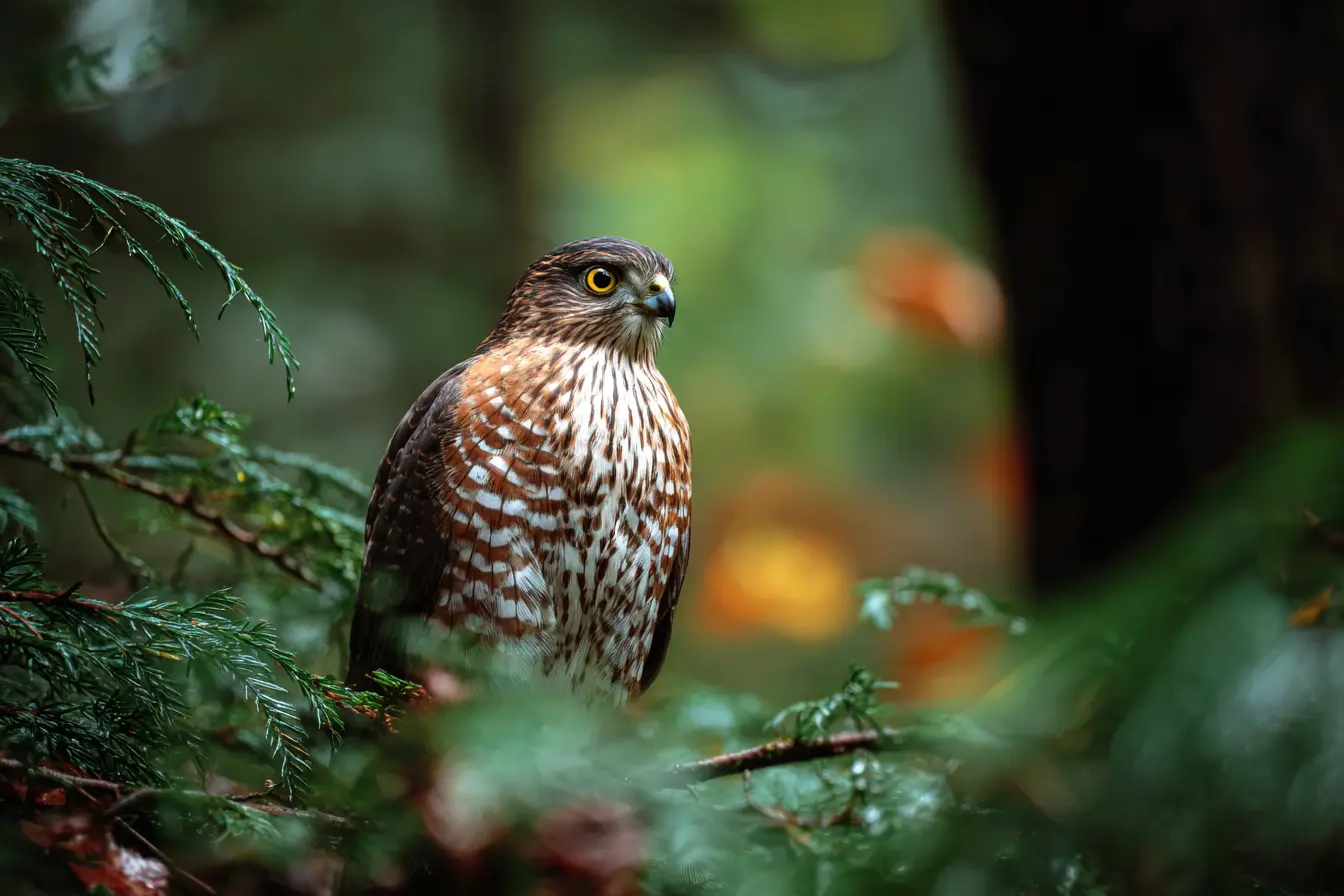
Even the most experienced falconers can face the heart-stopping moment when their bird of prey fails to return. Whether spooked by a loud noise, distracted by wild quarry, or simply flying further than expected, a fly-off can happen to anyone. The key is to stay calm, act quickly, and know exactly what steps to take. This guide explains how to prepare for such situations and what to do if your bird doesn’t come back.
Prevention Is the Best Defence
Before covering what to do, it’s worth noting that good preparation significantly reduces the risk of losing a bird:
- Train Recall Thoroughly: Never free-fly a bird until its recall is consistent and reliable.
- Use Telemetry: GPS or radio tracking devices are essential for safe flying.
- Fly at the Right Weight: Ensure the bird is at its established flying weight for responsiveness.
- Choose Safe Locations: Avoid areas with busy roads, overhead wires, or known predators.
- Assess Weather: Avoid strong winds or poor visibility that can push the bird off course.
Immediate Actions if the Bird Flies Off
1. Stay Calm
Panic can lead to poor decisions. Take a breath and focus on what you know about your bird’s habits and behaviour.
2. Keep the Bird in Sight (If Possible)
If you can still see your bird, keep visual contact while moving to a position where it’s safe to recall or recover it.
3. Use the Lure or Glove
- Present the lure or glove and call as you would in training.
- If the bird is circling or perched nearby, patience is often better than chasing.
4. Avoid Pursuit
Chasing a bird can push it further away. Instead, stay in the general area and let the bird’s curiosity or hunger draw it back.
Using Telemetry
- GPS Trackers: Show real-time location on a smartphone app - follow calmly and methodically.
- Radio Telemetry: Requires a handheld receiver; follow the signal, adjusting your position until you locate the bird.
- Always practice using your telemetry equipment before a real incident.
Searching for a Lost Bird
1. Return to Known Perches
Birds often land on tall, open perches like trees, telegraph poles, or barn roofs.
2. Call and Present Food
Hold the lure or favourite food high, calling in the same way you do during training.
3. Use Familiar Sounds
Whistles, clickers, or even a vehicle horn (if used in training) can trigger a return.
4. Involve Other Falconers
An extra set of eyes and experience can make a big difference.
If You Lose Sight Completely
- Start by marking your last known location of the bird.
- Use telemetry to establish direction and range.
- Move slowly and check all high vantage points.
- If it’s getting dark, return at first light. Birds often roost overnight and can be recovered early the next morning.
What Not to Do
- Don’t Shout Constantly: It can alarm the bird or cause it to ignore your calls.
- Don’t Leave the Area Too Quickly: Many birds return to the original flying site when they don’t see their handler.
- Don’t Give Up Too Soon: Some birds have been recovered hours or even days later.
Recovery After a Fly-Off
When your bird returns or is recovered:
- Offer food immediately to reinforce coming back.
- Check for injuries, damaged feathers, or signs of stress.
- Weigh the bird to assess any weight loss.
- Review what went wrong and adjust training, equipment, or flight locations to reduce future risk.
Long-Term Preparation
Every falconer should:
- Practice recovery drills with their telemetry equipment.
- Train their bird to recognise multiple recall cues.
- Keep a kit ready in the vehicle: spare telemetry batteries, lure, food, and a travel box.
- Have local vet and fellow falconers’ contact numbers handy.
Conclusion
A bird failing to return is one of the most stressful moments in falconry, but with preparation, the right equipment, and a calm, methodical approach, you stand a good chance of recovering it. The best safeguard is consistent training, proper flying weight, and always using telemetry. Remember: prevention is your best tool, but knowing exactly what to do when things go wrong is just as vital.
Quick questions
- What should I know about fly-off?
- Learn how to handle the situation if your bird of prey flies away. Stay calm and use training techniques like calling your bird with a lure. Use GPS or radio tracking devices to find your bird. Fly in safe areas and under good. Vet Verified can help you compare UK veterinary practices by location, species, services and opening hours before you call.
- When should I contact a vet about fly-off?
- Contact a veterinary practice if your pet seems unwell, symptoms are getting worse, you are unsure what to do, or the situation may be urgent. Vet Verified helps you compare practice details, but a vet should advise on your pet's current care.
- Can Vet Verified help me find bird vets?
- Yes. Use Vet Verified to compare bird vets across the UK, then check practice profiles and call directly to confirm current availability.
Find a vet
Need a vet for this?
Use Vet Verified to compare UK veterinary practices that match this topic, then call the practice directly to confirm current services and availability.
Search by species