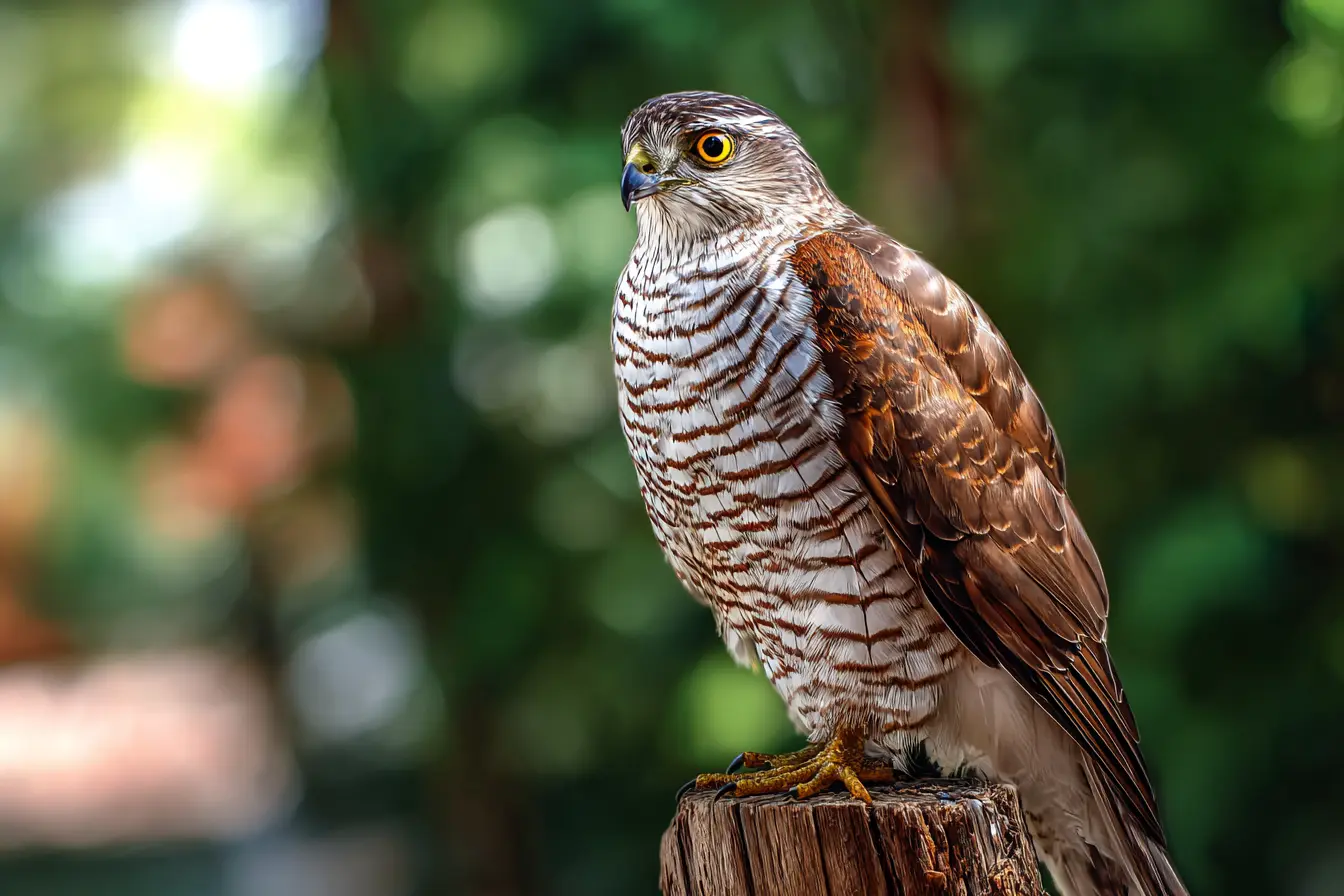
The Complete Guide to Weight Management in Birds of Prey
In falconry and captive care, weight management is one of the most critical skills a handler must master. A bird of prey’s weight affects not only its health but also its responsiveness, hunting ability, and overall well-being. For falconers, the difference between a bird that flies perfectly and one that refuses to return can be just a few grams. This guide explains everything you need to know to get started with weight management, from equipment to safe practices.
Why Weight Management Matters
Birds of prey in the wild regulate their own weight through hunting, periods of fasting, and varying food availability. In captivity, they rely entirely on the keeper for food. Without proper weight control:
- Too Heavy: The bird may become unresponsive, preferring to rest rather than train or hunt.
- Too Light: Health suffers, flight strength decreases, and the bird can become weak or stressed.
- Ideal Flying Weight: The “sweet spot” where the bird is alert, strong, and motivated to work with the handler.
Key Terms
- Hawking Weight (or Flying Weight): The weight at which the bird is most responsive in the field.
- Fed-Up Weight: The bird’s weight after a full meal.
- Base Weight: The bird’s natural weight when well-fed and at rest.
- Manning Weight: A reduced weight used in early training to encourage responsiveness.
Equipment for Weight Management
- Perch Scales: Specialised scales with a perch attachment; accurate to 1g.
- Record Book or Digital Log: To track daily weights, feeding amounts, and training notes.
- Feeding Tweezers/Knife: For portioning prey accurately.
- Telemetry: Optional but recommended; weight control won’t prevent a fly-off, but telemetry ensures you can find the bird.
Establishing a Baseline
- Weigh Daily – Always weigh the bird at the same time each day, ideally before feeding, to get consistent readings.
- Record for at Least Two Weeks – Monitor weight fluctuations and behaviour to understand what’s normal for your bird.
- Note Behavioural Cues – Identify at what weight your bird responds quickly to the glove or lure.
Setting the Flying Weight
Finding the perfect flying weight is a gradual process:
- Start from the bird’s well-fed base weight.
- Reduce food slightly over several days, keeping the bird healthy and alert.
- Begin training on the creance (long line) and observe responsiveness.
- The ideal flying weight is reached when the bird returns promptly and shows hunting interest without appearing weak.
Daily Adjustments
Factors that can change a bird’s ideal flying weight:
- Weather: Cold days may require more food; hot days may reduce appetite.
- Moult: Birds are often fed more generously when moulting to support feather growth.
- Fitness: A fit bird may need slightly more food to maintain the same weight.
- Quarry Availability: Hunting days may provide part of the day’s intake.
Safe Weight Reduction
- Reduce gradually - never “crash” a bird’s weight.
- Ensure the bird has enough energy for training or hunting.
- Watch for signs of stress: fluffing, lethargy, poor balance.
- Keep water available at all times.
Feeding and Weight Control
- Whole Prey: Use varied prey to maintain nutrition even at reduced food amounts.
- Portion Control: Weigh each meal; small changes (5–10g) can make a big difference.
- Post-Training Feeding: Reward the bird with part of its daily ration during or after training.
Recording and Monitoring
When keeping a weight log, always note:
- Date and time of weighing.
- Current weight in grams.
- Food type and amount fed.
- Activity level (training, hunting, rest).
- Behavioural observations such as alertness, responsiveness, or sluggishness.
Example:
- 14/08/25 – 08:00 – 890g – 1 quail leg – Creance training – Responded instantly.
- 15/08/25 – 08:00 – 888g – 2 chicks – Free flight – Slight delay to return.
Common Mistakes to Avoid
- Not weighing daily – Small unnoticed changes can quickly affect behaviour and health.
- Over-reducing weight – Can weaken the bird and make it unsafe to fly.
- Ignoring individual variation – Even birds of the same species have different flying weights.
- Failing to adjust for conditions – Weather, health, and activity levels all matter.
Conclusion
Weight management is at the heart of successful bird of prey care and falconry. It requires patience, consistency, and close observation. By weighing daily, keeping accurate records, and learning your bird’s behavioural cues, you can find and maintain its ideal flying weight - ensuring a healthy, responsive, and reliable partner in the field or on the glove.
Vets near you
Speciality vets
- Aquatics vet specialists
- Birds vet specialists
- Camelids vet specialists
- Cats vet specialists
- Cattle vet specialists
- Deer vet specialists
- Dogs vet specialists
- Equines vet specialists
- Exotic vet specialists
- Goats vet specialists
- Pigs vet specialists
- Poultry vet specialists
- Sheep vet specialists
- Small Mammals vet specialists
- Wild vet specialists
Vet facilities
- Accessible by public transport
- Blood testing
- Car park nearby
- Client car park
- Dentistry
- Diagnostic imaging
- Disabled public access
- Flea and worm treatments
- Microchipping
- Mobile services
- Neutering
- Open at weekends
- Out-of-hours service
- Referral interests
- Referrals only
- Street parking outside
- Toilets available
- Vaccinations