Articles

Field notes on caring for the pets you love.

What Are the Signs Your Guinea Pig Is Sick?

What Are the Signs Your Guinea Pig Is Sick?

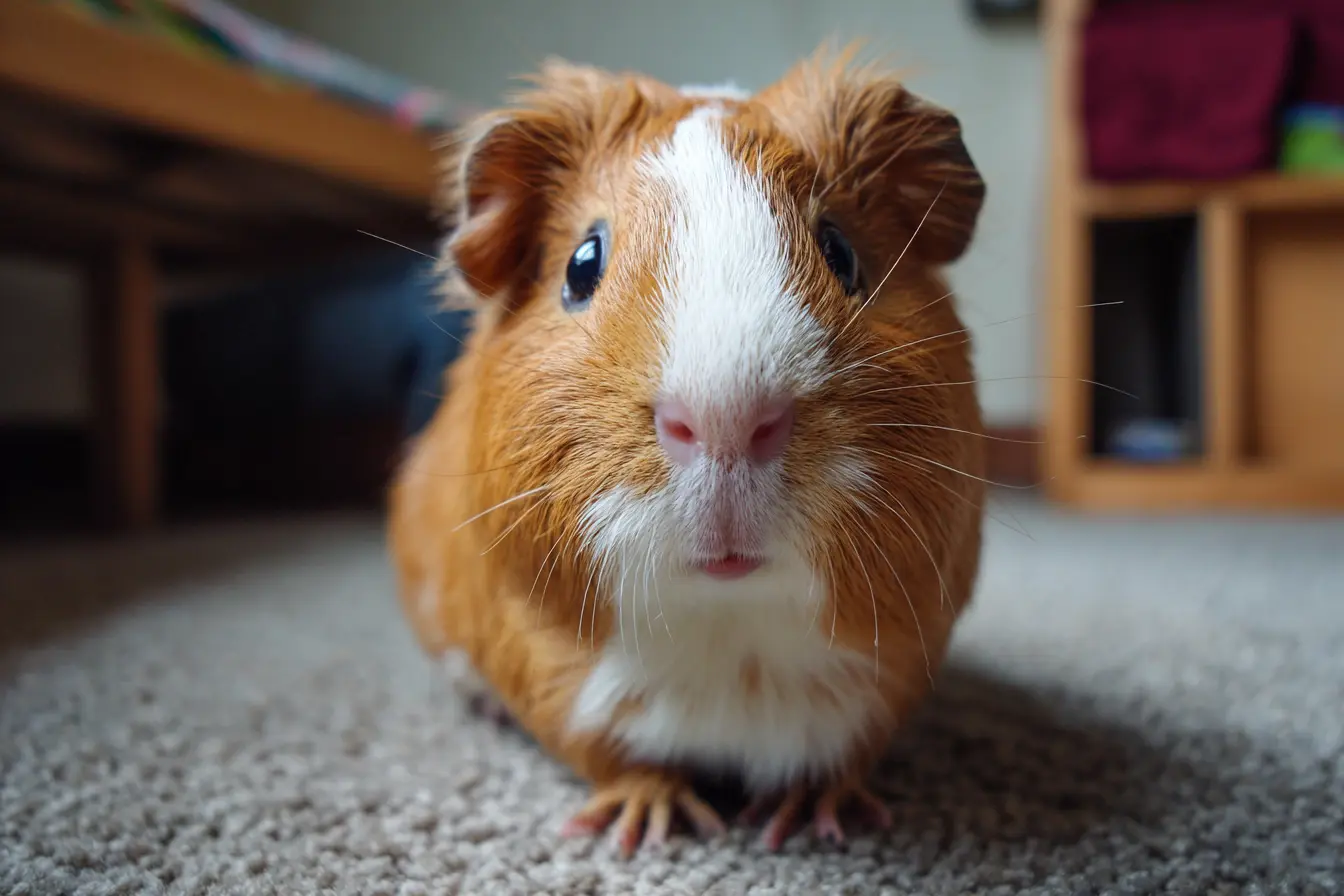
Guinea pigs hide illness well. This guide on guinea pig signs of illness helps you spot problems early so you can get veterinary care fast. Look for changes in appetite, sudden weight loss, low activity, breathing problems, dental trouble, changes in droppings or urine, poor coat or skin, eye or ear issues, pain or trouble moving, and odd behaviour. Vitamin C deficiency causes weakness, swollen joints and bleeding gums. Urgent signs that need a vet now include difficulty breathing, refusing food, severe lethargy, diarrhoea or collapse. Regular weighing and watching daily habits helps protect your guinea pig and supports quick recovery.
More to read

1221 articles
  • Edema in Horses: Causes, Symptoms, Diagnosis, Treatment, and Prevention

    Edema in Horses: Causes, Symptoms, Diagnosis, Treatment, and Prevention

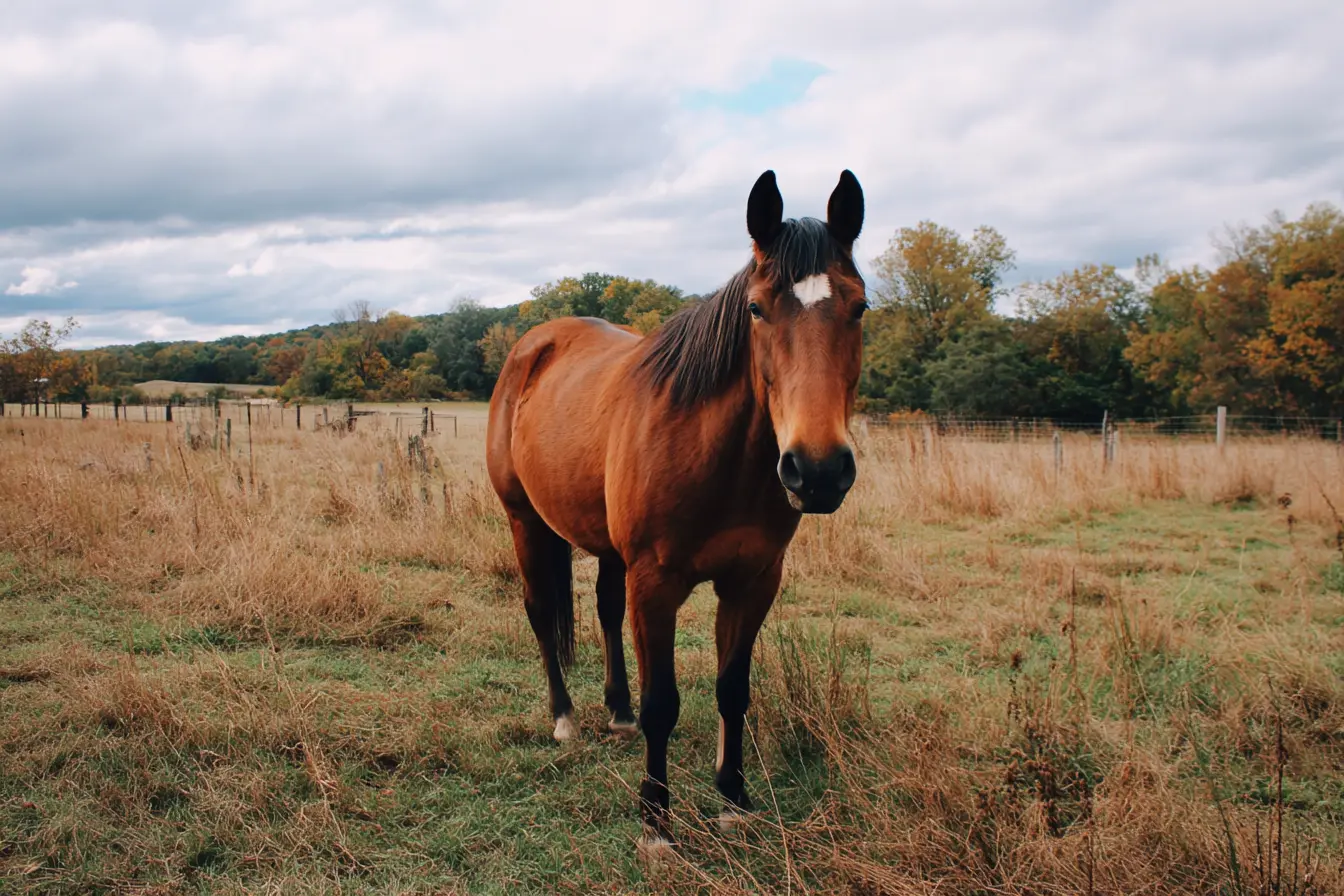
    Oedema in horses is swelling caused by extra fluid in the tissues. It most often affects the lower legs, the underside of the belly, the sheath in males and the udder in mares. Common causes of horse oedema include stocking up from standing still, injury, infection, allergic reactions, poor circulation, low blood protein and lymphatic problems. Signs are soft swollen areas that may pit when pressed, stretched skin, heat, pain, lameness or fever. A vet diagnoses the cause with a physical check and tests such as blood work and ultrasound. Treatment focuses on the cause and may include exercise, cold hosing, anti-inflammatory drugs, antibiotics, correct bandaging and treating underlying disease. To prevent oedema, keep horses moving, feed a balanced diet, control parasites, treat cuts quickly and have regular veterinary checks. Contact your vet quickly if swelling is sudden or severe, is hot or painful, causes lameness, comes with fever or does not improve after a few days.

  • A Complete Guide to Caring for Zwartbles Sheep

    A Complete Guide to Caring for Zwartbles Sheep

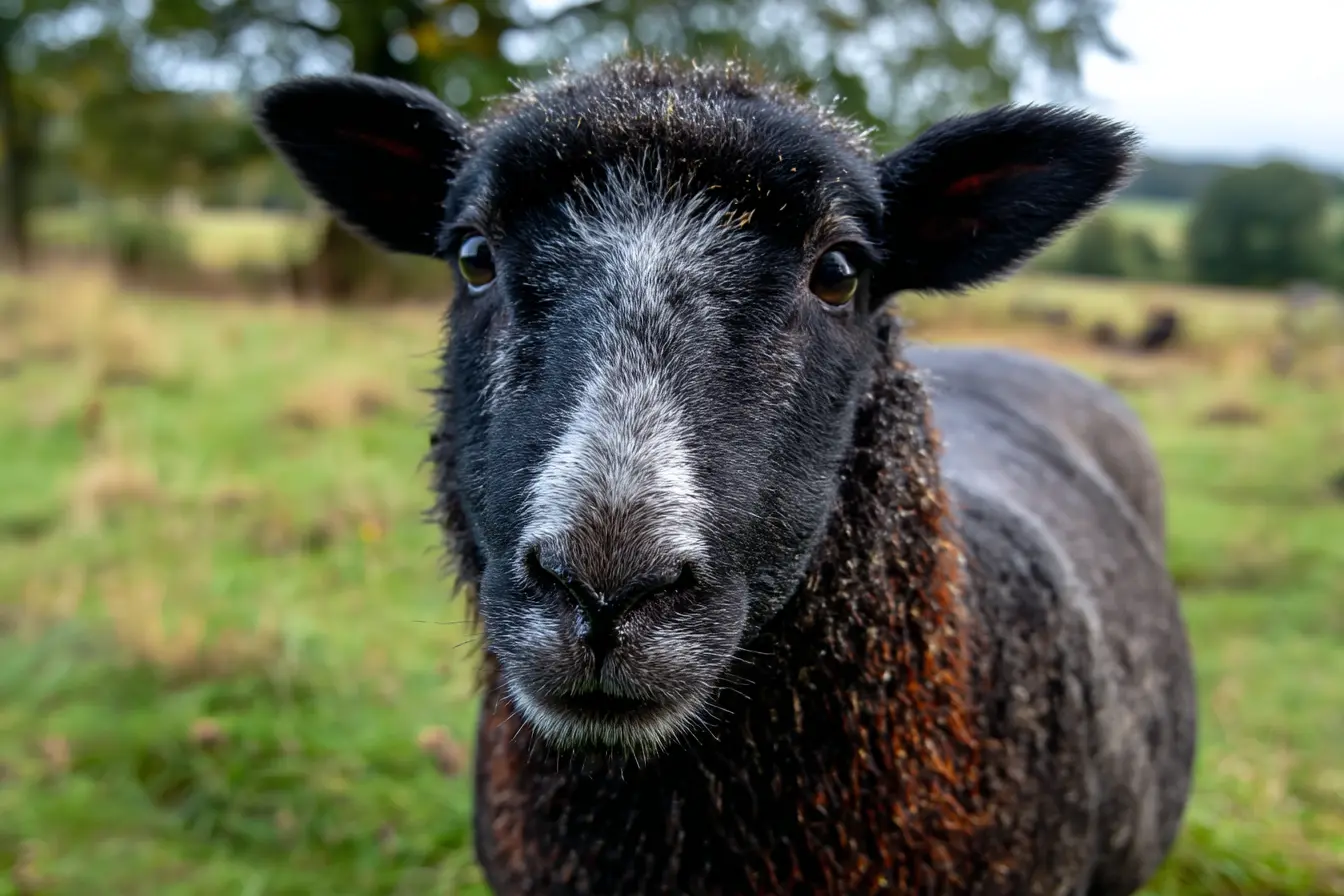
    Zwartbles sheep are a calm, friendly breed from the Netherlands that are now popular across the UK. They have jet black fleece with a white blaze, white socks and a white tail tip. Both rams and ewes are hornless and the breed is large, good-natured and a strong mother. Zwartbles are suited to smallholdings, commercial farms and conservation grazing. Care is simple: good pasture, hay or silage in winter, extra feed for pregnant and milking ewes, and fresh water at all times. Provide simple shelter, routine shearing once a year and basic handling facilities. Work with your vet on vaccinations, use faecal egg counts for worm control, watch for flystrike in warm weather and trim hooves when needed. The fleece is medium length and useful for rugs or craft. This guide covers Zwartbles sheep care, breeding, housing, feeding and health for keepers in the UK.

  • How to Set Up a Terrarium for Arboreal Species

    How to Set Up a Terrarium for Arboreal Species

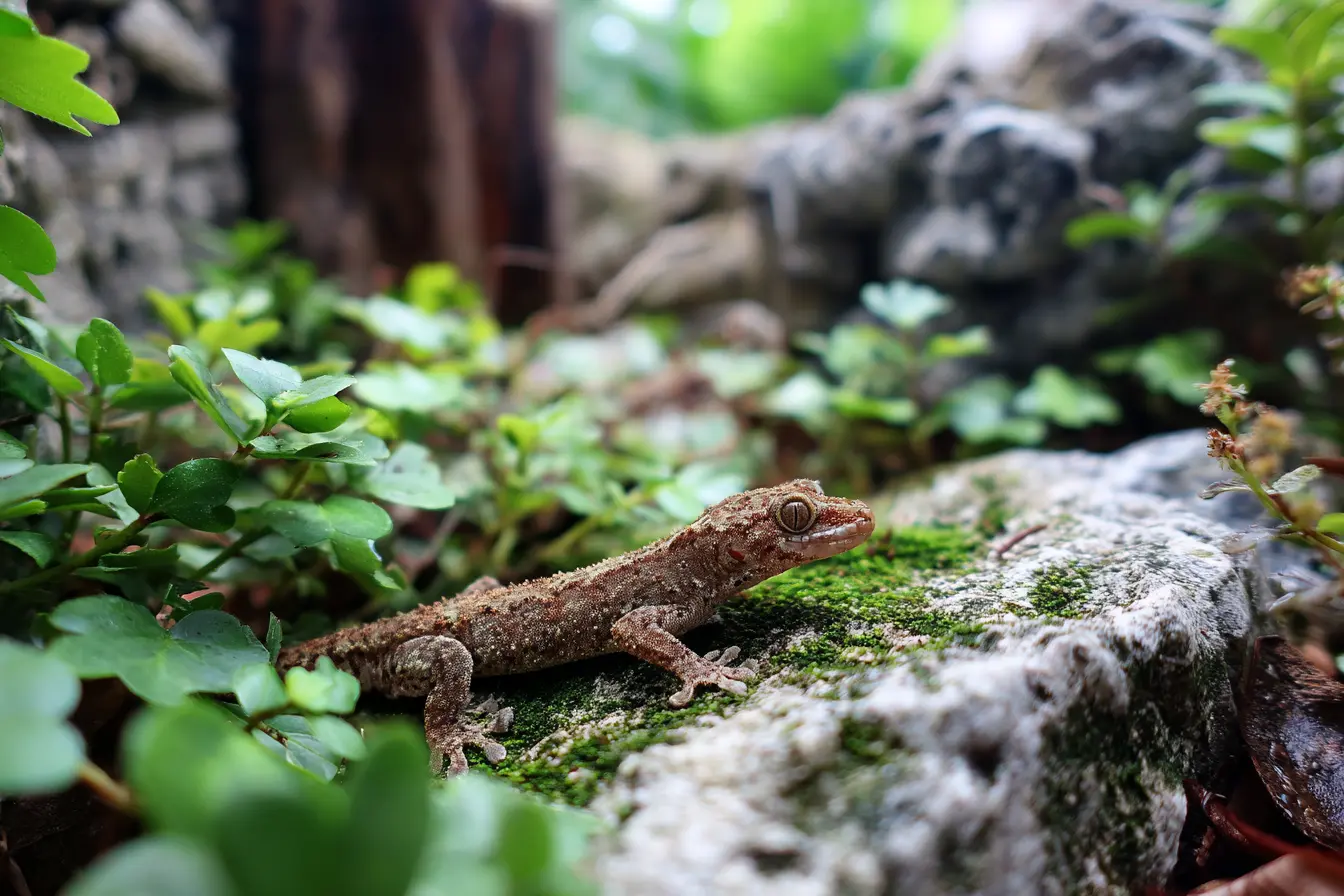
    Arboreal terrarium setup for arboreal reptiles and amphibians like frogs, geckos and anoles. Use a tall, vertical glass or PVC enclosure with good front and top ventilation and plenty of branches, vines and textured backgrounds for climbing and hiding. Create a drainage layer and use moisture-retentive substrates such as coconut fibre, orchid bark and leaf litter, add live plants for cover and humidity, and mist daily or use an automatic mister. Provide warm upper zones and cooler lower zones, shallow water dishes, low-level UVB and safe heat sources, and consider a bioactive setup with springtails and isopods for natural waste breakdown. Check temperature and humidity daily, clean and trim plants regularly, avoid short tanks, overcrowding and unsafe treated wood, and only add animals once the terrarium is fully stable.

  • Everything You Need to Do Before Boarding Your Cat

    Everything You Need to Do Before Boarding Your Cat

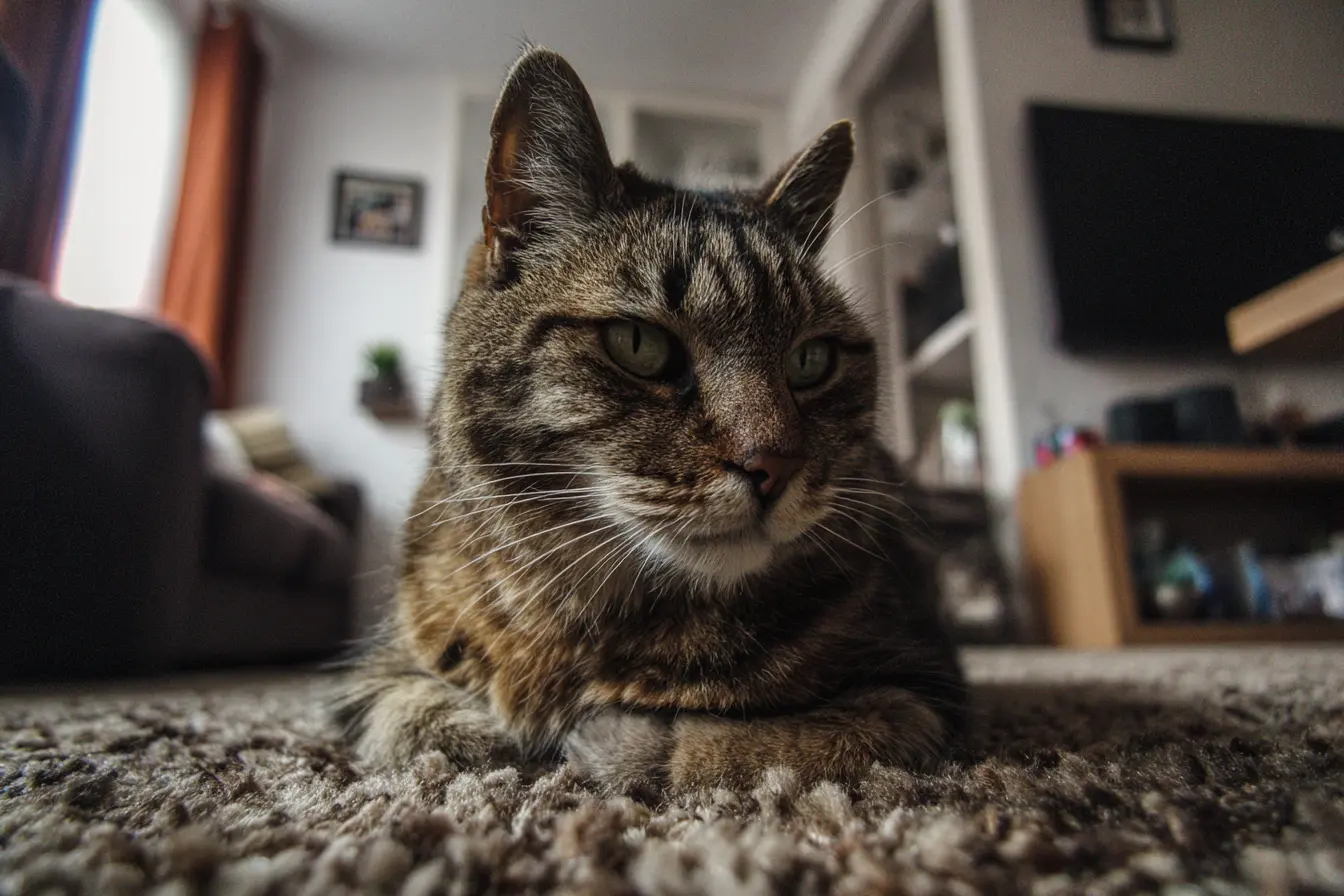
    Guide to preparing your cat for boarding at a cattery. Plan ahead so your cat stays safe and calm while you are away. Choose a clean, secure cattery with kind staff and good reviews. Check vaccinations, flea and worm treatments, and microchip details before you book. Pack your cat’s usual food, favourite blanket and toys, and label everything. Give the cattery clear notes on feeding, medication and behaviour. Let your cat get used to the carrier and stay calm at drop off. After you collect your cat, give them time to settle back home and watch for any signs of illness. These steps help your cat have a safer, less stressful stay in a boarding cattery.

The archive