Section

Aquatics

Explore expert articles on aquatics with Vet Verified.

57 articles

Understanding Mucus Production in Aquarium Fish

Understanding Mucus Production in Aquarium Fish

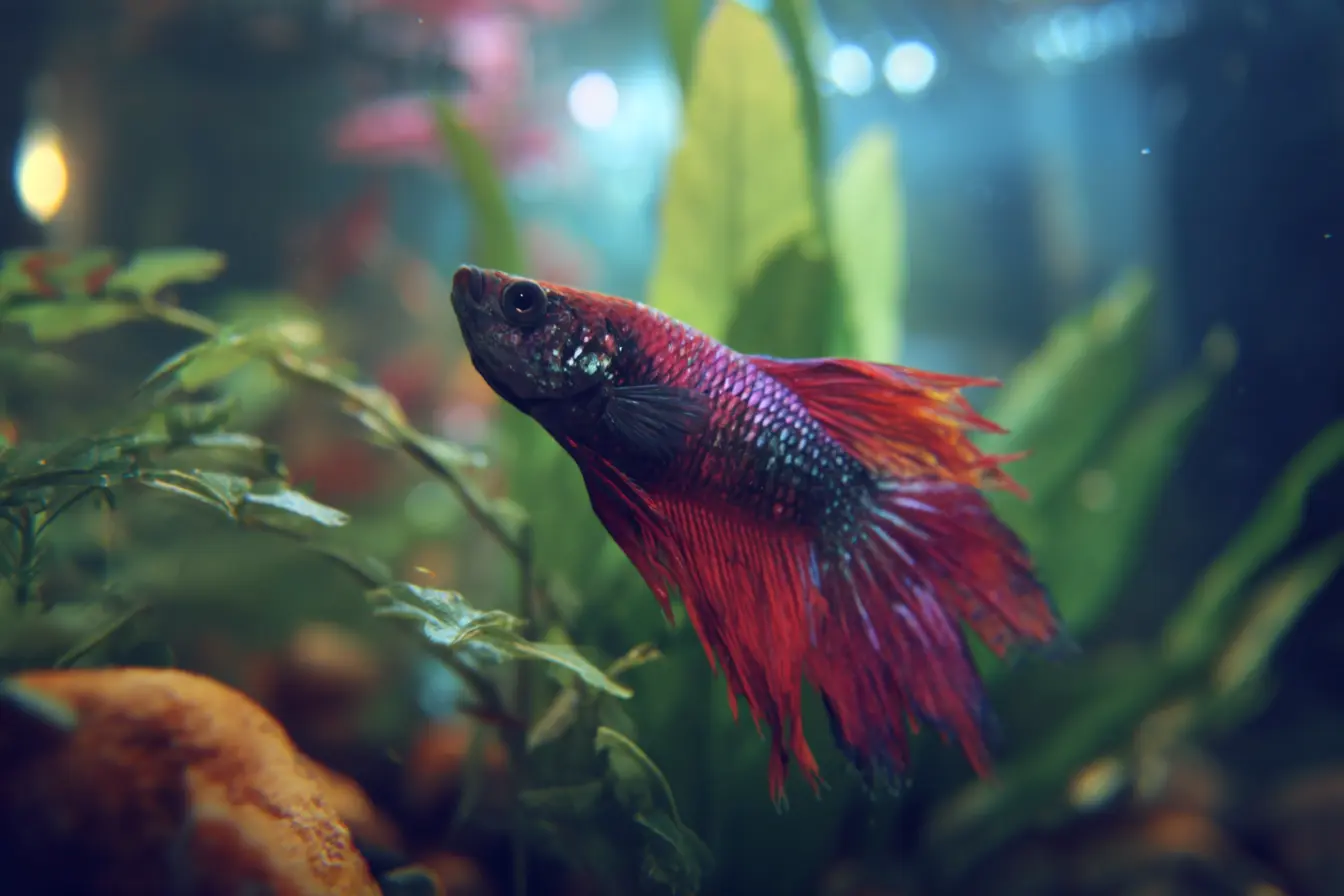
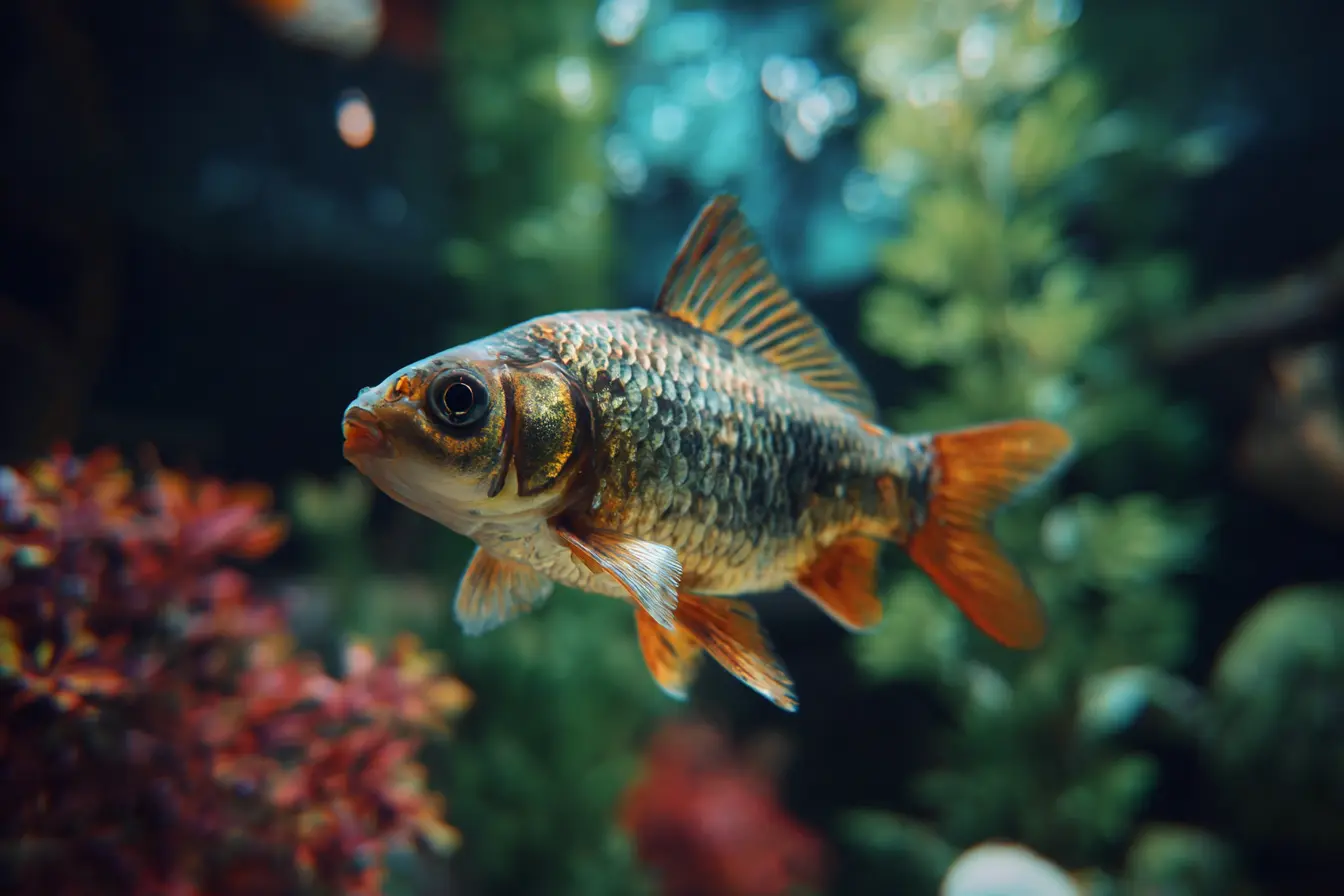
This clear guide explains fish mucus and the slime coat, and what excess mucus means for aquarium fish. A healthy slime coat is thin and clear. Cloudy, thick or stringy mucus usually points to parasites, poor water quality, chemical irritation, stress, injury or infection. Look for flashing, clamped fins, rapid breathing, lethargy, loss of appetite, colour changes or white spots. If you see excess mucus, test ammonia, nitrite, nitrate and pH, do partial water changes with dechlorinated water, increase aeration, remove debris, and watch fish behaviour. Treat parasites or infections based on symptoms, reduce stress by adding hiding places and lowering light, quarantine new fish for 2–4 weeks, use fish safe products, and handle fish with wet hands or nets. Contact an aquatic vet or experienced aquarium specialist if mucus does not improve, many fish are affected or breathing is difficult.
More in Aquatics

  • How to Set Up a Hospital Tank for Sick Fish

    How to Set Up a Hospital Tank for Sick Fish

    A hospital tank is a must-have for aquarium owners. It's used to isolate and treat sick fish, protecting the main tank from disease and medication. This guide covers when to use a hospital tank, the needed equipment like a sponge filter, heater, and hiding spots, and steps for setting it up. Use medication carefully, monitor water quality, and look out for signs of recovery like improved swimming. Once healthy, return fish to the main tank. Clean the hospital tank thoroughly after use. Having a ready-to-use hospital tank boosts fish recovery and keeps your aquarium safe.

  • Understanding Flashing Behaviour in Aquarium Fish

    Understanding Flashing Behaviour in Aquarium Fish

    Flashing in aquarium fish is a sign of irritation or stress. It involves the fish rubbing against surfaces and can point to health or environmental issues. Occasional flashing might be normal, but persistent flashing suggests problems like parasites or poor water quality. Common causes include external parasites, poor water conditions, sudden environmental changes, excess mucus production, and chemical irritants. Symptoms often seen with flashing include clamped fins, rapid breathing, and white spots. To address flashing, test water parameters, observe fish behaviour, improve water quality, and check for parasites. Avoid unnecessary medication as it may worsen the situation. Maintain water quality, quarantine new fish, and avoid sudden changes to prevent flashing. Consult a vet or specialist if problems persist.

  • Understanding and Treating Columnaris in Aquarium Fish

    Understanding and Treating Columnaris in Aquarium Fish

    Columnaris is a common and dangerous bacterial disease in aquarium fish, often mistaken for a fungal infection due to its cotton-like appearance. This guide provides an understanding of columnaris, its causes, symptoms, treatment, and prevention. Columnaris affects stressed or injured fish, especially in warm water environments. It can spread quickly and be fatal, but prompt treatment and good water quality can save affected fish. Key steps include immediate action, isolating sick fish, improving water conditions, and using the right antibacterial medication. Prevent future outbreaks by maintaining clean tanks, avoiding overcrowding, and reducing fish stress.

  • How to Set Up a Quarantine Tank for New Fish

    How to Set Up a Quarantine Tank for New Fish

    A quarantine tank is a crucial tool for aquarium owners to prevent disease and protect fish. This guide outlines the benefits of using a quarantine tank, the necessary equipment, and setup steps. Key components include an appropriately sized tank, sponge filter, heater, thermometer, and minimal lighting. Observing new fish for 2–4 weeks in a quarantine tank can help identify diseases or stress, allowing early treatment and protecting established fish. Regular monitoring of water quality and fish behaviour is vital. Proper acclimation when introducing fish to or from quarantine minimises health risks. Avoid common mistakes like overcrowding and improper cleaning. By maintaining a quarantine tank, fish health and the aquarium's stability are better safeguarded.

The archive

Other sections