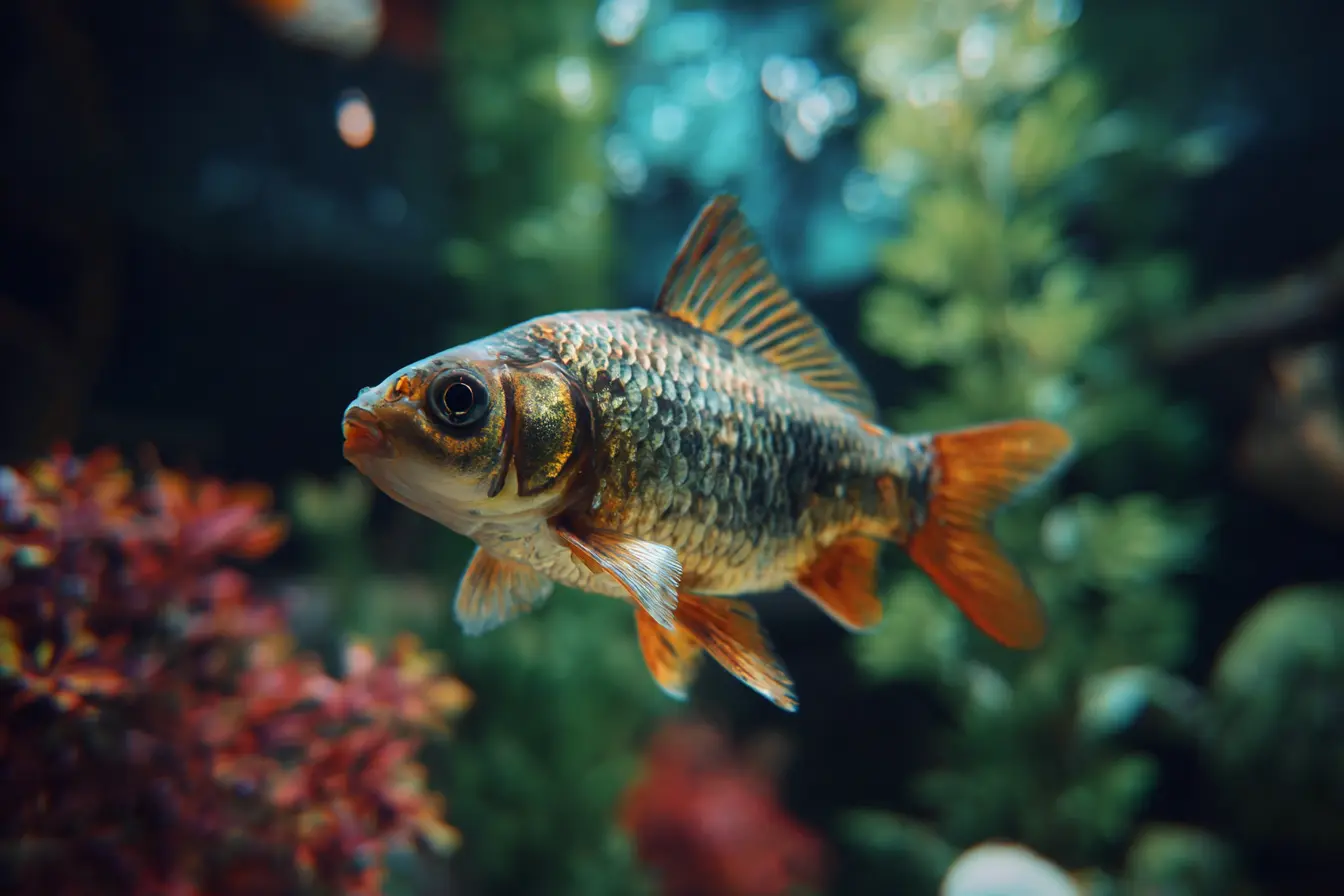
Understanding Flashing Behaviour in Aquarium Fish
Flashing, where a fish suddenly darts or rubs itself against surfaces, is one of the most common early warning signs of irritation or stress in aquarium fish. While an occasional flick may be harmless, repeated or persistent flashing should never be ignored, as it often indicates an underlying health or environmental problem.
This guide explains what flashing is, what causes it, how to identify the underlying issue, and what steps to take to resolve it.
What Is Flashing?
Flashing (also known as flicking or scratching) is when a fish rapidly rubs its body, head, or gills against objects such as rocks, decor, gravel, glass, or plants. The movement is often sudden and forceful.
Flashing is a response to irritation, similar to scratching an itch, and is most commonly linked to parasites or poor water conditions.
Occasional vs Persistent Flashing
- Occasional flashing may occur after water changes or brief environmental changes and can be normal if it stops quickly.
- Persistent flashing especially when accompanied by other symptoms, is a sign that something is wrong.
Frequency, duration, and accompanying signs are key to understanding its cause.
Common Causes of Flashing in Fish
External Parasites
Parasites are the most common cause of flashing. These include:
- Skin flukes
- Gill flukes
- White spot (Ich)
- Velvet disease
- Fish lice
- Anchor worms
Parasites irritate the skin and gills, triggering the fish to rub against surfaces.
Poor Water Quality
Irritating water conditions can cause flashing even in the absence of parasites:
- Ammonia or nitrite present
- High nitrate levels
- Sudden pH changes
- Inadequate filtration
- Poor oxygen levels
Chemical irritation affects the slime coat and gills.
Sudden Environmental Changes
- Large or poorly matched water changes
- Temperature fluctuations
- Changes in salinity (marine tanks)
- New decor or substrate
Fish may flash briefly as they react to changes.
Excess Mucus Production
Fish produce extra slime coat in response to irritation, parasites, or toxins. This excess mucus can itself become irritating.
Skin or Gill Damage
- Minor injuries
- Fin nipping
- Abrasive decor
- Rough substrate
Damaged tissue can cause localised irritation and flashing.
Chemical Irritants
- Chlorine or chloramine exposure
- Medication overdosing
- Residues from cleaning products or aerosols
- Heavy metals
Even small amounts can trigger flashing.
Symptoms Often Seen Alongside Flashing
Flashing rarely occurs alone. Watch for additional signs such as:
- Clamped fins
- Rapid or laboured breathing
- Excess mucus or cloudy skin
- White spots or dusting
- Red or inflamed gills
- Lethargy
- Loss of appetite
- Hiding behaviour
These clues help narrow down the cause.
What to Do If Your Fish Are Flashing
Step 1: Test Water Parameters Immediately
Check:
- Ammonia
- Nitrite
- Nitrate
- pH
- Temperature
Correct any issues promptly with partial water changes using dechlorinated water.
Step 2: Observe Closely
Note:
- Which fish are flashing
- How often it occurs
- Whether gills, body, or head are involved
- Any visible signs of disease
This information is crucial for accurate diagnosis.
Step 3: Improve Water Quality
- Perform a partial water change if needed
- Clean debris from the substrate
- Ensure adequate filtration and aeration
Sometimes flashing resolves once water quality improves.
Step 4: Rule Out Parasites
If flashing continues despite good water quality, parasites are likely. Look for:
- Spots, dusting, or worms
- Gill irritation
- Mucus changes
Appropriate treatment may be required once a parasite is suspected.
Step 5: Avoid Unnecessary Medication
Do not treat blindly. Using the wrong medication can worsen stress and water quality. Identify the most likely cause before treating.
When Flashing Is an Emergency
Flashing requires urgent attention if:
- Fish are gasping or breathing rapidly
- Multiple fish are affected
- Fish stop eating
- Other symptoms progress quickly
In these cases, prompt treatment can be life-saving.
Preventing Flashing Behaviour
Maintain Excellent Water Quality
Regular maintenance and testing are essential.
Quarantine New Fish
Quarantine new arrivals for 2–4 weeks to prevent introducing parasites.
Avoid Sudden Changes
Match temperature and parameters carefully during water changes.
Use Fish-Safe Products Only
Avoid aerosols and chemicals near aquariums.
Choose Appropriate Decor
Smooth surfaces reduce injury and irritation.
When to Seek Professional Advice
Consult an aquatic veterinarian or experienced aquarium specialist if:
- Flashing persists without clear cause
- Treatments fail
- Sensitive or valuable fish are affected
Conclusion
Flashing is a vital early warning sign that should never be ignored. While it may occasionally occur due to minor environmental changes, persistent flashing almost always indicates irritation, parasites, or poor water conditions.
By acting quickly, testing water quality, and identifying the underlying cause, aquarium owners can resolve flashing behaviour and prevent more serious health problems from developing, keeping fish comfortable, healthy, and stress-free.
Vets near you
Speciality vets
- Aquatics vet specialists
- Birds vet specialists
- Camelids vet specialists
- Cats vet specialists
- Cattle vet specialists
- Deer vet specialists
- Dogs vet specialists
- Equines vet specialists
- Exotic vet specialists
- Goats vet specialists
- Pigs vet specialists
- Poultry vet specialists
- Sheep vet specialists
- Small Mammals vet specialists
- Wild vet specialists
Vet facilities
- Accessible by public transport
- Blood testing
- Car park nearby
- Client car park
- Dentistry
- Diagnostic imaging
- Disabled public access
- Flea and worm treatments
- Microchipping
- Mobile services
- Neutering
- Open at weekends
- Out-of-hours service
- Referral interests
- Referrals only
- Street parking outside
- Toilets available
- Vaccinations