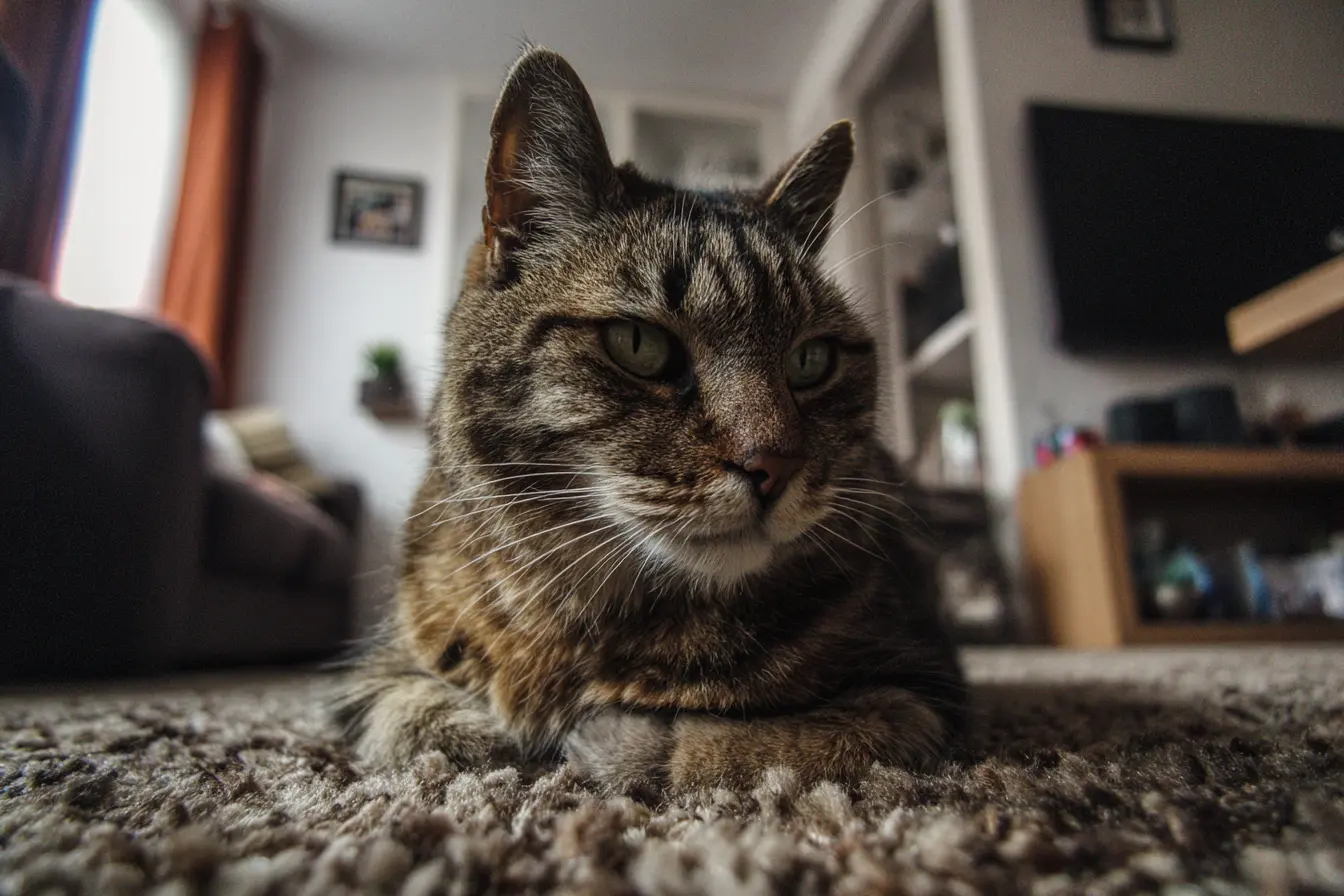
Leaving your cat in a boarding cattery can feel stressful, both for you and your pet. Cats are creatures of habit and often find changes in environment challenging. Proper preparation, however, can make the experience far smoother and less unsettling.
Taking the time to plan ahead ensures your cat stays safe, comfortable and well cared for while you are away.
Choose the Right Cattery
Not all boarding facilities are the same, so selecting the right one is essential.
When researching options, look for:
Clean, secure and well-maintained enclosures
Knowledgeable and attentive staff
Good ventilation and temperature control
Separate areas for different cats
Positive reviews or recommendations
If possible, visit the cattery in advance. This allows you to assess the environment and ask questions about daily routines and care.
Ensure Vaccinations Are Up to Date
Most reputable catteries require proof of vaccinations before accepting your cat.
These typically include protection against:
Feline herpesvirus
Feline calicivirus
Feline panleukopenia
Some may also require feline leukaemia vaccination. Check requirements well in advance, as vaccines need time to become effective.
Arrange Flea and Worm Treatments
Catteries often insist that cats are treated for parasites before arrival.
You should:
Apply a vet-approved flea treatment
Ensure worming treatments are up to date
This protects not only your cat, but also other animals in the facility.
Prepare Identification and Documentation
Clear identification is crucial in case of emergencies.
Make sure you provide:
Up-to-date microchip details
Your contact information
An emergency contact person
Your vet’s details
Many catteries will ask you to complete a form with this information before your cat’s stay.
Pack Familiar Items
Bringing items from home can help reduce stress and provide comfort.
Consider packing:
Your cat’s usual food
A favourite blanket or bedding
A familiar toy
Items that carry your scent
Familiar smells can make a new environment feel less intimidating.
Maintain a Consistent Diet
Sudden dietary changes can upset your cat’s stomach.
To avoid this:
Provide enough of your cat’s usual food for the entire stay
Include clear feeding instructions
Inform staff of any allergies or sensitivities
Consistency helps maintain both physical health and emotional comfort.
Share Detailed Care Instructions
Every cat has unique preferences and routines. Communicating these clearly is essential.
Include information about:
Feeding schedule and portion sizes
Medication requirements
Behavioural traits or quirks
Likes and dislikes
Any medical history
The more detail you provide, the better the cattery can care for your cat.
Check Health Before Boarding
Your cat should be in good health before entering a boarding environment.
Before the stay:
Monitor for signs of illness
Ensure vaccinations and treatments are up to date
Visit the vet if you have any concerns
Boarding a sick cat can put both your pet and others at risk.
Prepare Your Cat Emotionally
While you cannot fully explain what is happening, you can help reduce stress beforehand.
Helpful steps include:
Keeping routines consistent before departure
Allowing your cat to become comfortable with their carrier
Using calming sprays or pheromone products if recommended
A calm transition can make a noticeable difference.
Label Everything Clearly
Any items you bring should be clearly labelled to avoid confusion.
This includes:
Food containers
Bedding
Toys
Medication
Clear labelling ensures your cat receives the correct items during their stay.
Confirm Booking Details
Before drop-off, double-check all arrangements.
Make sure you:
Confirm dates and times
Review vaccination requirements
Understand the cattery’s policies
Provide payment details if needed
Being organised helps avoid last-minute stress.
On the Day of Boarding
The day you drop your cat off can influence how they settle.
Try to:
Stay calm and relaxed
Avoid rushing or showing anxiety
Keep goodbyes brief
Cats are sensitive to your emotions, so a calm approach can help them feel more secure.
After You Return
Once your cat comes home, they may need time to readjust.
You may notice:
Increased clinginess or withdrawal
Changes in appetite
Extra grooming or sleeping
Give them space, reintroduce their normal routine and monitor for any signs of illness.
Conclusion
Preparing your cat for boarding involves more than simply booking a space. It requires thoughtful planning, clear communication and attention to your cat’s physical and emotional needs.
By choosing a reputable cattery, keeping vaccinations and treatments up to date, and providing familiar comforts, you can help ensure your cat has a safe and manageable experience while you are away.
The more prepared you are, the more confident you can feel leaving your cat in someone else’s care.
Quick questions
- What should I know about boarding?
- Guide to preparing your cat for boarding at a cattery. Plan ahead so your cat stays safe and calm while you are away. Choose a clean, secure cattery with kind staff and good reviews. Check vaccinations, flea and worm treatments,. Vet Verified can help you compare UK veterinary practices by location, species, services and opening hours before you call.
- When should I contact a vet about boarding?
- Contact a veterinary practice if your pet seems unwell, symptoms are getting worse, you are unsure what to do, or the situation may be urgent. Vet Verified helps you compare practice details, but a vet should advise on your pet's current care.
- Can Vet Verified help me find cat vets?
- Yes. Use Vet Verified to compare cat vets across the UK, then check practice profiles and call directly to confirm current availability.
Find a vet
Need a vet for this?
Use Vet Verified to compare UK veterinary practices that match this topic, then call the practice directly to confirm current services and availability.
Search by species