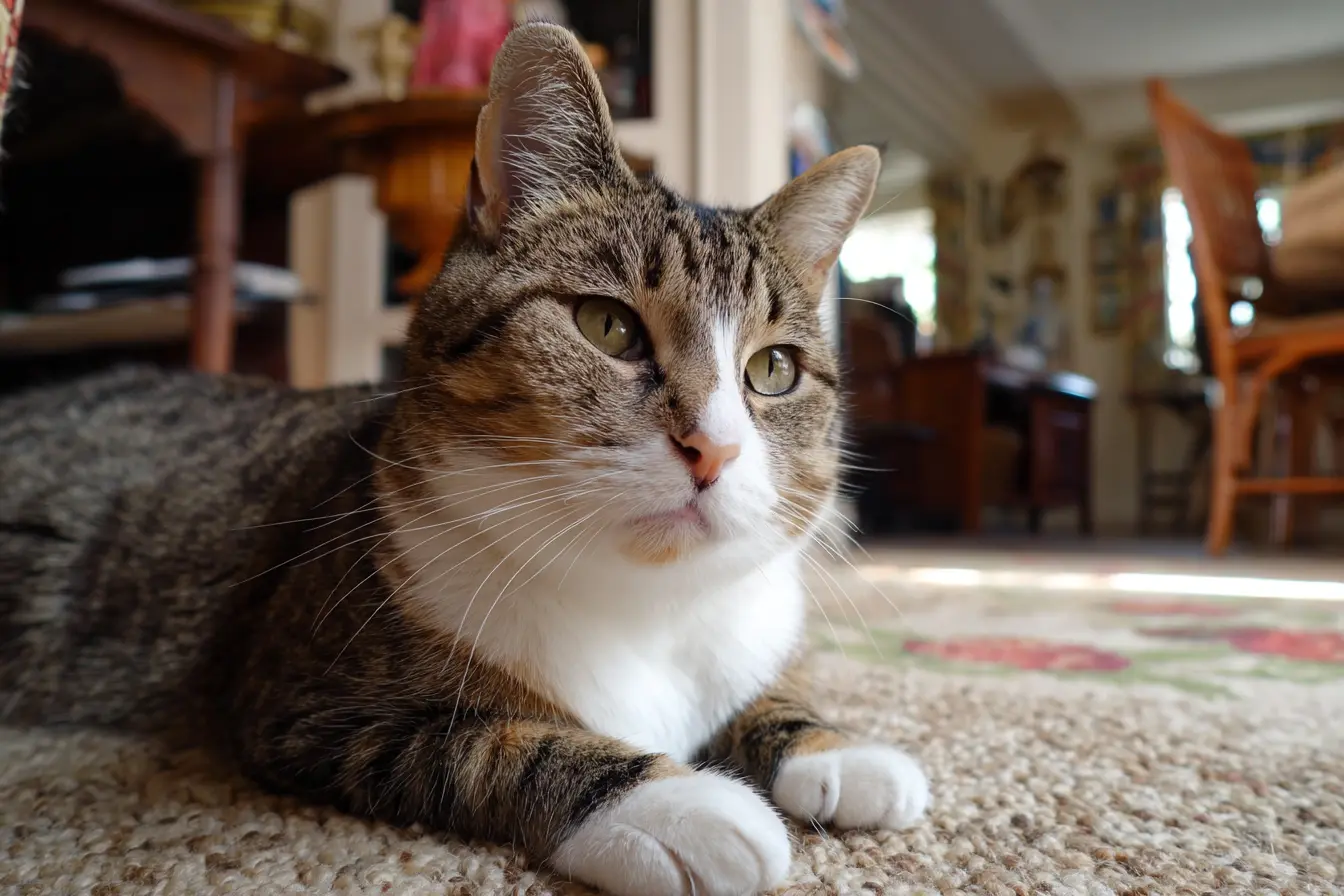
Do Indoor Cats Get Fleas?
It is a common belief that indoor cats are protected from fleas simply because they never go outside. While staying indoors does reduce the risk, it does not eliminate it entirely.
Fleas are highly adaptable parasites that can find their way into your home through a variety of unexpected routes. Understanding how this happens can help you take the right steps to prevent and manage infestations.
How Fleas Get Into the Home
Even if your cat never leaves the house, fleas can still be introduced into the environment.
Common ways fleas enter include:
- Being carried in on clothing or shoes
- Hitching a ride on other pets that go outdoors
- Entering via visiting animals such as dogs or rodents
- Transferring from second-hand furniture or carpets
- Moving through shared spaces in flats or multi-occupancy buildings
Flea eggs, larvae and pupae are tiny and difficult to detect, making it easy for them to spread unnoticed.
The Flea Life Cycle
Understanding the flea life cycle explains why infestations can occur so easily.
Fleas go through four stages:
- Egg
- Larva
- Pupa
- Adult
Adult fleas live on your cat, but the majority of the infestation exists in the environment as eggs, larvae and pupae. These can remain dormant for weeks or even months, waiting for the right conditions to hatch.
This means your indoor cat can become infested even if there has been no recent outdoor exposure.
Signs Your Indoor Cat Has Fleas
Because fleas are small and fast-moving, they are not always immediately visible. However, there are several signs to look out for.
These include:
- Excessive scratching or grooming
- Small black specks in the fur (flea dirt)
- Red or irritated skin
- Hair loss in patches
- Restlessness or discomfort
In more severe cases, cats may develop flea allergy dermatitis, which can cause intense itching and skin inflammation.
Why Indoor Cats Are Still at Risk
Indoor environments can actually be ideal for fleas.
Warm temperatures, soft furnishings and consistent conditions allow fleas to thrive year-round. Unlike outdoor environments, there are fewer natural disruptions to their life cycle.
Additionally, because indoor cats are not always routinely treated for parasites, an infestation may go unnoticed for longer.
Preventing Fleas in Indoor Cats
Prevention is the most effective way to protect your cat and your home.
Helpful measures include:
- Using regular flea treatments recommended by your vet
- Treating all pets in the household consistently
- Vacuuming carpets and upholstery frequently
- Washing bedding at high temperatures
- Checking your cat’s coat regularly
Even if your cat is strictly indoors, preventative treatment is often still advised.
What to Do If Your Indoor Cat Gets Fleas
If you discover fleas, it is important to act quickly.
Effective treatment involves:
- Applying a vet-approved flea treatment to your cat
- Treating all other pets in the home
- Thoroughly cleaning and vacuuming your living space
- Using household flea sprays if necessary
Because much of the flea population lives in the environment, treating your cat alone is not enough.
Are Fleas Dangerous?
Fleas are more than just a nuisance. They can cause:
- Skin irritation and allergic reactions
- Anaemia in severe infestations, especially in kittens
- Transmission of parasites such as tapeworms
Prompt treatment helps prevent these complications and keeps your cat comfortable.
Conclusion
Indoor cats are not immune to fleas. While their risk may be lower than outdoor cats, fleas can still find their way into your home and establish an infestation.
By understanding how fleas spread and taking preventative steps, you can reduce the risk and ensure your cat remains healthy and comfortable.
Regular checks, good hygiene and appropriate flea control are the best ways to keep both your indoor cat and your home flea-free.
Vets near you
Speciality vets
- Aquatics vet specialists
- Birds vet specialists
- Camelids vet specialists
- Cats vet specialists
- Cattle vet specialists
- Deer vet specialists
- Dogs vet specialists
- Equines vet specialists
- Exotic vet specialists
- Goats vet specialists
- Pigs vet specialists
- Poultry vet specialists
- Sheep vet specialists
- Small Mammals vet specialists
- Wild vet specialists
Vet facilities
- Accessible by public transport
- Blood testing
- Car park nearby
- Client car park
- Dentistry
- Diagnostic imaging
- Disabled public access
- Flea and worm treatments
- Microchipping
- Mobile services
- Neutering
- Open at weekends
- Out-of-hours service
- Referral interests
- Referrals only
- Street parking outside
- Toilets available
- Vaccinations