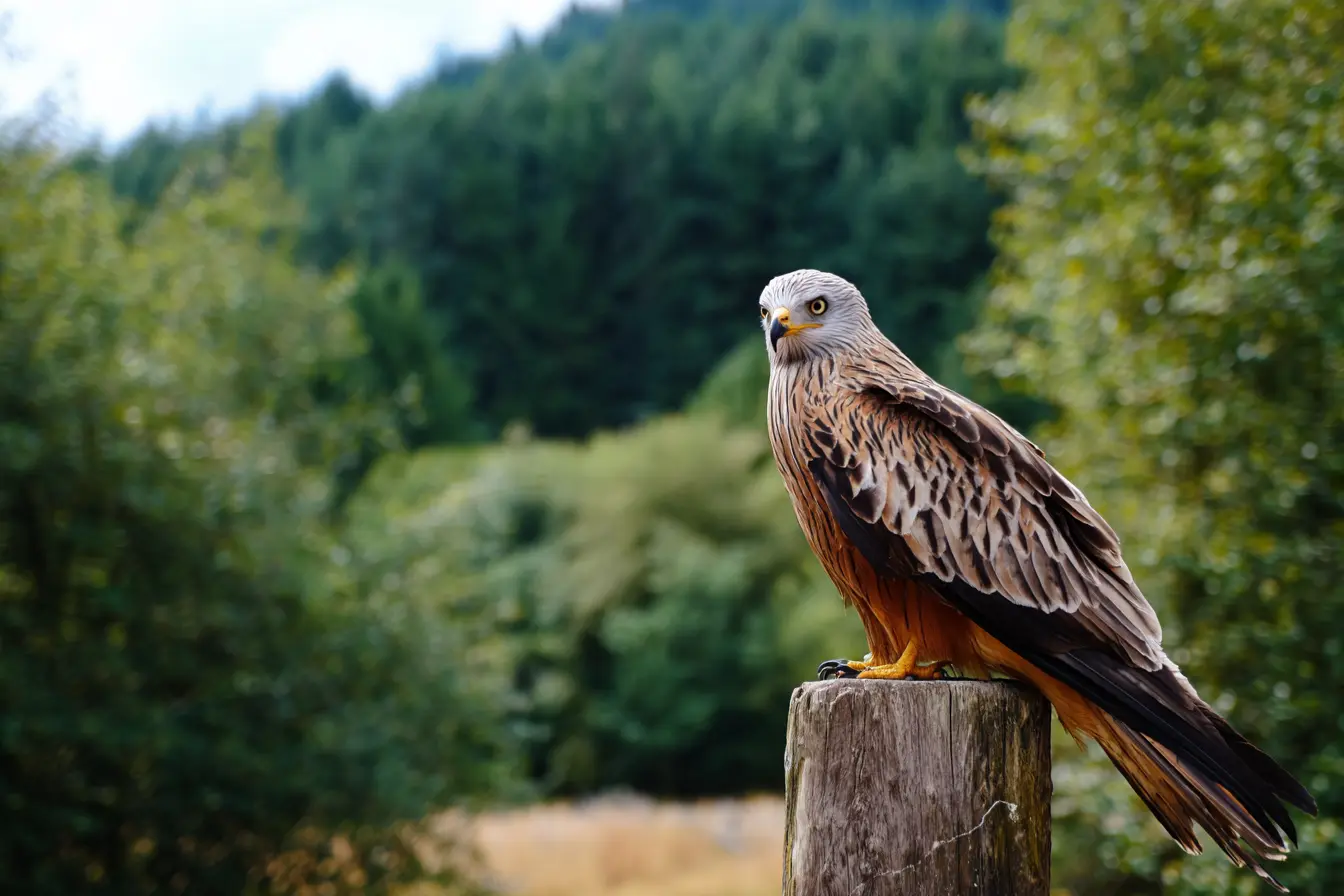
The Complete Guide to Creance Training in Falconry
Creance training is a vital stage in preparing a bird of prey for free flight. It allows falconers to build trust, strengthen recall, and develop a bird’s flight muscles while still maintaining control. The creance itself is a long, lightweight line attached to the bird’s jesses, giving it space to fly but preventing escape. This guide covers everything you need to know to start creance training safely and effectively.
What Is a Creance?
A creance is a strong, lightweight cord (usually 20–50 metres long) used in falconry to tether a bird during early recall training. It is:
- Long enough to allow the bird to fly and glide.
- Light enough not to interfere with flight.
- Strong enough to prevent breakage if the bird bates or pulls.
Purpose of Creance Training
- Safety: Prevents a fly-off before recall is reliable.
- Recall Training: Reinforces returning to the glove or lure for food reward.
- Fitness: Helps strengthen flight muscles before free flight.
- Confidence Building: Allows the falconer and bird to gain trust in each other.
Equipment Needed
- Creance Line: A lightweight, non-stretch cord of appropriate length.
- Swivel: Prevents the line from tangling as the bird moves.
- Jesses and Anklets: Attached to the bird’s legs for secure handling.
- Glove: Thick leather gauntlet to protect the handler’s hand.
- Lure or Food Reward: Used to encourage recall and reward success.
- Scales: For monitoring the bird’s weight daily—essential in all stages of training.
Preparing for Creance Training
- Establish Manning First: The bird should be comfortable on the glove, eating in the presence of the falconer, and accepting handling calmly.
- Set Flying Weight: Ensure the bird is at a responsive flying weight—not overfed but not weak.
- Choose the Right Location: Open, quiet fields without trees, wires, or heavy cover are best.
- Check Equipment: Ensure the creance, jesses, and swivel are in perfect condition.
Steps in Creance Training
- Short Recall
- Place the bird a few feet from the glove.
- Call with a whistle or voice cue.
- Reward immediately when the bird returns.
- Increase Distance
- Gradually lengthen the creance, calling from 5m, 10m, then 20m or more.
- Always reward consistent recall.
- Introduce the Lure (for falcons)
- Swing the lure to mimic prey.
- Encourage the bird to strike, then reward with food.
- Builds association between lure, recall, and feeding.
- Progress to Longer Flights
- Allow the bird to make stronger flights across the full creance.
- Practise until recall is instant and consistent.
- Transition to Free Flight
- Only once recall is reliable and the bird’s fitness is adequate should the creance be removed.
- Begin free flights in safe, open areas with telemetry fitted.
Tips for Success
- Be Patient: Progress at the bird’s pace; never rush to free flight.
- Consistency is Key: Train at the same time each day with the same cues.
- Positive Reinforcement: Always reward returns with food.
- End on a Success: Finish each session with a successful recall.
Common Mistakes to Avoid
- Skipping Creance Training – Flying without it risks losing the bird.
- Using Too Short a Line – The bird won’t build proper fitness.
- Overfeeding Before Training – A full bird won’t be motivated to return.
- Poor Environment – Trees, roads, or wires can endanger the bird if it flies off course.
- Rushing to Free Flight – Leads to unreliability and possible fly-offs.
Conclusion
Creance training is an essential step in falconry, bridging the gap between early manning and free flight. It provides safety, builds trust, and develops the bird’s recall and fitness. With patience, consistency, and proper equipment, you’ll create a strong foundation for flying your bird with confidence—ensuring both its welfare and your peace of mind.
Vets near you
Speciality vets
- Aquatics vet specialists
- Birds vet specialists
- Camelids vet specialists
- Cats vet specialists
- Cattle vet specialists
- Deer vet specialists
- Dogs vet specialists
- Equines vet specialists
- Exotic vet specialists
- Goats vet specialists
- Pigs vet specialists
- Poultry vet specialists
- Sheep vet specialists
- Small Mammals vet specialists
- Wild vet specialists
Vet facilities
- Accessible by public transport
- Blood testing
- Car park nearby
- Client car park
- Dentistry
- Diagnostic imaging
- Disabled public access
- Flea and worm treatments
- Microchipping
- Mobile services
- Neutering
- Open at weekends
- Out-of-hours service
- Referral interests
- Referrals only
- Street parking outside
- Toilets available
- Vaccinations