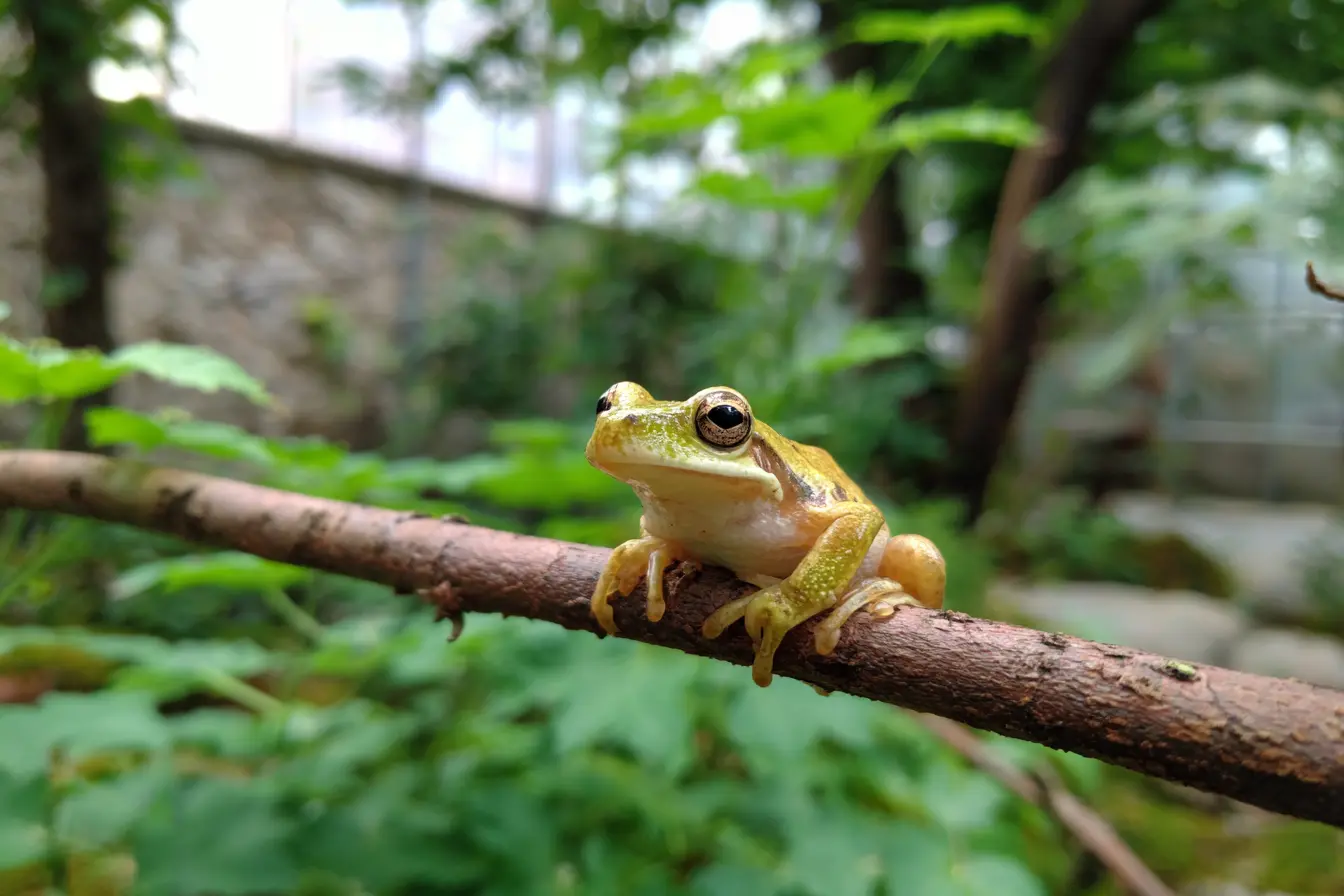
The African reed frog (Hyperolius spp.) is one of the most colorful and enchanting groups of amphibians found across sub-Saharan Africa. Famous for their brilliant colors, agile climbing, and distinctive calls, reed frogs inhabit a variety of wetlands and grassland environments. They are small, active, and visually stunning, making them an increasingly popular choice among amphibian enthusiasts.
This guide explores the care, biology, and behavior of the African reed frog, helping you create an environment where these tiny jewels can thrive.
Physical Characteristics
Size
- Adult reed frogs are small, typically measuring 2–4 cm (0.8–1.6 inches) in length.
- Males are smaller and more slender, while females are usually larger and rounder-bodied.
Lifespan
- In captivity, African reed frogs can live for 5–8 years with proper care.
Colouration and Skin Texture
- Reed frogs display an extraordinary range of colors, from bright green and yellow to orange, red, and even blue.
- Many species can change color depending on mood, temperature, or light conditions.
- Their skin is smooth and slightly glossy, helping to prevent water loss in warm climates.
- Some species feature bold patterns or spots, while others have a uniform, vivid hue.
Sexual Dimorphism
- Males possess a distinct vocal sac beneath the throat for calling.
- Females tend to be larger and more brightly coloured.
- During the breeding season, males often exhibit enhanced colouration.
Natural Range and Habitat
African reed frogs inhabit tropical and subtropical regions throughout sub-Saharan Africa. They are found in swamps, ponds, marshes, and the edges of slow-moving water bodies surrounded by dense vegetation.
They are primarily arboreal, spending much of their time perched on reeds, grasses, and low shrubs near water. Their adhesive toe pads allow them to cling to smooth surfaces and vegetation with ease.
Legal and Ethical Considerations
African reed frogs are not endangered, but some species are subject to export regulations due to habitat loss and environmental pressures. Always ensure that frogs are captive-bred, not wild-caught. Captive-bred individuals are healthier, better adapted to captivity, and help reduce pressure on natural populations.
Housing and Enclosure Setup
Reed frogs require a humid, well-planted terrarium that mimics their natural wetland environment. A vertical or semi-vertical enclosure works best since they spend much of their time climbing.
Enclosure Type
- A 45 × 45 × 60 cm (18 × 18 × 24 inch) terrarium suits a small group.
- A glass enclosure with good ventilation and a secure lid is ideal to maintain humidity and prevent escape.
- Vertical space and climbing opportunities are essential.
Substrate
- Use a moisture-retaining substrate such as coconut fibre, sphagnum moss, or a mix of soil and leaf litter.
- Add a drainage layer of pebbles or clay balls at the bottom to prevent waterlogging.
- Keep the substrate damp but not soaked.
Decor and Hides
- Provide live or artificial plants, branches, and vines for climbing and hiding.
- Include broad-leaved plants such as pothos or philodendron, which offer perching and calling sites.
- A shallow water dish or small water feature should always be available.
Temperature and Humidity
- Temperature: 24–28°C (75–82°F) during the day, dropping slightly at night.
- Humidity: Maintain at 70–90%, misting twice daily to keep conditions moist.
- Ensure good airflow to prevent stagnant air and mould growth.
Lighting
- A low-level UVB bulb (2–5%) is beneficial for health and calcium metabolism.
- Provide a 12-hour light–dark cycle.
- Naturalistic lighting enhances colour and encourages natural behaviour.
Diet and Feeding
Reed frogs are insectivorous, feeding on a variety of small invertebrates. In captivity, they require a steady supply of live prey appropriate to their small size.
Suitable Food Items
- Fruit flies (Drosophila hydei and melanogaster)
- Pinhead or small crickets
- Springtails
- Small roaches
- Black soldier fly larvae
- Occasional waxworms or small mealworms (as treats)
Feeding Schedule
- Feed juveniles daily with small prey.
- Adults can be fed every other day.
- Offer as many insects as they will consume in about 10 minutes.
Supplementation
- Dust prey with calcium powder two to three times per week.
- Use a multivitamin supplement once weekly to ensure balanced nutrition.
Behaviour and Handling
General Behaviour
- African reed frogs are nocturnal and most active after dusk.
- Males call loudly, especially during warm, humid nights, using a series of chirps or trills.
- They are social and can be kept in small groups, though multiple males may call competitively.
- They are agile climbers and prefer to stay above the ground, often clinging to vertical surfaces.
Handling
- Avoid handling unless necessary, as their skin is delicate and sensitive to oils and chemicals.
- If handling is required, use clean, wet hands or powder-free gloves.
- These frogs are best enjoyed as display animals.
Health and Common Problems
Common Health Issues
- Bacterial and fungal infections from poor hygiene or stagnant conditions.
- Skin problems from low humidity or unclean substrate.
- Nutritional deficiencies from an unbalanced diet.
- Stress from excessive noise, handling, or overcrowding.
Preventative Care
- Maintain stable humidity and temperature levels.
- Clean the enclosure regularly and replace water daily.
- Provide a varied diet supplemented with vitamins and calcium.
- Avoid housing them with other amphibian species.
Breeding the African Reed Frog
Breeding in captivity can be achieved with patience and proper environmental triggers.
Breeding Triggers
- Simulate the rainy season by increasing misting and slightly raising humidity.
- Provide a shallow pool or water area for egg-laying.
- Males will begin to call and compete for females’ attention.
Reproduction
- Amplexus occurs with the male clasping the female from behind.
- Females lay eggs on submerged vegetation or smooth surfaces near the water.
- Each clutch contains 50–200 eggs depending on the species.
Tadpole Care
- Eggs hatch in 2–4 days.
- Tadpoles are aquatic and should be kept in clean, shallow water.
- Feed them finely powdered spirulina, fish flakes, or specialised tadpole food.
- Metamorphosis occurs after 6–10 weeks, depending on temperature and diet.
Conservation Notes
While most reed frog species are common, some local populations are threatened by habitat destruction, pollution, and climate change. Wetland conservation is essential to protect these amphibians and their ecosystems.
Captive breeding programs and responsible pet ownership play an important role in promoting awareness and reducing wild collection.
Conclusion
The African reed frog is a dazzling and active amphibian that brings the vibrancy of Africa’s wetlands into the home terrarium. Its small size, stunning colouration, and lively nocturnal behaviour make it an excellent choice for enthusiasts who enjoy observing natural displays rather than handling their pets.
By maintaining warm, humid conditions, providing climbing opportunities, and offering a diverse diet, you can keep these miniature tree dwellers healthy and thriving. The African reed frog’s adaptability and charm make it a wonderful introduction to the world of arboreal amphibians.
Quick questions
- What should I know about african reed frog?
- The African reed frog is a colourful and lively amphibian from sub-Saharan Africa. Known for their vibrant colours and distinct calls, these frogs thrive in wetland and grassland environments. They are small, with males sporting. Vet Verified can help you compare UK veterinary practices by location, species, services and opening hours before you call.
- When should I contact a vet about african reed frog?
- Contact a veterinary practice if your pet seems unwell, symptoms are getting worse, you are unsure what to do, or the situation may be urgent. Vet Verified helps you compare practice details, but a vet should advise on your pet's current care.
- Can Vet Verified help me find exotic vets?
- Yes. Use Vet Verified to compare exotic vets across the UK, then check practice profiles and call directly to confirm current availability.
Find a vet
Need a vet for this?
Use Vet Verified to compare UK veterinary practices that match this topic, then call the practice directly to confirm current services and availability.