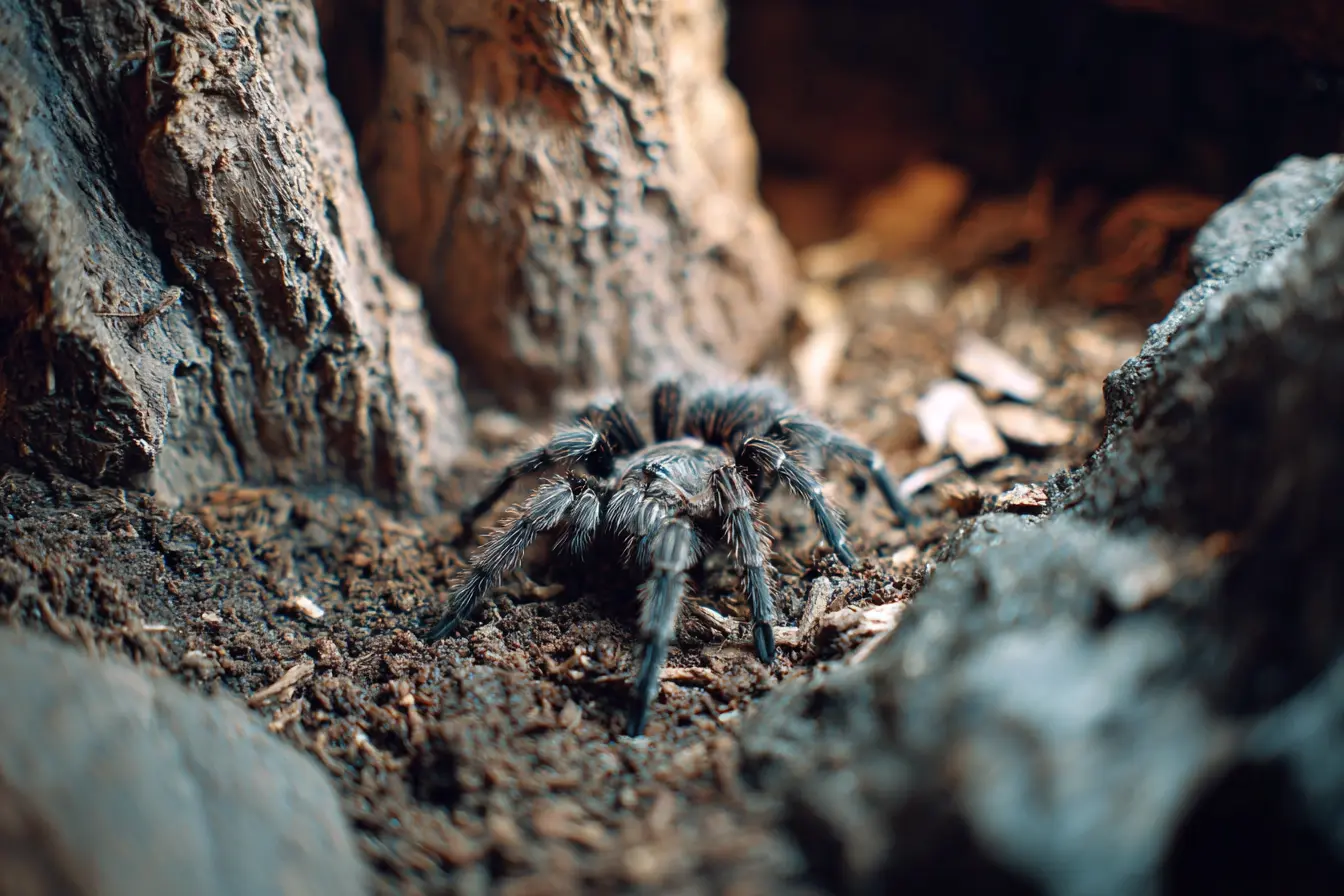
The Asian Chevron tarantula (Ornithoctonus aureotibialis) is a fast-growing, fossorial (burrowing) species native to Southeast Asia. Known for its striking chevron leg markings and defensive temperament, this species is best suited to intermediate or advanced tarantula keepers. If you're looking for a bold and fascinating spider to add to your collection, the Asian Chevron offers a rewarding—though occasionally challenging—experience. This guide provides a comprehensive overview of how to house, feed, and care for your Asian Chevron tarantula.
Why Choose an Asian Chevron Tarantula?
Hailing from Thailand and surrounding regions, the Asian Chevron thrives in a warm and humid environment. While not recommended for beginners due to its defensive nature and speed, it offers unique qualities:
- Beautiful Markings: Their namesake "chevron" patterns on the legs and subtle golden hues give them a distinctive appearance.
- Burrowing Behaviour: Their fossorial tendencies make for fascinating enclosure setups and behaviour to observe.
- Fast Growers: They grow quickly and are relatively hardy, making them satisfying to raise from slings to adults.
- Low Maintenance: Once established in their burrow, they require minimal disturbance.
Housing Your Asian Chevron Tarantula
Enclosure
As a burrowing species, the Asian Chevron requires a deep substrate and horizontal space for burrow development.
- Size: A 30x30x30 cm enclosure is ideal for adults, with a larger footprint being beneficial.
- Substrate: Provide 15–20 cm of compactable substrate such as coco fibre, topsoil (chemical-free), or a peat-soil mix to support burrowing.
- Ventilation: Moderate ventilation is important to prevent mould while maintaining humidity.
Decor and Hiding Spots
- Burrow-Friendly Layout: Create starter burrows or partial tunnels with cork bark or curved wood.
- Minimal Decorations: Leave plenty of floor space for the tarantula to dig. Plants and clutter can disturb the burrow.
Temperature and Humidity
The tropical conditions of their native habitat should be mimicked closely:
- Temperature: Maintain 24–28°C consistently. Use a heat mat on the side if needed, but ensure temperatures don’t fluctuate dramatically.
- Humidity: Aim for 70–80% humidity. Keep the substrate slightly damp (not wet) and mist occasionally.
A digital thermometer and hygrometer are essential to monitor and control environmental conditions.
Feeding Your Asian Chevron Tarantula
Diet
This species is a voracious predator and will enthusiastically take live prey:
- Crickets
- Locusts
- Roaches
- Mealworms and Superworms (as treats)
Feed juveniles every 4–5 days and adults every 7–10 days. Avoid overfeeding and always remove uneaten food within 24 hours.
Water
Provide a shallow water dish and keep it filled with fresh, clean water. Due to the high humidity needs, a water source also helps maintain moisture levels in the enclosure.
Handling Your Tarantula
Handling is strongly discouraged for Asian Chevron tarantulas:
- They are extremely fast and skittish, making them prone to sudden bursts of speed.
- When threatened, they can become defensive and may bite.
- Like many Old World species, they do not possess urticating hairs, but have potent venom that can cause localised pain and swelling.
If enclosure maintenance is required:
- Use long tools and approach cautiously.
- Ensure the spider is deep in its burrow or remove it safely to a temporary holding container.
Health and Common Issues
Generally hardy, the Asian Chevron can thrive with appropriate care. Look out for:
- Mould or Mites: Resulting from poor ventilation or excess moisture.
- Dehydration: Despite high humidity needs, dehydration can occur if ventilation is too high or water is not readily available.
- Moulting Stress: As with all tarantulas, moulting is a vulnerable time. Watch for signs like lethargy and refusal to eat.
Moulting
Signs of an impending moult include reduced appetite, reclusiveness, and darkening of the exoskeleton.
- Do not disturb the tarantula during this time.
- Increase humidity slightly by misting.
- Do not feed until the new exoskeleton has hardened—usually 5–7 days post-moult.
Legal and Ethical Considerations
The Asian Chevron tarantula is legal to own in the UK, but as always, responsible ownership is key:
- Buy Captive-Bred When Possible: While not always easy to source, captive-bred individuals are better for the species and ecosystem.
- Avoid Impulse Buys: This is not a beginner species. Understand the requirements and temperament before bringing one home.
Cost of Ownership
Although exotic, the Asian Chevron is relatively affordable to care for:
- Tarantula: £30–£60, depending on age and source.
- Enclosure Setup: £50–£100, including deep substrate, hide materials, and heating.
- Feeding: £5–£10 per month.
- Utilities: Minimal cost for heating, misting, and upkeep.
Final Thoughts
The Asian Chevron tarantula is a fascinating, fast-paced, and visually appealing species best suited to keepers with some prior tarantula experience. Its need for deep substrate, warm humid conditions, and its defensive temperament make it a thrilling yet demanding species to keep.
For those up to the challenge, the reward is a striking and mysterious tarantula that offers a glimpse into the more secretive, subterranean side of the tarantula world. Respect its space, observe from a distance, and you’ll have a healthy and captivating companion for years to come.
Quick questions
- What should I know about asian chevron tarantula?
- The Asian Chevron tarantula is a fast-growing, burrowing species native to Southeast Asia, best for intermediate or advanced keepers. Known for its chevron leg markings and defensive nature, this tarantula requires a warm, humid. Vet Verified can help you compare UK veterinary practices by location, species, services and opening hours before you call.
- When should I contact a vet about asian chevron tarantula?
- Contact a veterinary practice if your pet seems unwell, symptoms are getting worse, you are unsure what to do, or the situation may be urgent. Vet Verified helps you compare practice details, but a vet should advise on your pet's current care.
- Can Vet Verified help me find exotic vets?
- Yes. Use Vet Verified to compare exotic vets across the UK, then check practice profiles and call directly to confirm current availability.
Find a vet
Need a vet for this?
Use Vet Verified to compare UK veterinary practices that match this topic, then call the practice directly to confirm current services and availability.
Search by species