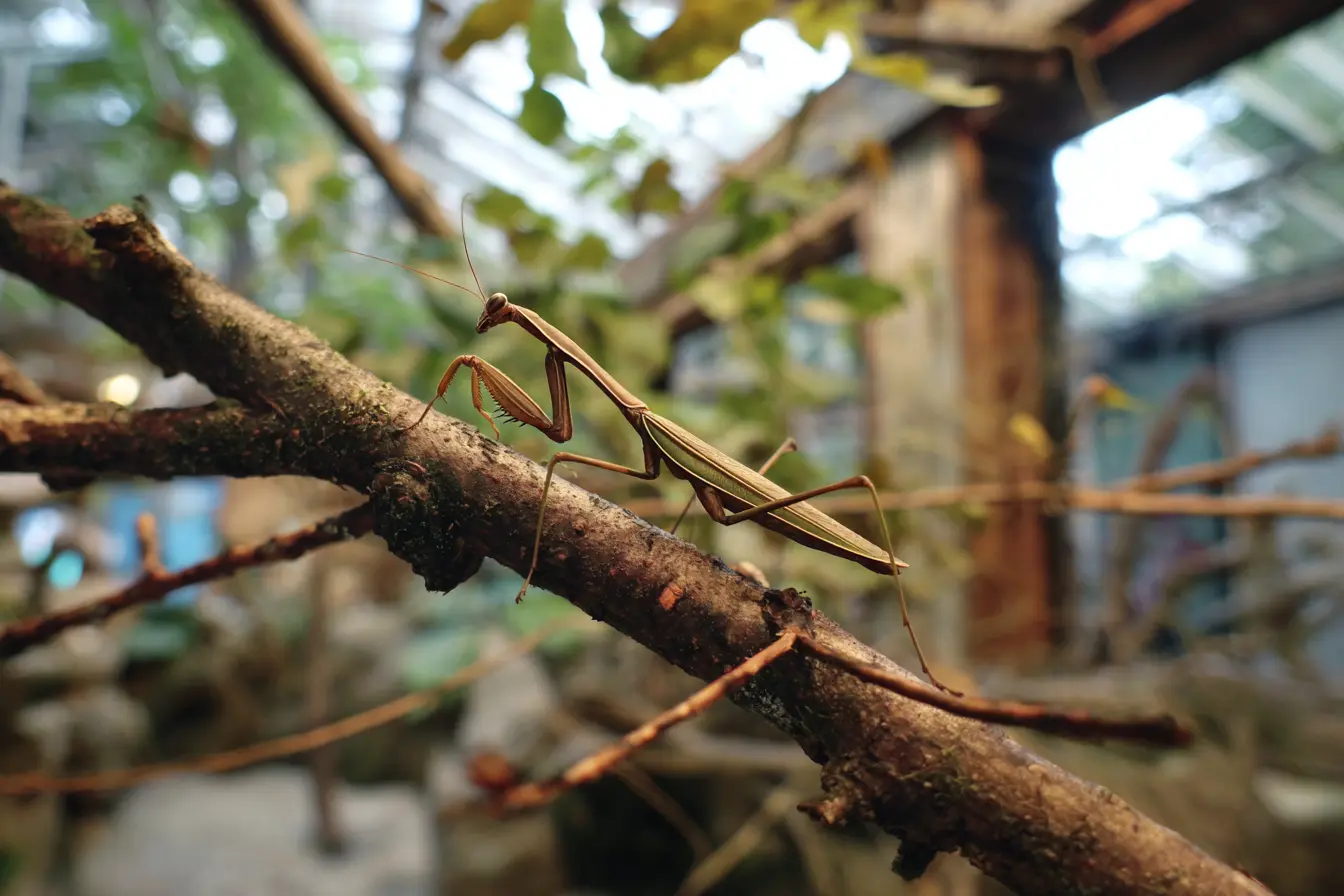
The African Giant Stick Mantis (Tenodera sinensis, commonly referred to in the hobby as the African Giant or Giant Stick Mantis) is a large, powerful mantis species admired for its impressive size, elongated body, and calm, confident demeanour. Native to parts of Africa and Asia depending on locality and classification, this species is one of the most popular large mantids kept in captivity due to its hardiness and striking presence.
With its classic mantis silhouette and excellent feeding response, the African Giant Stick Mantis is an outstanding choice for keepers seeking a bold, easy-to-manage mantis with plenty of personality.
Why Choose an African Giant Stick Mantis?
This species is ideal for beginners and experienced keepers alike, offering size and presence without demanding care requirements.
- Large Size: Females can reach 10–12 cm, making them one of the larger commonly kept mantids.
- Classic Appearance: Slender, stick-like body with leaf-green or brown tones.
- Calm Temperament: Often more tolerant of gentle handling than smaller, faster species.
- Strong Feeding Response: A reliable and enthusiastic hunter.
This species is particularly popular as a first “large mantis”.
Housing Your African Giant Stick Mantis
Enclosure
As an arboreal species, vertical space is the most important factor.
- Size: The enclosure should be at least 3x the mantis’ height in vertical space and 2x its length in width.
- Recommended Dimensions: For adults, a minimum of 20x20x40 cm.
- Ventilation: High ventilation is essential to prevent stagnant air.
- Ceiling: Use mesh, fabric, or plastic mesh, never metal, to allow safe moulting.
The mantis must be able to hang freely and fully extend during moults.
Decor and Furnishings
- Vertical Branches and Twigs: Provide multiple perching options.
- Artificial or Live Plants: Offer cover and climbing surfaces.
- Open Space: Ensure enough room for hunting and moulting.
Avoid cluttering the enclosure too densely.
Temperature and Humidity
African Giant Stick Mantises thrive in warm, lightly humid environments.
- Temperature: 22–28°C during the day, with a slight night-time drop.
- Heating: A heat mat or heat cable on the side of the enclosure can be used if needed.
- Humidity: 50–60% is ideal. Light misting once daily is usually sufficient.
Allow the enclosure to dry between misting sessions to avoid excessive moisture.
Feeding Your African Giant Stick Mantis
Diet
This species has an excellent feeding response and readily accepts a wide range of prey.
- Fruit Flies (for early instars)
- House Flies
- Blue or Green Bottle Flies
- Crickets
- Locust Hoppers
Adults can handle larger prey, but insects should never exceed the width of the mantis’ thorax.
- Nymphs: Feed every 1–2 days.
- Adults: Feed every 2–4 days.
Remove uneaten prey after feeding sessions.
Water
Mantises hydrate via droplets rather than bowls.
- Provide water through daily misting, allowing droplets to form on leaves and enclosure walls.
- Avoid large droplets that could cause drowning, particularly for young nymphs.
Handling and Temperament
African Giant Stick Mantises are often calmer than many other species.
- Hand-Walk Friendly: Many individuals tolerate gentle handling.
- Slow and Deliberate Movements: Less prone to sudden darting.
- Still a Predator: Can strike if startled or mishandled.
Handling should always be calm, slow, and optional for the mantis, never forced.
Health and Common Issues
Most health issues stem from enclosure setup rather than diet.
- Failed Moults: Usually due to low humidity or insufficient vertical space.
- Dehydration: Leads to lethargy and poor feeding response.
- Poor Ventilation: Can result in mould or bacterial problems.
Moulting
Signs of an impending moult include:
- Reduced appetite.
- Hanging upside down more frequently.
- Periods of inactivity.
Do not disturb the mantis during moulting. Wait at least 24–48 hours after a successful moult before feeding.
Lifespan and Behaviour
- Lifespan: Approximately 9–12 months.
- Growth Rate: Moderate to fast.
- Solitary Nature: Cannibalistic and must be housed individually.
Females are significantly larger and broader than males, while males are slimmer and more active.
Legal and Ethical Considerations
- African Giant Stick Mantises are legal to keep in the UK.
- Always purchase from reputable breeders or specialist invertebrate suppliers.
- Captive-bred specimens are strongly preferred.
Never release non-native mantids into the wild.
Cost of Ownership
This species is affordable and inexpensive to maintain.
- Mantis (nymph): £10–£25.
- Enclosure Setup: £30–£60.
- Food: £5–£10 per month.
- Utilities: Minimal.
Conclusion
The African Giant Stick Mantis is a fantastic all-round mantis species, offering impressive size, calm behaviour, and straightforward care. Its classic mantis form and confident hunting style make it endlessly engaging to observe, whether as a first mantis or a centrepiece species.
With proper housing, good ventilation, and a varied diet, the African Giant Stick Mantis can thrive in captivity and reward keepers with bold behaviour and reliable growth. For anyone seeking a large, manageable, and visually striking mantis, the African Giant Stick Mantis is an excellent choice.
Quick questions
- What should I know about african giant stick mantis?
- The African Giant Stick Mantis is a popular mantis species known for its large size, calm nature, and ease of care. Perfect for beginners, it reaches 10–12 cm and requires a vertical enclosure with good ventilation. Maintain. Vet Verified can help you compare UK veterinary practices by location, species, services and opening hours before you call.
- When should I contact a vet about african giant stick mantis?
- Contact a veterinary practice if your pet seems unwell, symptoms are getting worse, you are unsure what to do, or the situation may be urgent. Vet Verified helps you compare practice details, but a vet should advise on your pet's current care.
- Can Vet Verified help me find exotic vets?
- Yes. Use Vet Verified to compare exotic vets across the UK, then check practice profiles and call directly to confirm current availability.
Find a vet
Need a vet for this?
Use Vet Verified to compare UK veterinary practices that match this topic, then call the practice directly to confirm current services and availability.