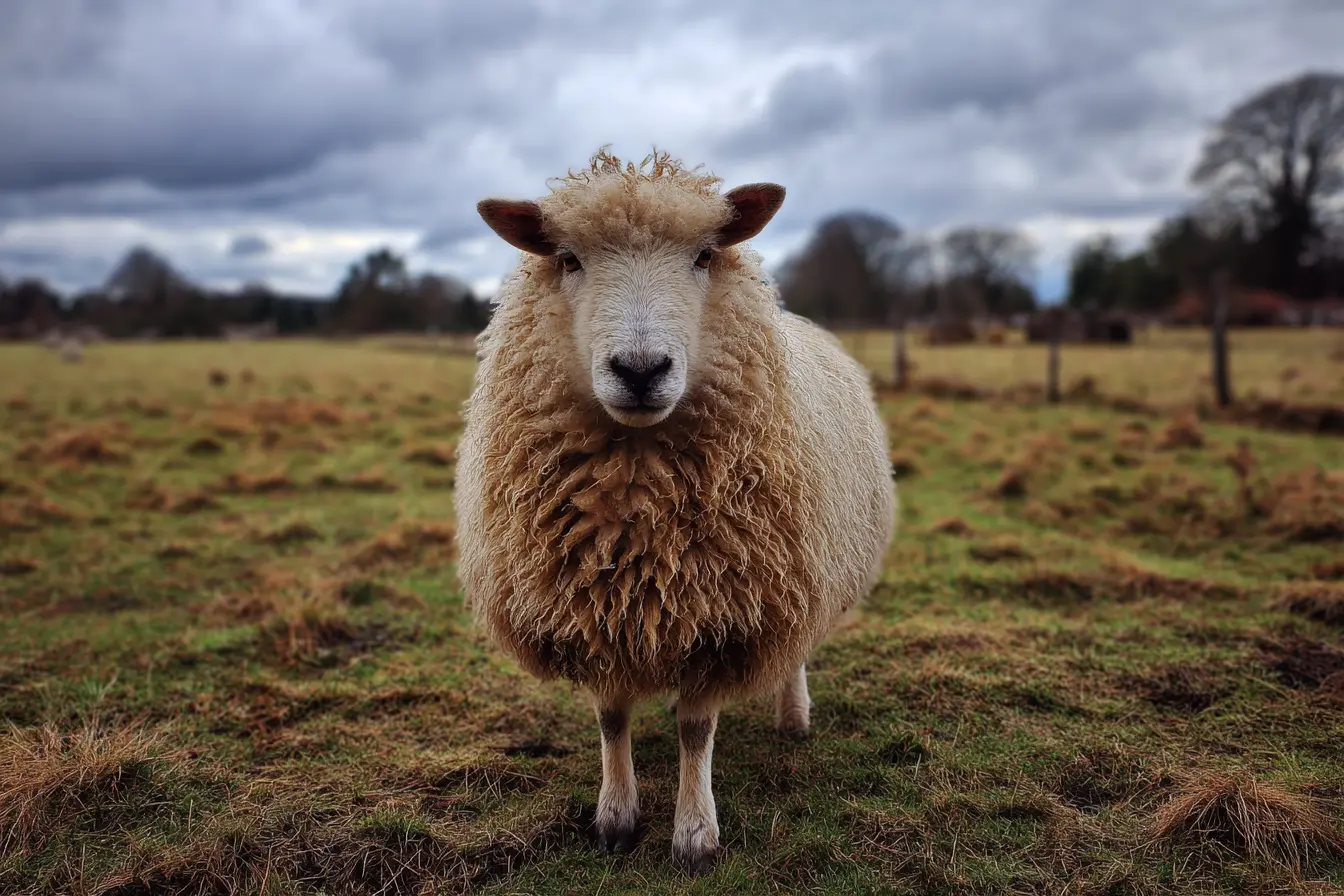
Leicester Longwool sheep are one of Britain’s most impressive and historic longwool breeds, renowned for their large size, lustrous fleece, and calm temperament. With their distinctive upright ears, Roman nose, and heavy curls of wool, Leicester Longwools are as visually striking as they are productive. Today, they are valued by smallholders, pedigree breeders, and wool enthusiasts who appreciate both their heritage and versatility.
This guide provides a detailed overview of Leicester Longwool sheep, including their history, key characteristics, housing, feeding, health care, breeding, and general management.
A Brief History of Leicester Longwool Sheep
Leicester Longwool sheep were developed in the 18th century by the pioneering agriculturalist Robert Bakewell in Leicestershire. Bakewell’s selective breeding methods were revolutionary and led to the creation of a sheep that grew faster, produced heavier carcasses, and carried a high-quality fleece.
The Leicester Longwool had a profound influence on sheep breeding worldwide and contributed genetically to many modern breeds, including the Border Leicester and Bluefaced Leicester. Although their numbers declined with the rise of more specialised commercial breeds, Leicester Longwools have been preserved as a rare native breed and are now enjoying renewed interest.
Key Characteristics of Leicester Longwool Sheep
Leicester Longwool sheep are known for their size, elegance, and productivity.
- Appearance: Large, tall sheep with a clean white face, pronounced Roman nose, and distinctive upright ears.
- Horns: Naturally polled (hornless) in both rams and ewes.
- Size: Very large breed. Ewes typically weigh 80–100kg, while rams often exceed 120kg.
- Temperament: Calm, docile, and easy to handle.
- Hardiness: Hardy in lowland and sheltered systems, though less suited to exposed uplands.
- Wool Quality: Long, strong, lustrous fleece forming heavy curls.
- Meat Quality: Produces well-flavoured meat, though meat production is often secondary to breeding and wool.
Housing for Leicester Longwool Sheep
Leicester Longwool sheep benefit from good shelter to protect their valuable fleece.
Shelter Requirements
- Natural Shelter: Hedgerows and trees provide good protection from wind and rain.
- Field Shelters: Recommended in exposed or wet areas.
- Winter Housing: Often beneficial, particularly in prolonged wet weather or during lambing.
Fencing
- Strong Fencing: Required due to the breed’s size and weight.
- Electric Fencing: Effective for grazing control and rotational systems.
- Handling Facilities: Spacious handling areas help prevent fleece damage and stress.
Feeding Leicester Longwool Sheep
As a large and productive breed, Leicester Longwools require careful nutritional management.
Diet
- Pasture: Thrive on good-quality grass pasture.
- Winter Forage: Hay or haylage is essential when grass growth is limited.
- Concentrates: May be required for pregnant and lactating ewes, and for breeding rams.
- Minerals: Provide a sheep-specific mineral supplement suitable for your area.
Water
- Fresh, clean water must be available at all times.
Breeding Leicester Longwool Sheep
Leicester Longwool sheep are fertile and generally easy to breed.
Breeding Characteristics
- Age to Breed: Ewes are usually bred from 18 months of age.
- Gestation Period: Approximately 147 days.
- Lambing: Generally straightforward, though the size of lambs means monitoring is important.
Care of Lambs
- Lambs are strong and quick to stand and suckle.
- Ewes produce good quantities of milk.
- Lambs grow quickly when well fed.
Health Care for Leicester Longwool Sheep
Routine health care is essential, particularly due to fleece length.
Vaccinations
Work with your vet to establish a vaccination programme, commonly including:
- Clostridial diseases
- Pasteurellosis
Parasite Control
- Regular faecal egg counts help guide worming.
- Flystrike prevention is essential due to heavy fleece.
- Monitor for lice and other external parasites.
Hoof Care
- Foot Trimming: Required regularly, especially in lowland systems.
- Foot Health: Keep ground dry and gateways well maintained to reduce lameness.
Common Health Issues
- Flystrike: High risk in warm weather if fleece is not well managed.
- Lameness: Can occur in wet or muddy conditions.
- Overconditioning: Careful feeding is required to avoid excessive weight gain.
Wool and Fleece Management
The fleece is one of the Leicester Longwool’s greatest assets.
- Shearing: Typically once per year.
- Fleece Weight: Heavy fleeces require timely shearing.
- Wool Uses: Highly prized for hand spinning, weaving, rugs, and traditional textiles.
- Fleece Care: Regular checks help keep fleece clean and free from vegetable matter.
Behaviour and Handling
Leicester Longwool sheep are well known for their calm and gentle nature.
- Docile Temperament: Ideal for smallholders and pedigree breeders.
- Handling: Easy to manage with good handling facilities.
- Routine-Oriented: Respond well to consistent routines.
Why Choose Leicester Longwool Sheep?
Leicester Longwool sheep offer a unique combination of history and practicality:
- Historic Significance: Foundation breed for many modern sheep.
- Outstanding Fleece: Long, lustrous wool with strong demand.
- Calm and Manageable: Easy to handle despite large size.
- Versatility: Suitable for wool, breeding, meat, and showing.
- Heritage Value: Supports the conservation of a rare British breed.
Conclusion
Leicester Longwool sheep are a magnificent and historically significant breed that continue to offer value to modern keepers. Their impressive size, gentle temperament, and exceptional fleece make them a rewarding choice for those willing to provide appropriate care and management.
With good nutrition, effective fleece management, and routine health care, Leicester Longwool sheep can thrive and remain productive. By choosing this breed, you are not only gaining a versatile and attractive sheep but also helping to preserve one of the most influential breeds in the history of British livestock farming.
Quick questions
- What should I know about leicester longwool sheep?
- Leicester Longwool sheep are a historic British breed known for their large size, lustrous fleece, and calm nature. Originating in the 18th century, they were developed by Robert Bakewell and have influenced many modern sheep. Vet Verified can help you compare UK veterinary practices by location, species, services and opening hours before you call.
- When should I contact a vet about leicester longwool sheep?
- Contact a veterinary practice if your pet seems unwell, symptoms are getting worse, you are unsure what to do, or the situation may be urgent. Vet Verified helps you compare practice details, but a vet should advise on your pet's current care.
- Can Vet Verified help me find a vet?
- Yes. Use Vet Verified to compare UK veterinary practices by location, species, services and opening hours, then call directly to confirm current availability.
Find a vet
Need a vet for this?
Use Vet Verified to compare UK veterinary practices that match this topic, then call the practice directly to confirm current services and availability.
Find a vet