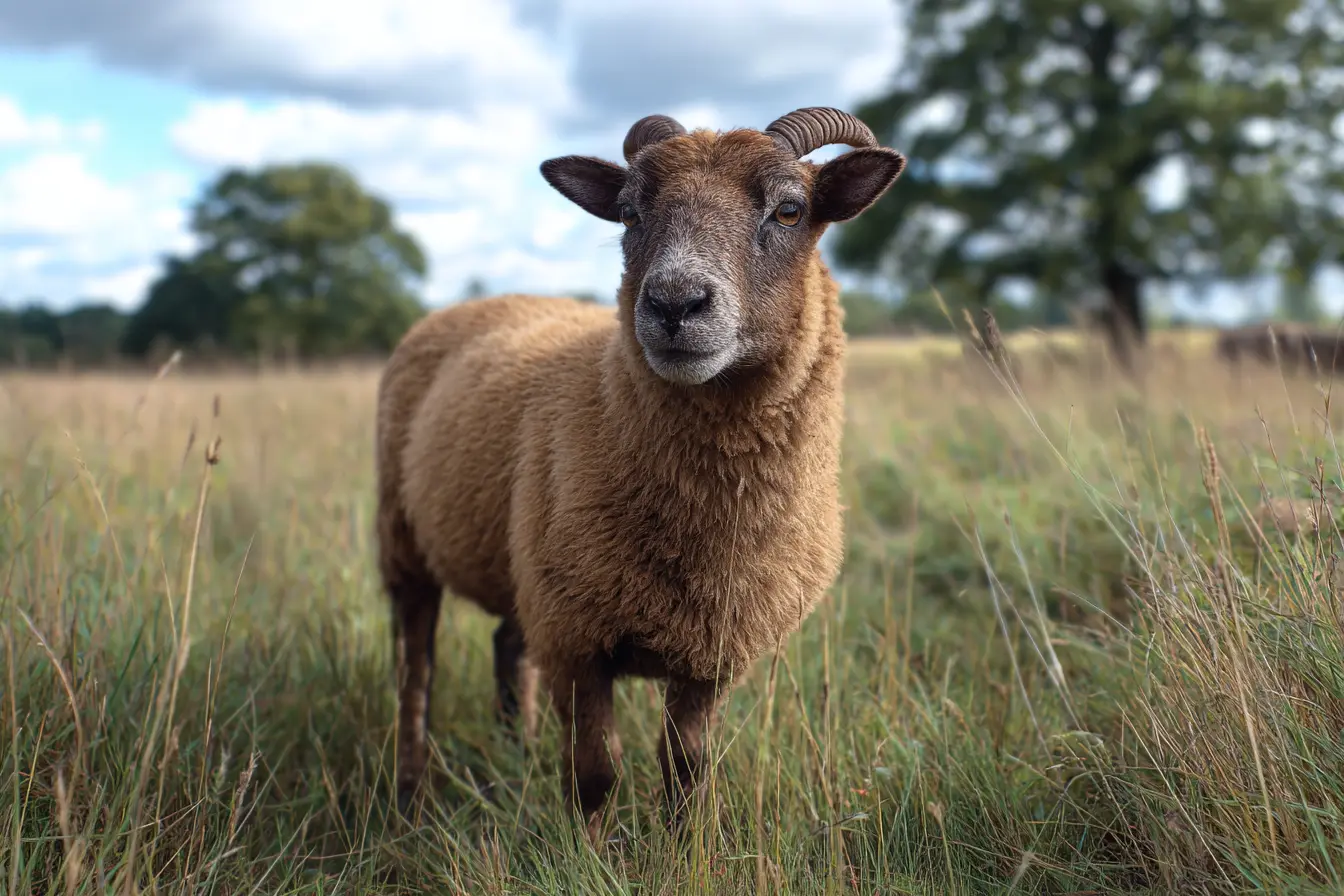
A Complete Guide to Caring for Castlemilk Moorit Sheep
Castlemilk Moorit sheep are one of the UK’s rarest and most distinctive primitive sheep breeds. Small, agile, and naturally hardy, they are closely related to Soay sheep and are best known for their rich moorit (reddish-brown) fleece, excellent conservation grazing ability, and minimal management requirements. This makes them particularly attractive to conservation projects, smallholders, and those interested in preserving rare and ancient livestock genetics.
This guide provides a detailed overview of Castlemilk Moorit sheep, including their history, characteristics, housing, feeding, health care, breeding, and general management.
A Brief History of Castlemilk Moorit Sheep
Castlemilk Moorit sheep originate from a small, isolated flock discovered in the 20th century at Castlemilk in Dumfriesshire, Scotland. Genetic testing later confirmed that they are closely related to Soay sheep, sharing many primitive traits while also displaying distinct physical and fleece characteristics.
Because the entire modern population descends from a very small number of animals, Castlemilk Moorits are classed as a critically rare breed. Conservation breeding programmes now focus on maintaining genetic diversity while preserving the breed’s unique characteristics.
Key Characteristics of Castlemilk Moorit Sheep
Castlemilk Moorit sheep retain many primitive features that set them apart from modern commercial breeds.
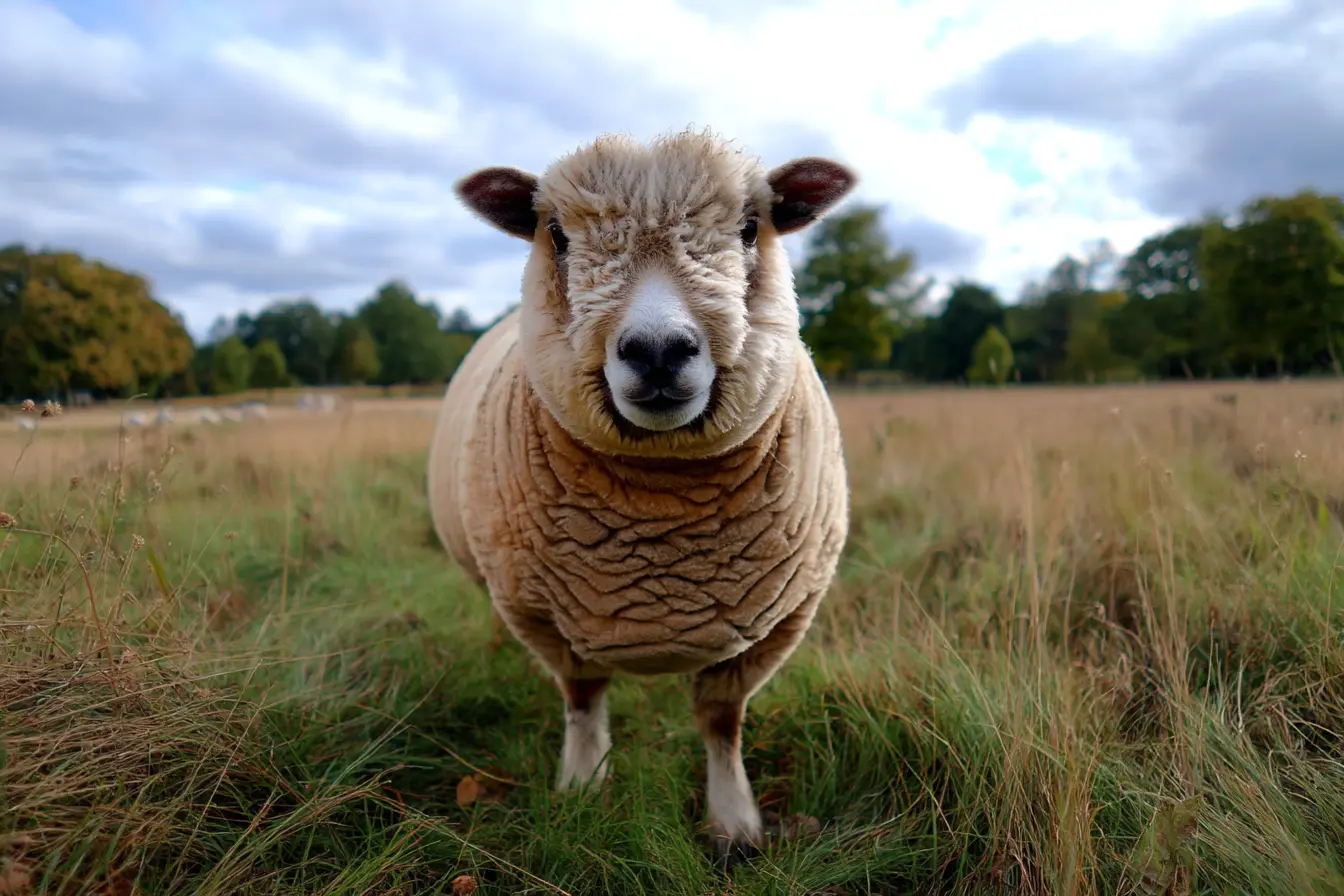
- Appearance: Small, fine-boned sheep with a naturally coloured moorit (reddish-brown) fleece. Some variation in shade may occur.
- Horns: Rams typically have strong, curved horns; ewes may be horned, scurred, or polled.
- Size: Very small breed. Ewes usually weigh 25–35kg, while rams weigh around 35–45kg.
- Temperament: Alert, intelligent, and naturally wary, though calm handling builds trust.
- Hardiness: Exceptionally hardy and capable of thriving on poor grazing and in exposed conditions.
- Wool Type: Primitive fleece consisting of a fine undercoat and coarser outer fibres.
- Meat Quality: Produces very lean, flavoursome meat, similar to other primitive breeds.
Housing for Castlemilk Moorit Sheep
Castlemilk Moorit sheep are extremely low maintenance and well suited to year-round outdoor living.
Shelter Requirements
- Natural Shelter: Hedgerows, banks, scrub, and natural landscape features are usually sufficient.
- Man-Made Shelter: Rarely required, but a simple field shelter is useful during extreme weather or for management tasks.
- Winter Housing: Generally unnecessary, even in harsh conditions, provided grazing is available.
Fencing
- Secure Fencing Essential: These sheep are agile and adept at escaping weak fencing.
- Fence Height: At least 1.2–1.3 metres is recommended.
- Electric Fencing: Effective if well maintained and properly powered.
Feeding Castlemilk Moorit Sheep
Castlemilk Moorit sheep are extremely efficient foragers.
Diet
- Rough Grazing: Ideal for heathland, scrub, moorland, and conservation sites.
- Pasture Management: Avoid rich pasture, which can lead to obesity and metabolic issues.
- Supplementary Feeding: Rarely required except during prolonged snow cover or for animals in poor condition.
- Minerals: Provide a basic sheep mineral block; avoid unnecessary supplementation.
Water
- Fresh, clean water must be available at all times, even in extensive systems.
Breeding Castlemilk Moorit Sheep
Breeding management is critical due to the breed’s rarity and limited genetic base.
Breeding Characteristics
- Age to Breed: Ewes can be bred from around 12–18 months.
- Gestation Period: Approximately 145–147 days.
- Lambing: Typically easy and unassisted, often taking place outdoors.
Care of Lambs
- Lambs are small, agile, and quick to suckle.
- Ewes have strong maternal instincts.
- Minimal intervention is usually best.
Health Care for Castlemilk Moorit Sheep
Castlemilk Moorit sheep are naturally robust and resistant to many common sheep ailments.
Vaccinations
- Some keepers use minimal vaccination programmes, but clostridial vaccination is generally recommended.
- Always consult your vet to assess disease risk based on location and management.
Parasite Control
- Strong natural resistance to internal parasites.
- Use faecal egg counts to guide any worming.
- External parasites are uncommon but should still be monitored.
Hoof Care
- Foot Trimming: Rarely required due to natural hoof wear.
- Lameness: Very low incidence in well-drained environments.
Common Health Issues
- Copper Sensitivity: Like all sheep, Castlemilk Moorits are sensitive to copper.
- Flystrike: Lower risk due to shedding fleece, but still possible in warm conditions.
- Overfeeding: Rich diets can cause serious health issues.
Fleece and Natural Shedding
Castlemilk Moorit sheep retain the primitive ability to shed their fleece.
- Shedding: Occurs naturally in spring and early summer.
- Plucking (Rooing): Fleece can be hand-plucked during shedding.
- Shearing: Usually unnecessary, though occasionally done if shedding is incomplete.
- Fibre Use: Wool is suitable for hand spinning, felting, and traditional crafts.
Behaviour and Handling
Castlemilk Moorit sheep display strong natural behaviours.
- Alert and Agile: Quick-moving and intelligent.
- Handling: Requires calm, patient handling and good facilities.
- Flock Structure: Strong social hierarchy and flock cohesion.
- Conservation Grazing: Excellent for managing scrub and sensitive habitats.
Why Choose Castlemilk Moorit Sheep?
Castlemilk Moorit sheep are best suited to specific systems and goals:
- Extremely Low Input: Minimal feeding, housing, and intervention.
- Conservation Grazing: Highly effective on rough and sensitive land.
- Rare Breed Conservation: Vital to preserving unique genetics.
- Naturally Coloured Wool: Distinctive moorit fleece valued by spinners.
- Hardy and Self-Sufficient: Thrives where many breeds cannot.
Conclusion
Castlemilk Moorit sheep are a remarkable and rare primitive breed, offering a unique combination of hardiness, self-sufficiency, and historical significance. Their minimal management needs and ability to thrive on poor grazing make them ideal for conservation projects and experienced keepers who value traditional livestock traits.
While they are not suited to intensive farming or highly managed systems, Castlemilk Moorit sheep reward thoughtful, low-intervention management with resilience, efficiency, and the satisfaction of helping to preserve one of the UK’s rarest and most genetically important sheep breeds for future generations.
Contents
- A Brief History of Castlemilk Moorit Sheep
- Key Characteristics of Castlemilk Moorit Sheep
- Housing for Castlemilk Moorit Sheep
- Feeding Castlemilk Moorit Sheep
- Breeding Castlemilk Moorit Sheep
- Health Care for Castlemilk Moorit Sheep
- Fleece and Natural Shedding
- Behaviour and Handling
- Why Choose Castlemilk Moorit Sheep?
- Conclusion
Vets near you
Speciality vets
- Aquatics vet specialists
- Birds vet specialists
- Camelids vet specialists
- Cats vet specialists
- Cattle vet specialists
- Deer vet specialists
- Dogs vet specialists
- Equines vet specialists
- Exotic vet specialists
- Goats vet specialists
- Pigs vet specialists
- Poultry vet specialists
- Sheep vet specialists
- Small Mammals vet specialists
- Wild vet specialists
Vet facilities
- Accessible by public transport
- Blood testing
- Car park nearby
- Client car park
- Dentistry
- Diagnostic imaging
- Disabled public access
- Flea and worm treatments
- Microchipping
- Mobile services
- Neutering
- Open at weekends
- Out-of-hours service
- Referral interests
- Referrals only
- Street parking outside
- Toilets available
- Vaccinations