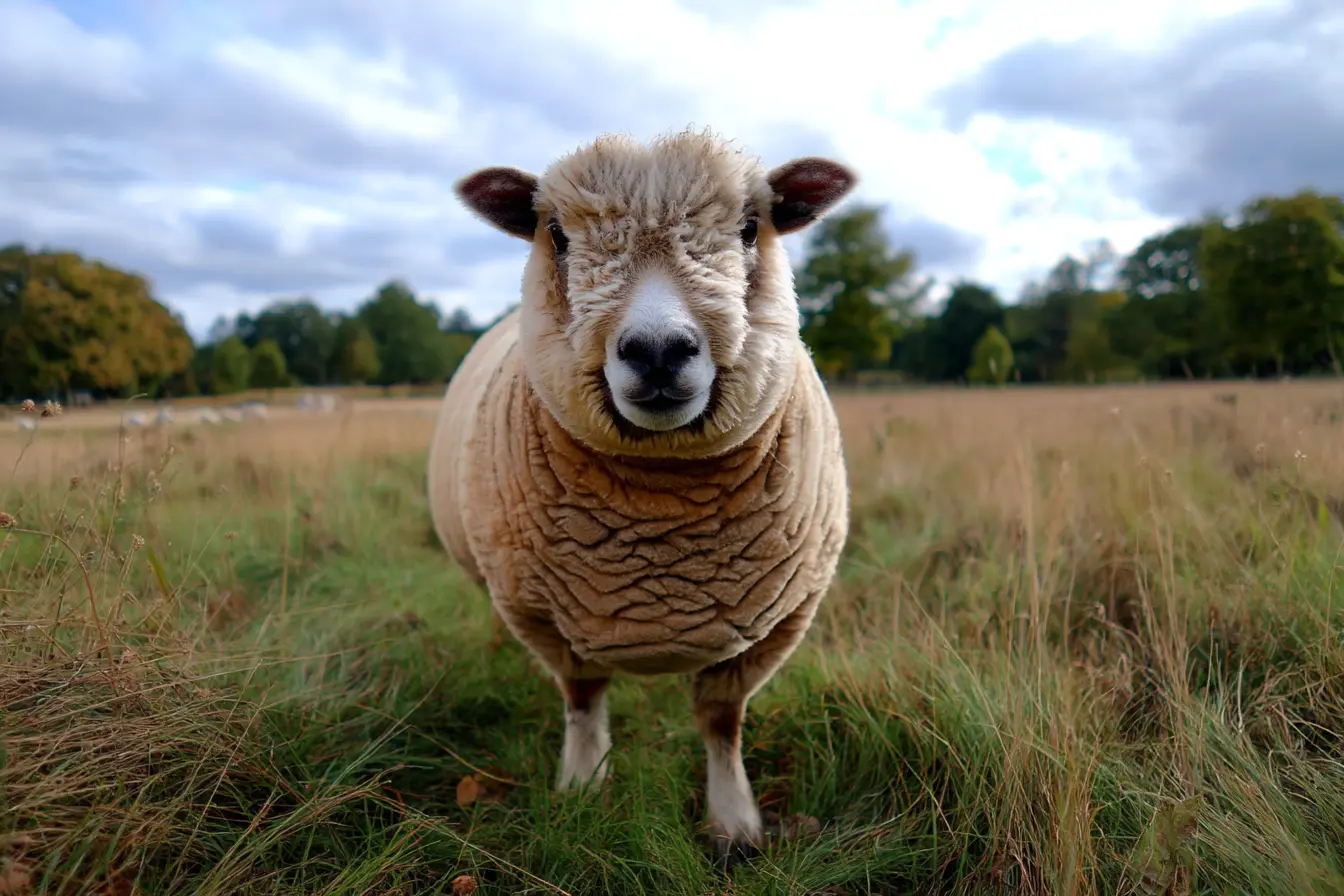
A Complete Guide to Caring for Ryeland Sheep
Ryeland sheep are one of the oldest and most recognisable native sheep breeds in the UK, prized for their calm temperament, distinctive woolly faces, and high-quality fleece. Originating from the Welsh border counties, Ryelands are a versatile and adaptable breed, well suited to smallholdings, lowland farms, and conservation grazing projects. Their manageable size and friendly nature make them particularly popular with beginners and family-run holdings.
This guide provides a detailed overview of Ryeland sheep, covering their history, key characteristics, housing, feeding, health care, breeding, and general management.
A Brief History of Ryeland Sheep
Ryeland sheep originated in Herefordshire and surrounding counties, where they were historically grazed on rye-rich pastures, hence the name “Ryeland”. The breed became famous in medieval times for producing some of the finest wool in England, which was highly sought after by European cloth makers.
By the 18th century, Ryelands were one of the most important sheep breeds in the country. However, their numbers declined with the rise of larger commercial breeds. Thanks to dedicated conservation efforts, Ryeland sheep have been preserved and are now recognised as a rare native breed, valued for both their heritage and practicality.
Key Characteristics of Ryeland Sheep
Ryeland sheep combine traditional qualities with modern-day suitability for small-scale farming.
- Appearance: Compact, well-rounded sheep with a dense fleece. They have a distinctive woolly face, often described as “teddy bear-like”.
- Horns: Naturally polled in both rams and ewes.
- Size: Small to medium-sized breed. Ewes typically weigh 50–60kg, with rams weighing 65–80kg.
- Temperament: Calm, docile, and easy to handle, making them ideal for beginners.
- Hardiness: Hardy and adaptable, though better suited to lowland and sheltered systems than exposed uplands.
- Wool Quality: Fine, dense fleece prized for spinning, knitting, and high-quality textiles.
- Meat Quality: Produces well-flavoured, tender lamb with good carcass quality.
Housing for Ryeland Sheep
Ryeland sheep are adaptable but benefit from good shelter, particularly in wetter conditions.
Shelter Requirements
- Natural Shelter: Hedgerows and trees provide adequate protection.
- Field Shelters: Useful in exposed or lowland systems.
- Winter Housing: Often beneficial in prolonged wet weather to protect fleece quality.
Fencing
- Standard Sheep Fencing: Usually sufficient, as Ryelands are not strong fence challengers.
- Electric Fencing: Effective for paddock and rotational grazing.
- Gateway Management: Ensure gateways are well maintained to prevent fleece damage.
Feeding Ryeland Sheep
Ryeland sheep are good doers and require careful management to avoid overfeeding.
Diet
- Pasture: Thrive on good-quality grass pasture.
- Hay or Haylage: Required during winter months.
- Concentrates: Often unnecessary except for pregnant or lactating ewes, and even then should be fed sparingly.
- Minerals: Provide a sheep-specific mineral lick, avoiding copper.
Water
- Constant access to clean, fresh water is essential.
Breeding Ryeland Sheep
Ryeland sheep are known for their excellent fertility and strong mothering ability.
Breeding Characteristics
- Age to Breed: Ewes can be bred from 18 months of age.
- Gestation Period: Approximately 147 days.
- Lambing: Generally easy, with minimal assistance required.
Care of Lambs
- Lambs are vigorous and quick to suckle.
- Ewes are attentive mothers with good milk supply.
- Indoor or outdoor lambing can be successful depending on system.
Health Care for Ryeland Sheep
Ryeland sheep are generally healthy but still require routine health management.
Vaccinations
Work with your vet to establish a suitable vaccination programme, commonly including:
- Clostridial diseases
- Pasteurellosis
Parasite Control
- Use faecal egg counts to guide worming decisions.
- Ryelands can be susceptible to parasites on lush pasture if not monitored.
- Flystrike prevention is important due to dense fleece.
Hoof Care
- Regular Trimming: More often needed than in hill breeds.
- Foot Health: Maintain dry conditions to reduce foot rot risk.
Common Health Issues
- Flystrike: Increased risk due to thick fleece.
- Obesity: Ryelands are good doers and can gain weight easily.
- Copper Sensitivity: As with all sheep, avoid copper-containing feeds.
Fleece Care and Shearing
Ryeland fleece is one of the breed’s greatest assets.
- Shearing: Typically once per year.
- Fleece Weight: Dense fleece requires regular shearing to prevent overheating.
- Wool Uses: Highly valued by hand spinners and crafters for its softness and consistency.
Behaviour and Handling
Ryeland sheep are renowned for their gentle and manageable nature.
- Docile Temperament: Easy to handle and ideal for smallholders.
- Routine-Based: Respond well to consistent routines.
- Training: Can be trained to follow feeders and handling systems easily.
Why Choose Ryeland Sheep?
Ryeland sheep are an excellent choice for a wide range of keepers:
- Beginner Friendly: Calm and easy to manage.
- High-Quality Wool: Among the finest of British native breeds.
- Versatile: Suitable for meat, wool, and conservation grazing.
- Compact Size: Ideal for smallholdings.
- Heritage Value: Preserves an important historic breed.
Conclusion
Ryeland sheep are a charming and practical native breed, combining a gentle temperament with high-quality wool and excellent mothering ability. Their adaptability and manageable size make them particularly well suited to smallholders and those new to sheep keeping.
With sensible feeding, good fleece management, and routine health care, Ryeland sheep can thrive in a variety of lowland systems. By choosing Ryelands, you are supporting a historic British breed while enjoying the many benefits of keeping one of the UK’s most personable and rewarding sheep breeds.

Vets near you
Speciality vets
- Aquatics vet specialists
- Birds vet specialists
- Camelids vet specialists
- Cats vet specialists
- Cattle vet specialists
- Deer vet specialists
- Dogs vet specialists
- Equines vet specialists
- Exotic vet specialists
- Goats vet specialists
- Pigs vet specialists
- Poultry vet specialists
- Sheep vet specialists
- Small Mammals vet specialists
- Wild vet specialists
Vet facilities
- Accessible by public transport
- Blood testing
- Car park nearby
- Client car park
- Dentistry
- Diagnostic imaging
- Disabled public access
- Flea and worm treatments
- Microchipping
- Mobile services
- Neutering
- Open at weekends
- Out-of-hours service
- Referral interests
- Referrals only
- Street parking outside
- Toilets available
- Vaccinations