A Complete Guide to Caring for Hebridean Sheep
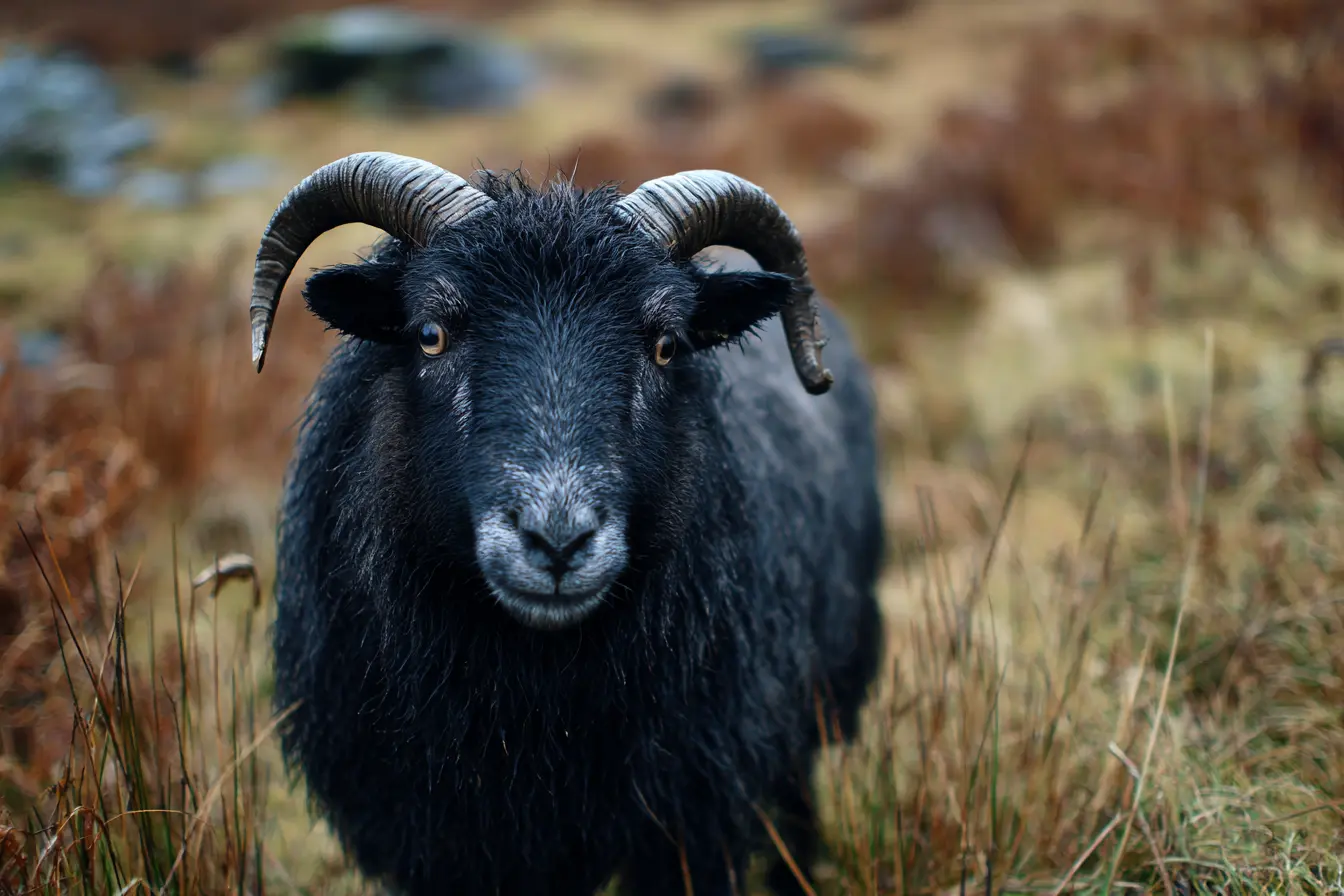
Hebridean sheep are a striking and ancient native breed, instantly recognisable by their sleek black fleece, elegant horns, and hardy nature. Originating from the Western Isles of Scotland, these sheep are well adapted to harsh conditions and poor grazing, making them an excellent choice for conservation grazing, smallholdings, and low-input farming systems.
This guide explores everything you need to know about Hebridean sheep, including their history, key characteristics, housing, feeding, health care, breeding, and general management.
A Brief History of Hebridean Sheep
Hebridean sheep originate from the Hebrides off the west coast of Scotland and are believed to descend from ancient short-tailed sheep once common across northern Europe. For centuries, they were kept by crofters in challenging coastal environments, surviving on sparse grazing, strong winds, and poor soils.
By the late 19th and early 20th centuries, Hebridean sheep numbers declined sharply as larger commercial breeds became more popular. Thanks to conservation efforts, the breed has been saved from extinction and is now classed as a rare native breed in the UK, valued for both its resilience and historical importance.
Key Characteristics of Hebridean Sheep
Hebridean sheep combine primitive traits with practical advantages for modern low-input systems.
- Appearance: Small, fine-boned sheep with a glossy black fleece that may fade to brown in sunlight. Some develop grey fleeces with age.
- Horns: Rams typically have impressive curved horns; ewes may be horned or polled.
- Size: Small to medium-sized breed. Ewes usually weigh 35–45kg, with rams weighing 45–55kg.
- Temperament: Alert, intelligent, and generally calm when accustomed to handling.
- Hardiness: Exceptionally hardy and well suited to exposed, poor, and marginal land.
- Wool Quality: Soft, fine fleece ideal for hand spinning, knitting, and natural-colour textiles.
- Meat Quality: Produces lean, flavoursome meat with a distinctive character.
Housing for Hebridean Sheep
Hebridean sheep are well adapted to living outdoors and require minimal housing.
Shelter Requirements
- Natural Shelter: Hedgerows, banks, trees, and landscape features provide sufficient protection.
- Field Shelters: Useful but not essential, particularly in lowland systems.
- Winter Housing: Rarely required, even in harsh conditions, provided grazing is adequate.
Fencing
- Secure Fencing: Hebrideans are agile and can jump or squeeze through weak fencing.
- Fence Height: A minimum of 1.2 metres is recommended.
- Electric Fencing: Effective when properly maintained.
Feeding Hebridean Sheep
Hebridean sheep are excellent foragers and thrive on rough grazing where other breeds struggle.
Diet
- Rough Grazing: Ideal for conservation areas, heathland, and unimproved pasture.
- Improved Pasture: Care is needed, as rich grazing can lead to obesity.
- Supplementary Feeding: Rarely required except in prolonged snow or for pregnant ewes in poor condition.
- Minerals: Provide a sheep-specific mineral block; avoid over-supplementation.
Water
- Continuous access to clean, fresh water is essential.
Breeding Hebridean Sheep
Hebridean sheep are fertile, long-lived, and excellent mothers.
Breeding Characteristics
- Age to Breed: Ewes can be bred from 18 months of age.
- Gestation Period: Approximately 147 days.
- Lambing: Usually easy and unassisted, often taking place outdoors.
Care of Lambs
- Lambs are small, lively, and quick to suckle.
- Ewes show strong maternal instincts.
- Minimal intervention is usually best.
Health Care for Hebridean Sheep
Hebridean sheep are naturally robust but still require basic health care.
Vaccinations
- Clostridial vaccinations are recommended.
- Additional vaccinations should be discussed with your vet based on local risk.
Parasite Control
- Generally low parasite burden due to hardy genetics.
- Use faecal egg counts to guide worming.
- Monitor for liver fluke in wet grazing areas.
Hoof Care
- Foot Trimming: Rarely needed due to natural wear.
- Foot Health: Low incidence of lameness in well-drained environments.
Common Health Issues
- Copper Sensitivity: Like most sheep, Hebrideans are sensitive to copper.
- Flystrike: Lower risk than long-fleeced breeds but still possible in warm weather.
- Overconditioning: Rich grazing can lead to excessive weight gain.
Fleece and Colour Genetics
Hebridean sheep are prized for their naturally coloured fleece.
- Fleece Colours: Black is most common, with shades of brown and grey also seen.
- Shearing: Typically shorn once per year.
- Fibre Use: Excellent for hand spinners, felters, and knitters seeking natural colours.
Behaviour and Handling
Hebridean sheep retain many primitive behaviours while remaining manageable.
- Intelligent and Alert: Quick to learn routines and boundaries.
- Handling: Calm, consistent handling builds trust.
- Flock Dynamics: Strong social structure and good flock cohesion.
- Conservation Grazing: Well suited to managing scrub and invasive vegetation.
Why Choose Hebridean Sheep?
Hebridean sheep offer many advantages for smallholders and conservation projects:
- Low Input Breed: Minimal feeding, housing, and intervention required.
- Hardy and Resilient: Thrives in poor and exposed conditions.
- Attractive Appearance: Elegant black sheep with striking horns.
- Quality Wool: Soft fleece with natural colour variation.
- Lean, Flavourful Meat: Ideal for small-scale and niche markets.
Conclusion
Hebridean sheep are a hardy, versatile, and historically important native breed that fits perfectly into low-input and conservation-focused farming systems. Their ability to thrive on marginal land, combined with their attractive appearance and useful fleece, makes them an excellent choice for smallholders and experienced keepers alike.
With minimal intervention, sensible grazing management, and basic health care, Hebridean sheep can flourish in a wide range of environments. By choosing Hebrideans, you are not only gaining a productive and resilient sheep but also helping to preserve an ancient and valuable part of Britain’s livestock heritage.
Contents

Vets near you
Speciality vets
- Aquatics vet specialists
- Birds vet specialists
- Camelids vet specialists
- Cats vet specialists
- Cattle vet specialists
- Deer vet specialists
- Dogs vet specialists
- Equines vet specialists
- Exotic vet specialists
- Goats vet specialists
- Pigs vet specialists
- Poultry vet specialists
- Sheep vet specialists
- Small Mammals vet specialists
- Wild vet specialists
Vet facilities
- Accessible by public transport
- Blood testing
- Car park nearby
- Client car park
- Dentistry
- Diagnostic imaging
- Disabled public access
- Flea and worm treatments
- Microchipping
- Mobile services
- Neutering
- Open at weekends
- Out-of-hours service
- Referral interests
- Referrals only
- Street parking outside
- Toilets available
- Vaccinations