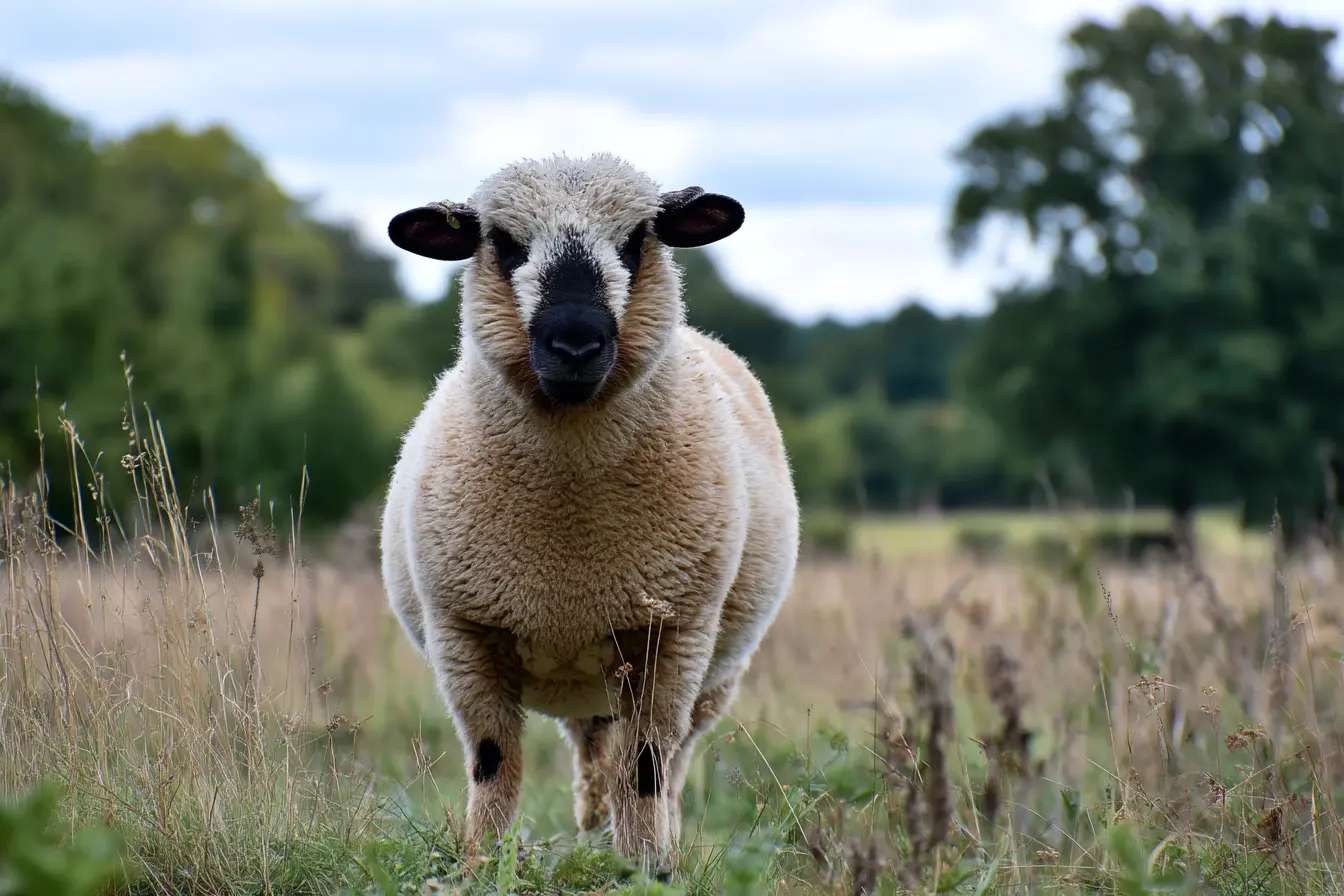
A Complete Guide to Caring for Hampshire Down Sheep
Hampshire Down sheep are a classic British terminal sire breed, renowned for their strength, rapid growth rates, and ability to produce high-quality prime lambs. With their distinctive dark faces, strong frames, and excellent carcass traits, Hampshire Downs have played a significant role in the UK sheep industry for over a century and remain a popular choice for both commercial producers and pedigree breeders.
This guide provides a detailed overview of Hampshire Down sheep, covering their history, key characteristics, housing, feeding, health care, breeding, and general management.
A Brief History of Hampshire Down Sheep
Hampshire Down sheep originated in southern England during the 19th century, particularly in Hampshire and surrounding counties. The breed was developed by crossing Southdown sheep with larger longwool breeds, including Cotswold and Wiltshire Horn, to create a more robust, fast-growing meat sheep.
By the late 1800s, Hampshire Downs were firmly established as one of the leading Down breeds, valued for their size, early maturity, and excellent meat quality. Today, they continue to be widely used as terminal sires and are also popular in pedigree flocks and show rings.
Key Characteristics of Hampshire Down Sheep
Hampshire Down sheep are bred primarily for meat production and strong performance.
- Appearance: Large, powerful sheep with a dark brown to black face and ears, woolly head, and broad muzzle.
- Horns: Naturally polled (hornless) in both rams and ewes.
- Size: Large breed. Ewes typically weigh 75–90kg, while rams often exceed 120kg.
- Temperament: Calm, docile, and generally easy to manage.
- Hardiness: Hardy and adaptable, performing well in a wide range of lowland and marginal systems.
- Carcass Quality: Excellent muscling, strong loin and gigot, and good killing-out percentage.
- Growth Rate: Fast-growing lambs with early finishing ability.
Housing for Hampshire Down Sheep
Hampshire Down sheep are adaptable but benefit from good shelter, particularly in more intensive systems.
Shelter Requirements
- Natural Shelter: Hedgerows, banks, and trees provide adequate protection.
- Field Shelters: Useful in exposed or wet areas.
- Winter Housing: Commonly used during lambing and finishing lambs indoors.
Fencing
- Strong Fencing: Required due to the breed’s size and strength.
- Electric Fencing: Effective for grazing control and rotational systems.
- Handling Facilities: Well-designed handling systems are essential for safe management.
Feeding Hampshire Down Sheep
As a large, high-performance breed, Hampshire Down sheep require careful nutritional management.
Diet
- Pasture: Thrive on good-quality grass and improved pasture.
- Winter Forage: Hay or silage is essential when grass growth is limited.
- Concentrates: Often used to support finishing lambs and pregnant or lactating ewes.
- Minerals: Provide a sheep-specific mineral supplement suited to local deficiencies.
Water
- Fresh, clean water must be available at all times.
Breeding Hampshire Down Sheep
Hampshire Downs are primarily used as a terminal sire breed.
Breeding Characteristics
- Age to Breed: Rams can be used from around 12–18 months once mature.
- Gestation Period: Approximately 147 days.
- Lambing Ease: Generally good, producing well-shaped lambs that are easy born.
- Crossbreeding: Commonly crossed with Mule, Lleyn, Welsh Mountain, and other maternal ewes.
Care of Lambs
- Lambs are vigorous at birth and quick to suckle.
- Strong early growth allows lambs to finish quickly.
- Suitable for grass-based or more intensive finishing systems.
Health Care for Hampshire Down Sheep
Good health management is essential to maintain growth and productivity.
Vaccinations
Work with your vet to establish an appropriate vaccination programme, commonly including:
- Clostridial diseases
- Pasteurellosis
Parasite Control
- Use faecal egg counts to guide worming decisions.
- Flystrike prevention is important during warmer months.
- Monitor for liver fluke in wetter grazing areas.
Hoof Care
- Foot Trimming: Required periodically, particularly in lowland systems.
- Foot Health: Maintain clean, dry conditions to reduce lameness.
Common Health Issues
- Lameness: Can impact growth rates if not treated promptly.
- Flystrike: Risk increases in warm, humid conditions.
- Condition Loss: High-output animals need careful feeding management.
Wool and Fleece Management
Wool is a secondary product for Hampshire Down sheep.
- Shearing: Typically once per year.
- Fleece Type: Medium, dense fleece.
- Wool Uses: Commonly used for general wool products and insulation.
Behaviour and Handling
Hampshire Down sheep are well suited to modern sheep systems.
- Docile Nature: Calm and manageable despite their size.
- Ease of Handling: Respond well to consistent routines.
- Adaptability: Performs well in both grass-based and intensive systems.
Why Choose Hampshire Down Sheep?
Hampshire Down sheep offer clear benefits for meat-focused producers:
- Excellent Terminal Sire: Produces fast-growing, well-muscled lambs.
- Early Maturity: Lambs finish quickly to market specifications.
- Strong Carcass Quality: Meets modern commercial demands.
- Hardy and Adaptable: Suitable for a wide range of systems.
- Proven British Breed: Long-standing reputation for performance.
Conclusion
Hampshire Down sheep are a powerful and reliable terminal sire breed with a long history of success in the UK sheep industry. Their combination of size, growth rate, and carcass quality makes them a strong choice for commercial lamb production and pedigree breeding alike.
With good nutrition, appropriate housing, and routine health care, Hampshire Down sheep can thrive and deliver consistent results. By choosing Hampshire Downs, producers are investing in a proven native breed that continues to play an important role in modern British sheep farming.
Contents
- A Brief History of Hampshire Down Sheep
- Key Characteristics of Hampshire Down Sheep
- Housing for Hampshire Down Sheep
- Feeding Hampshire Down Sheep
- Breeding Hampshire Down Sheep
- Health Care for Hampshire Down Sheep
- Wool and Fleece Management
- Behaviour and Handling
- Why Choose Hampshire Down Sheep?
- Conclusion

Vets near you
Speciality vets
- Aquatics vet specialists
- Birds vet specialists
- Camelids vet specialists
- Cats vet specialists
- Cattle vet specialists
- Deer vet specialists
- Dogs vet specialists
- Equines vet specialists
- Exotic vet specialists
- Goats vet specialists
- Pigs vet specialists
- Poultry vet specialists
- Sheep vet specialists
- Small Mammals vet specialists
- Wild vet specialists
Vet facilities
- Accessible by public transport
- Blood testing
- Car park nearby
- Client car park
- Dentistry
- Diagnostic imaging
- Disabled public access
- Flea and worm treatments
- Microchipping
- Mobile services
- Neutering
- Open at weekends
- Out-of-hours service
- Referral interests
- Referrals only
- Street parking outside
- Toilets available
- Vaccinations