A Complete Guide to Caring for Swaledale Sheep
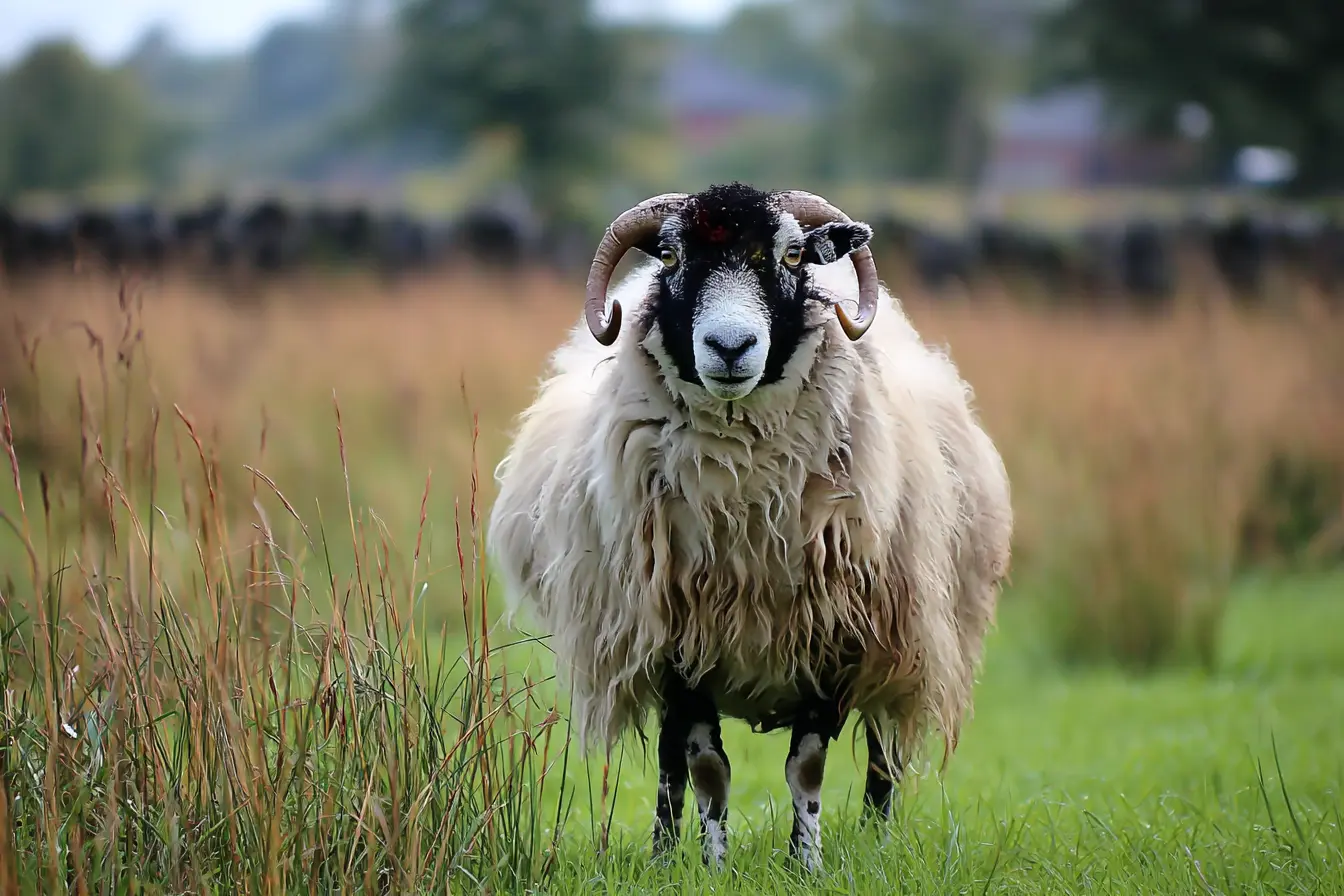
Swaledale sheep are one of the most recognisable and resilient hill breeds in the UK, famed for their distinctive appearance, toughness, and ability to thrive in some of the harshest farming environments. With their bold white facial markings, dark fleece, and strong maternal instincts, Swaledales are a cornerstone of traditional upland sheep farming, particularly in northern England.
This guide explores everything you need to know about Swaledale sheep, including their history, characteristics, housing, feeding, health care, breeding, and general management.
A Brief History of Swaledale Sheep
Swaledale sheep originate from the upland valleys of Swaledale in the Yorkshire Dales, an area characterised by steep slopes, thin soils, and severe weather. The breed developed naturally over centuries to cope with cold winds, heavy rainfall, and sparse grazing.
By the 18th century, Swaledales were firmly established as one of the UK’s leading hill breeds. Their ability to survive and produce lambs in extreme conditions made them invaluable to upland farming systems. Today, Swaledales remain a vital breed in the UK sheep industry and play an important role in producing mule and crossbred ewes.
Key Characteristics of Swaledale Sheep
Swaledale sheep are instantly recognisable and possess traits that make them ideally suited to hill farming.
- Appearance: Dark brown to black fleece with distinctive white markings around the eyes, nose, and muzzle, often described as “spectacles”.
- Horns: Both rams and ewes have strong, curved horns.
- Size: Medium-sized hill sheep. Ewes typically weigh 45–60kg, while rams can reach 70–90kg.
- Temperament: Alert, hardy, and independent, though generally calm when accustomed to handling.
- Hardiness: Exceptionally hardy and capable of surviving in exposed, high-altitude environments.
- Wool Quality: Coarse, strong fleece suitable for carpets, rugs, and insulation.
- Meat Quality: Produces lean, flavoursome lamb, often used in traditional hill lamb systems.
Housing for Swaledale Sheep
Swaledale sheep are extremely well adapted to outdoor living and require minimal housing.
Shelter Requirements
- Natural Shelter: Hills, dry-stone walls, banks, and natural dips provide sufficient protection.
- Field Shelters: Rarely needed but useful during extreme weather or for veterinary management.
- Winter Housing: Typically unnecessary, even in severe winter conditions, provided adequate grazing is available.
Fencing
- Hefting System: Traditionally managed using hefting, where sheep remain on their allocated grazing areas without fencing.
- Secure Fencing: Where fencing is required, strong sheep fencing or electric fencing is effective.
- Boundary Maintenance: Essential to prevent straying in open hill systems.
Feeding Swaledale Sheep
Swaledale sheep are efficient grazers and thrive on rough upland pasture.
Diet
- Rough Grazing: Well suited to moorland, fell, and unimproved pasture.
- Winter Feeding: Hay, silage, or forage blocks may be provided during prolonged snow cover.
- Concentrates: Rarely required, except for thin ewes or in extreme conditions.
- Minerals: Access to sheep-specific mineral supplements may be required, depending on local deficiencies.
Water
- Continuous access to clean water is essential, even in extensive systems.
Breeding Swaledale Sheep
Swaledales are valued for their fertility, longevity, and strong mothering ability.
Breeding Characteristics
- Age to Breed: Ewes are usually bred from 18 months of age.
- Gestation Period: Approximately 147 days.
- Lambing: Typically takes place outdoors in spring with minimal intervention.
Care of Lambs
- Lambs are hardy, quick to stand, and well suited to harsh conditions.
- Ewes are highly protective and attentive mothers.
- Lamb losses are generally low in well-managed flocks.
Health Care for Swaledale Sheep
Swaledale sheep are robust but still benefit from routine health management.
Vaccinations
Work with your vet to establish a suitable vaccination programme, commonly including:
- Clostridial diseases
- Pasteurellosis
Parasite Control
- Swaledales often have good natural resistance to parasites.
- Use faecal egg counts to guide worming decisions.
- Monitor for liver fluke in wet grazing areas.
Hoof Care
- Foot Trimming: Rarely required due to natural wear on rough terrain.
- Foot Health: Low incidence of lameness, though wet lowland conditions can increase risk.
Common Health Issues
- Flystrike: Risk is lower than in long-fleeced breeds but still present in warm weather.
- Copper Sensitivity: Like most sheep, Swaledales are sensitive to copper.
- Winter Hardship: Body condition should be monitored in severe weather.
Wool and Fleece Management
Swaledale fleece is functional and well suited to traditional uses.
- Shearing: Usually once per year.
- Fleece Uses: Commonly used for carpets, rugs, mattress stuffing, and insulation.
- Coloured Wool: Natural dark fleece is popular for rustic and heritage textile products.
Behaviour and Handling
Swaledale sheep are shaped by generations of hill living.
- Hefting Behaviour: Strong attachment to home grazing areas.
- Handling: Calm, patient handling is most effective.
- Gathering: Skilled dogs are often used in traditional systems.
- Adaptability: Can adapt to lower ground with appropriate management.
Why Choose Swaledale Sheep?
Swaledale sheep offer numerous benefits for upland and extensive systems:
- Exceptional Hardiness: Thrives in harsh, exposed environments.
- Low Input Requirements: Minimal feeding and housing needed.
- Excellent Mothering Ability: High lamb survival rates.
- Strong Crossbreeding Value: Produces high-quality mule and crossbred ewes.
- Cultural Significance: Deeply embedded in British upland farming heritage.
Conclusion
Swaledale sheep are a true symbol of British hill farming, combining resilience, intelligence, and productivity in some of the most challenging agricultural landscapes. Their ability to thrive where few other breeds can makes them invaluable to upland farming systems and conservation grazing alike.
With appropriate grazing management, basic health care, and respect for their natural behaviours, Swaledale sheep can flourish with minimal intervention. By choosing Swaledales, you are supporting a breed with a rich history, proven performance, and an enduring role in the future of UK sheep farming.
Contents

Vets near you
Speciality vets
- Aquatics vet specialists
- Birds vet specialists
- Camelids vet specialists
- Cats vet specialists
- Cattle vet specialists
- Deer vet specialists
- Dogs vet specialists
- Equines vet specialists
- Exotic vet specialists
- Goats vet specialists
- Pigs vet specialists
- Poultry vet specialists
- Sheep vet specialists
- Small Mammals vet specialists
- Wild vet specialists
Vet facilities
- Accessible by public transport
- Blood testing
- Car park nearby
- Client car park
- Dentistry
- Diagnostic imaging
- Disabled public access
- Flea and worm treatments
- Microchipping
- Mobile services
- Neutering
- Open at weekends
- Out-of-hours service
- Referral interests
- Referrals only
- Street parking outside
- Toilets available
- Vaccinations