A Complete Guide to Caring for Valais Blacknose Sheep
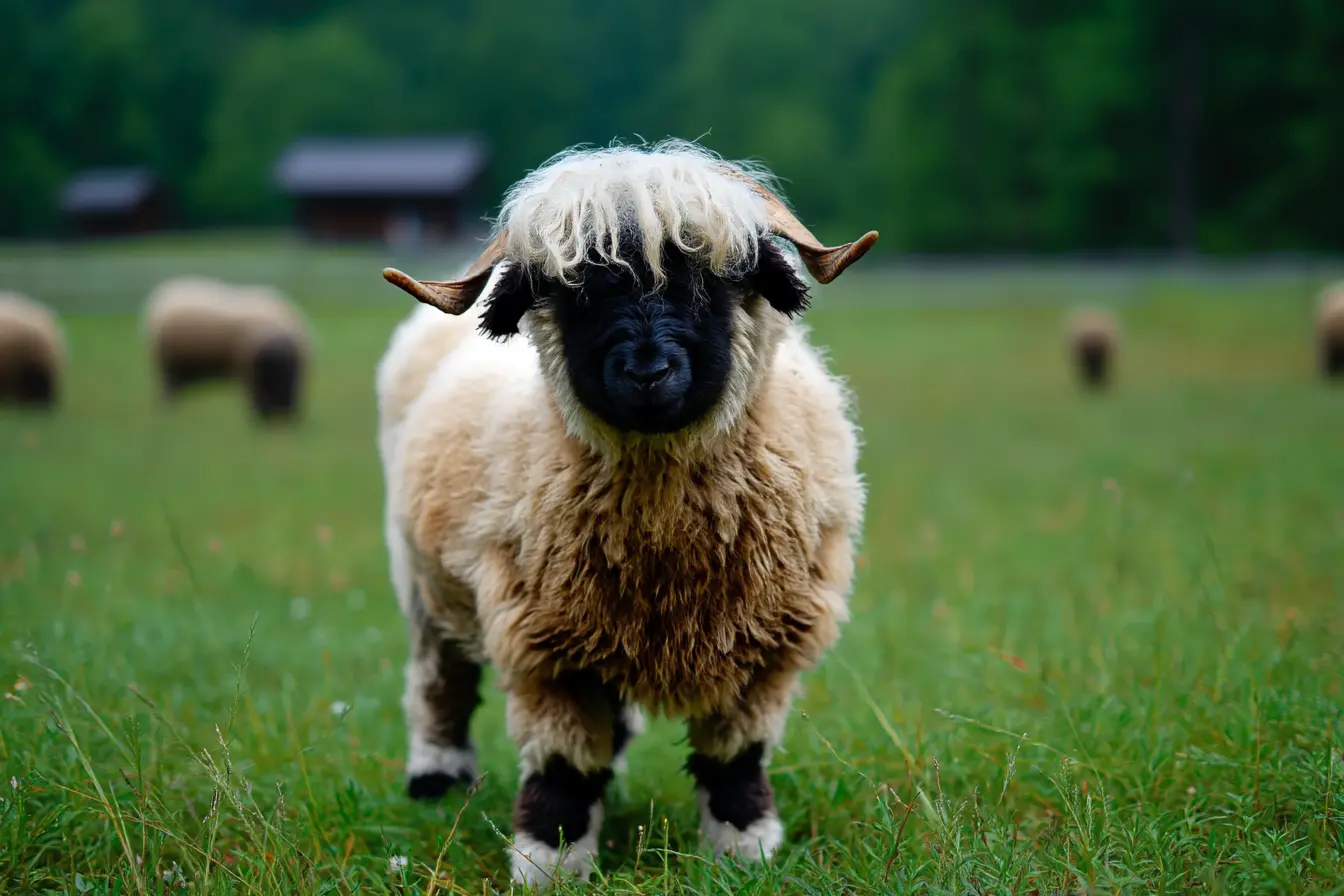
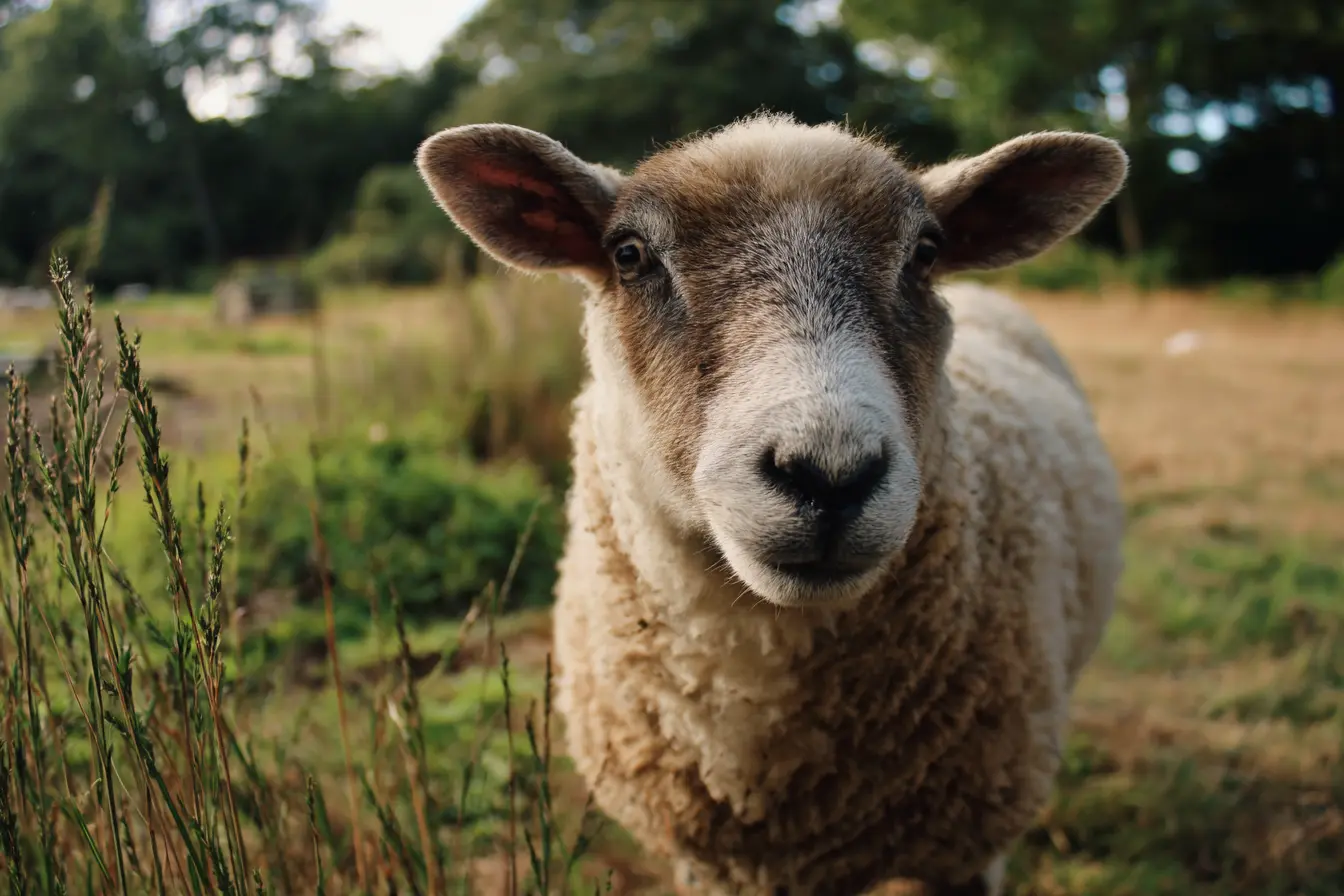
Valais Blacknose sheep are often described as the world’s cutest sheep, thanks to their fluffy white fleece, striking black markings, and friendly expressions. Originating from the Swiss Alps, this distinctive breed has gained huge popularity in the UK in recent years, particularly among smallholders, hobby farmers, and those looking for a visually impressive and personable flock.
Despite their teddy bear appearance, Valais Blacknose sheep are a robust mountain breed with specific care requirements. This guide provides a detailed overview of their history, characteristics, housing, feeding, health care, breeding, and general management to help you decide whether they are the right sheep for you.
A Brief History of Valais Blacknose Sheep
Valais Blacknose sheep (Walliser Schwarznasenschaf) originate from the Valais region of Switzerland, where they have been bred for centuries in the high Alpine environment. They were traditionally kept for meat, wool, and skins, and were valued for their ability to thrive in cold, mountainous conditions.
The breed was first imported into the UK in 2014 under strict regulations, and since then has seen rapid growth in popularity. Although still relatively rare, Valais Blacknose sheep are now firmly established in the UK and are recognised for both their appearance and their productivity.
Key Characteristics of Valais Blacknose Sheep
Valais Blacknose sheep are instantly recognisable and possess a combination of aesthetic appeal and practical traits.
- Appearance: Large, curly white fleece with distinctive black markings on the nose, around the eyes, ears, knees, hocks, and feet. Both rams and ewes are horned, with impressive spiralled horns.
- Size: A large breed. Ewes typically weigh 70–90kg, while rams can exceed 100kg.
- Temperament: Exceptionally friendly, calm, and inquisitive. They are often described as dog-like in nature.
- Hardiness: Well adapted to cold climates and exposed ground, though they require more management in wet UK conditions.
- Wool Quality: Long, coarse fleece that is primarily used for carpets, rugs, and speciality wool products.
- Meat Quality: Produces good-quality lamb with a mild flavour, though meat production is often secondary for UK keepers.
Housing for Valais Blacknose Sheep
Although hardy, Valais Blacknose sheep are less suited to year-round outdoor living in wet, muddy conditions compared to traditional UK hill breeds.
Shelter Requirements
- Field Shelter: Access to a well-drained field shelter is strongly recommended, particularly in winter.
- Winter Housing: Many UK keepers house Valais Blacknose sheep during prolonged wet weather to protect fleece quality and foot health.
- Ventilation: Housing must be well ventilated to prevent respiratory issues.
- Bedding: Use clean, dry straw and replace regularly to avoid fleece contamination and foot problems.
Fencing
- Strong Fencing: Due to their size and horns, secure fencing is essential.
- Electric Fencing: Effective for strip grazing and pasture management.
- Space: Allow plenty of room around gateways and feeders to prevent horn entanglement.
Feeding Valais Blacknose Sheep
Valais Blacknose sheep are good doers but, as a large breed, require careful nutritional management to avoid obesity.
Diet
- Pasture: Good-quality grass pasture is the foundation of their diet.
- Hay or Haylage: Required during winter or when grass availability is low.
- Concentrates: Often needed for pregnant and lactating ewes, but should be carefully measured.
- Minerals: Provide a sheep-specific mineral lick, paying particular attention to copper levels (sheep-safe only).
Water
- Fresh, clean water must be available at all times. Large sheep drink more, particularly when housed or fed dry forage.
Breeding Valais Blacknose Sheep
Valais Blacknose sheep are seasonal breeders and generally lamb well, though their size and fleece require additional consideration.
Breeding Tips
- Age to Breed: Ewes are usually bred from 18–24 months.
- Gestation Period: Around 147 days.
- Lambing: Usually straightforward, but due to lamb size, monitoring is important.
Care of Lambs
- Lambs are born with black markings that fade as they age.
- Ensure prompt intake of colostrum.
- Lambs may need assistance finding the teat due to heavy fleece around the udder.
Health Care for Valais Blacknose Sheep
Good health care is essential, particularly due to their fleece and foot structure.
Vaccinations
Work with your vet to establish a suitable vaccination programme, commonly including:
- Clostridial diseases
- Pasteurellosis
Parasite Control
- Regular monitoring using faecal egg counts.
- Flystrike prevention is critical due to dense fleece.
- External parasites such as lice and mites should be checked for routinely.
Hoof Care
- Regular Trimming: Valais Blacknose sheep require frequent foot trimming.
- Foot Rot: Particularly susceptible in wet conditions; good drainage and hygiene are essential.
Common Health Issues
- Flystrike: High risk due to thick fleece.
- Lameness: Can be an issue if feet are not well managed.
- Heat Stress: Heavy fleece can cause overheating in warm weather.
- Obesity: Careful feeding is required to prevent excessive weight gain.
Fleece Care and Grooming
Fleece care is a significant part of owning Valais Blacknose sheep.
- Shearing: Typically shorn once per year, though some owners shear twice.
- Dagging: Regular removal of soiled fleece around the rear is essential.
- Grooming: Many owners wash and brush fleece for showing or breeding stock.
Behaviour and Handling
Valais Blacknose sheep are exceptionally people-friendly and easy to handle.
- Docile Nature: Ideal for beginners and smallholders.
- Handling: Calm handling is still important due to their size and horns.
- Training: They respond well to routine and can be trained to lead on a halter.
Why Choose Valais Blacknose Sheep?
Valais Blacknose sheep are an excellent choice for those seeking a distinctive and engaging breed:
- Striking Appearance: Instantly recognisable and highly photogenic.
- Friendly Temperament: Ideal for hobby farms and public-facing settings.
- Strong Breed Demand: High value for breeding stock.
- Hardy Origins: Well suited to cooler climates with appropriate management.
- Versatile Use: Suitable for wool, breeding, showing, and small-scale meat production.
Conclusion
Valais Blacknose sheep are a unique and charismatic breed that combine visual appeal with a calm, friendly nature. While they require more hands-on management than many traditional UK breeds, particularly in relation to fleece, feet, and housing, the rewards are significant for committed owners.
With the right care, nutrition, and health management, Valais Blacknose sheep can thrive in the UK and become a much-loved centrepiece of any smallholding. By understanding their specific needs and planning accordingly, you can enjoy keeping one of the most distinctive and endearing sheep breeds in the world.
Contents
- A Brief History of Valais Blacknose Sheep
- Key Characteristics of Valais Blacknose Sheep
- Housing for Valais Blacknose Sheep
- Feeding Valais Blacknose Sheep
- Breeding Valais Blacknose Sheep
- Health Care for Valais Blacknose Sheep
- Fleece Care and Grooming
- Behaviour and Handling
- Why Choose Valais Blacknose Sheep?
- Conclusion
Vets near you
Speciality vets
- Aquatics vet specialists
- Birds vet specialists
- Camelids vet specialists
- Cats vet specialists
- Cattle vet specialists
- Deer vet specialists
- Dogs vet specialists
- Equines vet specialists
- Exotic vet specialists
- Goats vet specialists
- Pigs vet specialists
- Poultry vet specialists
- Sheep vet specialists
- Small Mammals vet specialists
- Wild vet specialists
Vet facilities
- Accessible by public transport
- Blood testing
- Car park nearby
- Client car park
- Dentistry
- Diagnostic imaging
- Disabled public access
- Flea and worm treatments
- Microchipping
- Mobile services
- Neutering
- Open at weekends
- Out-of-hours service
- Referral interests
- Referrals only
- Street parking outside
- Toilets available
- Vaccinations