A Complete Guide to Breeding Polled Sheep
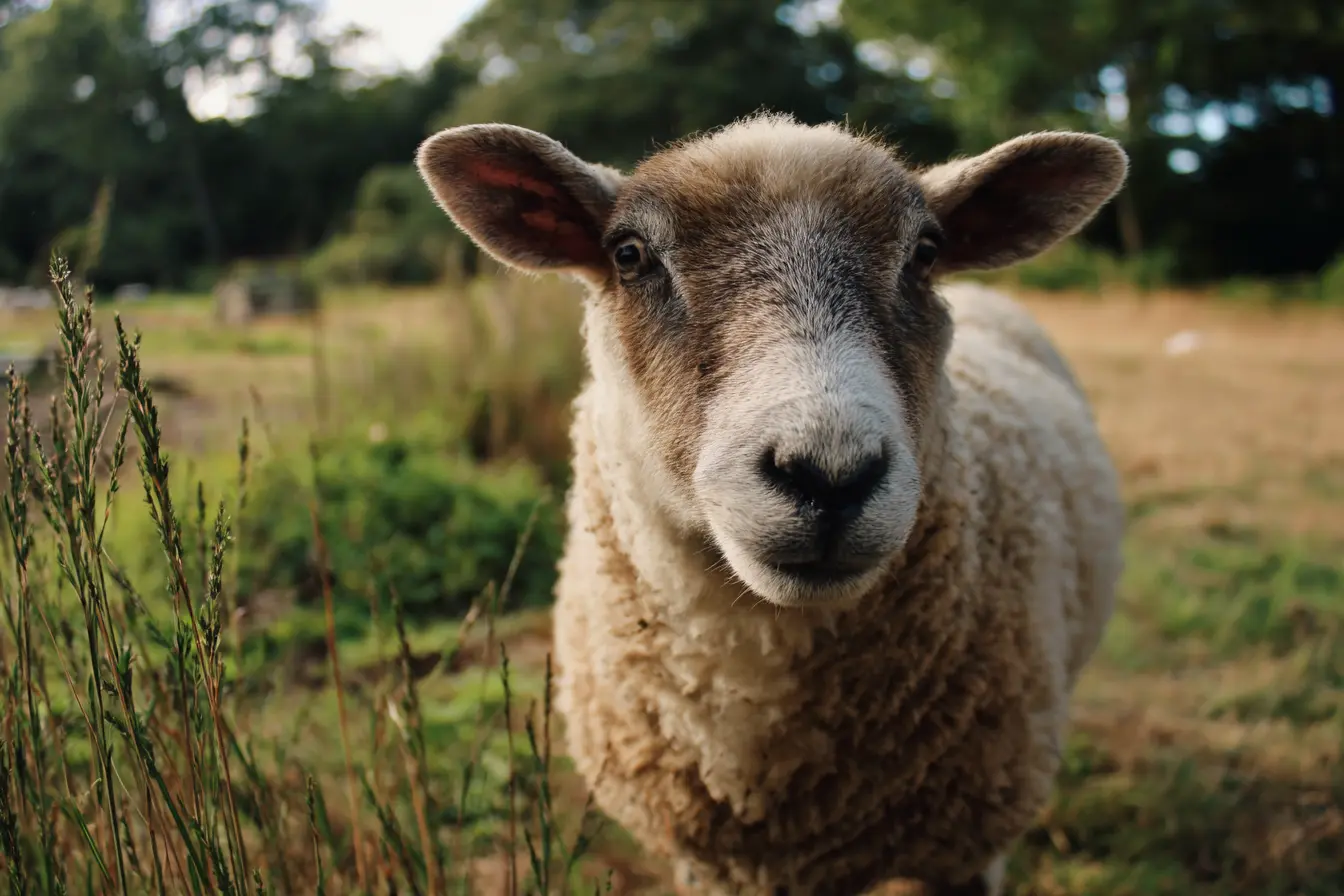
Polled sheep are sheep that are naturally born without horns. Breeding for the polled trait has become increasingly popular in the UK, especially among commercial flocks, because it improves safety, welfare, and ease of management, while removing the need for disbudding or dehorning.
Unlike in goats, there are no intersex or fertility risks linked to the polled gene in sheep, making it a safe and straightforward breeding objective. This guide explains everything you need to know about breeding polled sheep including the genetics of the trait, breed considerations, strategies for introducing it, and welfare and management implications.
What Does Polled Mean?
- Polled sheep are born without horn buds and never grow horns.
- Horned sheep have horn buds from birth which grow into full horns.
- Scurred sheep may develop small, loose, horn-like growths (scurs), which are more common in males and can appear even in polled lines.
Breeding for polled sheep eliminates the need for horn removal procedures and reduces the risk of horn-related injuries.
Genetics of Polledness in Sheep
The inheritance of the polled trait in sheep is sex-influenced:
- The polled (hornless) gene is dominant, but its expression depends on sex and breed.
- In many traditional breeds (like Dorset Horn), rams are horned while ewes are naturally polled, despite carrying the same genes.
- In many modern breeds (like Suffolk or Texel), both sexes are naturally polled.
Key points about the genetics:
- Mating two polled sheep will usually produce all polled offspring.
- Mating a polled ram to horned ewes often produces a mix of polled and horned lambs (especially horned rams and polled ewes).
- Breeds vary in how strongly the polled trait is expressed, so results depend on the genetic background of your flock.
There are no known negative health effects from being polled.
Breeds That Are Naturally Polled
Many common UK breeds are naturally polled, including:
- Suffolk
- Texel
- Cheviot
- Romney
- Poll Dorset (a selectively bred polled strain of the Dorset breed)
- Poll Merino (mainly in Australia)
- Mule and other crossbred commercial ewes
These breeds can be used directly to establish a polled flock or to introduce the polled gene into horned breeds by crossbreeding.
Breeding Strategy for Polled Sheep
If you are starting with horned sheep and want to breed polled animals, follow a structured plan:
Step 1 – Introduce Polled Genetics
- Use a polled ram (from a polled or poll-carrying line) on your horned ewes.
- Expect a mixture of polled and horned offspring, depending on the breed.
Step 2 – Select Polled Offspring
- Retain polled ewe lambs and ram lambs from the first generation for breeding.
- Identify lambs early. Polled lambs have flat, smooth heads where horn buds would be, while horned lambs have small raised horn buds from birth.
Step 3 – Breed Polled to Polled
- In the second generation, breed polled rams to polled ewes.
- This will increase the proportion of polled lambs and help fix the trait in your flock.
Step 4 – Continue Selection
- Over several generations, select only polled breeding stock to move towards an entirely polled flock.
- Monitor for scurs, especially in males, and cull if they cause management issues.
Step 5 – Maintain Genetic Quality
- Do not focus solely on the polled trait. Continue to select for growth, fertility, mothering ability, conformation, and wool quality.
- Use multiple rams or new bloodlines to maintain genetic diversity and avoid inbreeding.
Advantages of Breeding Polled Sheep
- Eliminates the need for horn removal which is painful and time-consuming.
- Improved safety for handlers and other sheep - less risk of goring injuries.
- Easier handling and housing with fewer animals getting trapped in fences or feeders.
- Reduced carcass and hide damage caused by horn clashes.
- Positive public perception. Polling shows proactive attention to animal welfare.
- Improved productivity - less stress and fewer injuries can improve growth and reproductive performance.
Potential Challenges
- Scurs: Some polled males can develop scurs that may need trimming.
- Breed standards: In pedigree horned breeds (like Dorset Horn, Hebridean, or Swaledale), horns are part of the breed standard, so introducing polled genetics may affect registration.
- Slower transition: Moving from fully horned to fully polled may take several generations if starting from scratch.
Welfare Considerations
- Breeding for polledness is considered a high-welfare practice, as it prevents the need for disbudding or dehorning.
- Horn removal is painful and carries a risk of infection and stress. Breeding polled sheep eliminates this need.
- Avoid unnecessary handling stress when checking lambs for horn buds or selecting polled breeding stock.
Conclusion
Breeding polled sheep is a safe and effective way to improve welfare, safety, and ease of management in your flock. By introducing polled genetics, selecting polled offspring, and gradually breeding for the trait, you can build a flock that no longer requires horn removal and is easier to handle.
If you are breeding pedigree horned sheep, always check your breed society’s rules before introducing polled bloodlines, as it may affect registration.
Polled breeding is a long-term strategy, but with careful selection it can bring lasting welfare and management benefits to your flock.
Vets near you
Speciality vets
- Aquatics vet specialists
- Birds vet specialists
- Camelids vet specialists
- Cats vet specialists
- Cattle vet specialists
- Deer vet specialists
- Dogs vet specialists
- Equines vet specialists
- Exotic vet specialists
- Goats vet specialists
- Pigs vet specialists
- Poultry vet specialists
- Sheep vet specialists
- Small Mammals vet specialists
- Wild vet specialists
Vet facilities
- Accessible by public transport
- Blood testing
- Car park nearby
- Client car park
- Dentistry
- Diagnostic imaging
- Disabled public access
- Flea and worm treatments
- Microchipping
- Mobile services
- Neutering
- Open at weekends
- Out-of-hours service
- Referral interests
- Referrals only
- Street parking outside
- Toilets available
- Vaccinations