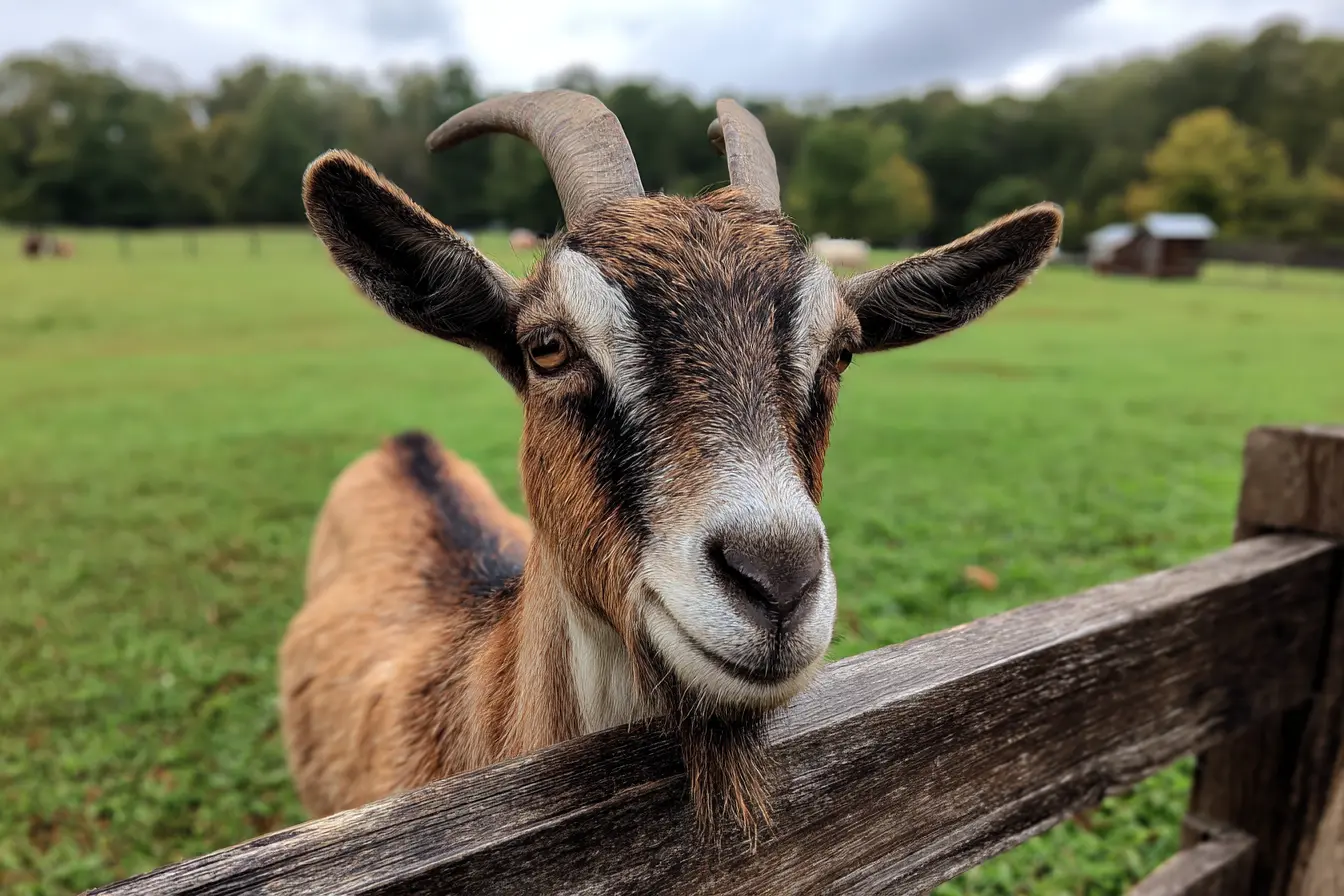
A Complete Guide to Dehorning in Adult Goats
Dehorning is the surgical removal of fully developed horns in goats. Unlike disbudding, which is done in very young kids before the horns attach to the skull, dehorning is an invasive and painful procedure that carries significant risks. It is generally only performed when absolutely necessary, such as for medical reasons or to correct horn injuries.
In the UK, dehorning is a veterinary-only procedure that must be done under general anaesthetic, due to the complexity, risk of complications, and the severe pain it can cause. This guide explains everything goat keepers need to know about dehorning adult goats including when it is necessary, legal requirements, the procedure, aftercare, and welfare considerations.
Why Dehorning is Sometimes Necessary
Horns are living structures made up of keratin overlying bone, with a blood supply and nerves inside. Once horns are fully developed, they are firmly attached to the skull and connected to the frontal sinuses, which makes their removal complex and risky.
Dehorning is only carried out when there is a compelling veterinary reason, such as:
- Horns broken, cracked, or infected.
- Horns growing towards the skull or eyes and causing injury.
- Severe trauma or abscesses affecting the horn base.
- Behavioural or management problems where horns pose a serious ongoing risk to other animals or people (as a last resort).
Routine dehorning for convenience is not recommended and raises serious welfare concerns. Disbudding kids early in life is the preferred method of horn control.
Legal Requirements in the UK
Dehorning goats is strictly regulated under the Animal Welfare Act 2006 and related legislation:
- Only a veterinary surgeon may perform dehorning on goats.
- The procedure must be carried out under general anaesthetic.
- It is illegal for anyone who is not a vet to dehorn goats.
- Goats must be given appropriate pain relief before, during, and after the procedure.
These rules exist because dehorning is a major surgical procedure with significant pain and risk if done incorrectly.
When Dehorning Should Be Considered
Before dehorning is attempted, all other management options should be explored. It should only be considered when:
- The horn poses a direct welfare risk to the goat (e.g. ingrown horn pressing into the skull or eye).
- There is a persistent horn injury or infection that cannot heal.
- The goat has a horn abscess or sinus infection at the horn base.
- A veterinary surgeon has examined the goat and confirmed dehorning is necessary.
In most other situations, safer alternatives such as trimming horn tips or managing the goat with horns (by changing housing or fencing) should be tried first.
The Dehorning Procedure
Because dehorning must be carried out by a veterinary surgeon, the following is an overview of what typically happens:
- Pre-operative assessment
- The goat is examined to assess general health and suitability for anaesthesia.
- Bloodwork may be done if the goat is older or unwell.
- General anaesthesia
- The goat is placed under full anaesthetic so it feels no pain.
- Pain relief (NSAIDs) and antibiotics are usually given at this stage.
- Surgical removal
- The skin around the horn is clipped and disinfected.
- The horn is removed using a saw or wire, cutting through the bony horn core.
- Because the horn connects to the frontal sinus, care is taken not to damage the brain or surrounding tissues.
- Haemostasis and sinus care
- Bleeding is controlled, and the sinus cavity is cleaned and packed to prevent infection.
- Wound dressing
- The site is dressed and protected to reduce contamination.
The procedure is complex, invasive, and carries a risk of heavy bleeding, infection, and sinus complications which is why it is only performed when absolutely necessary.
Aftercare
Aftercare is crucial for recovery and to prevent complications:
- Keep the goat in a clean, dry, dust-free pen until initial healing has occurred.
- Monitor daily for signs of bleeding, swelling, infection, or discharge.
- Continue pain relief and antibiotics as prescribed by the vet.
- Avoid sudden movements, climbing, or butting while the wounds heal.
- Healing can take 4 to 6 weeks, and full horn regrowth will not occur.
The wounds should be left open to drain naturally but kept clean and protected from flies during summer.
Potential Complications
Dehorning adult goats carries significant risks, including:
- Severe bleeding during or after surgery.
- Infection or sinusitis at the horn site.
- Flystrike if wounds are exposed during warm weather.
- Thermal injury or trauma to the brain if not done carefully.
- Prolonged recovery and pain.
Because of these risks, dehorning is only used as a last resort under veterinary care.
Alternatives to Dehorning
- Disbudding kids at 3–10 days old prevents horn growth and is far less invasive.
- Horn tipping (trimming sharp horn tips) can reduce risk of injury without full removal.
- Management adjustments: use wider-spaced fencing, safer feeders, and avoid overcrowding to reduce the risk of horn-related injuries.
- Breeding polled goats (naturally hornless) can reduce the need for disbudding and eliminate the need for dehorning, though care is needed to avoid fertility issues linked to polled genetics.
Welfare Considerations
- Dehorning causes significant pain, bleeding, and stress, and must be justified by clear welfare benefits to the individual goat.
- Anaesthesia and pain relief are essential.
- The decision should always be made in consultation with a veterinary surgeon.
- Preventive strategies (disbudding, polled breeding, safe housing) are preferable from both welfare and management perspectives.
Conclusion
Dehorning adult goats is a complex, high-risk surgical procedure that must only be carried out by a veterinary surgeon under general anaesthetic, and only when medically or behaviourally necessary. It carries a significant risk of complications and requires extensive aftercare.
Wherever possible, dehorning should be avoided through early disbudding, breeding strategies, and good management practices. If it becomes unavoidable, careful planning with your vet, excellent hygiene, and diligent aftercare are essential to safeguard both the welfare of the goat and the success of the procedure.
Vets near you
Speciality vets
- Aquatics vet specialists
- Birds vet specialists
- Camelids vet specialists
- Cats vet specialists
- Cattle vet specialists
- Deer vet specialists
- Dogs vet specialists
- Equines vet specialists
- Exotic vet specialists
- Goats vet specialists
- Pigs vet specialists
- Poultry vet specialists
- Sheep vet specialists
- Small Mammals vet specialists
- Wild vet specialists
Vet facilities
- Accessible by public transport
- Blood testing
- Car park nearby
- Client car park
- Dentistry
- Diagnostic imaging
- Disabled public access
- Flea and worm treatments
- Microchipping
- Mobile services
- Neutering
- Open at weekends
- Out-of-hours service
- Referral interests
- Referrals only
- Street parking outside
- Toilets available
- Vaccinations