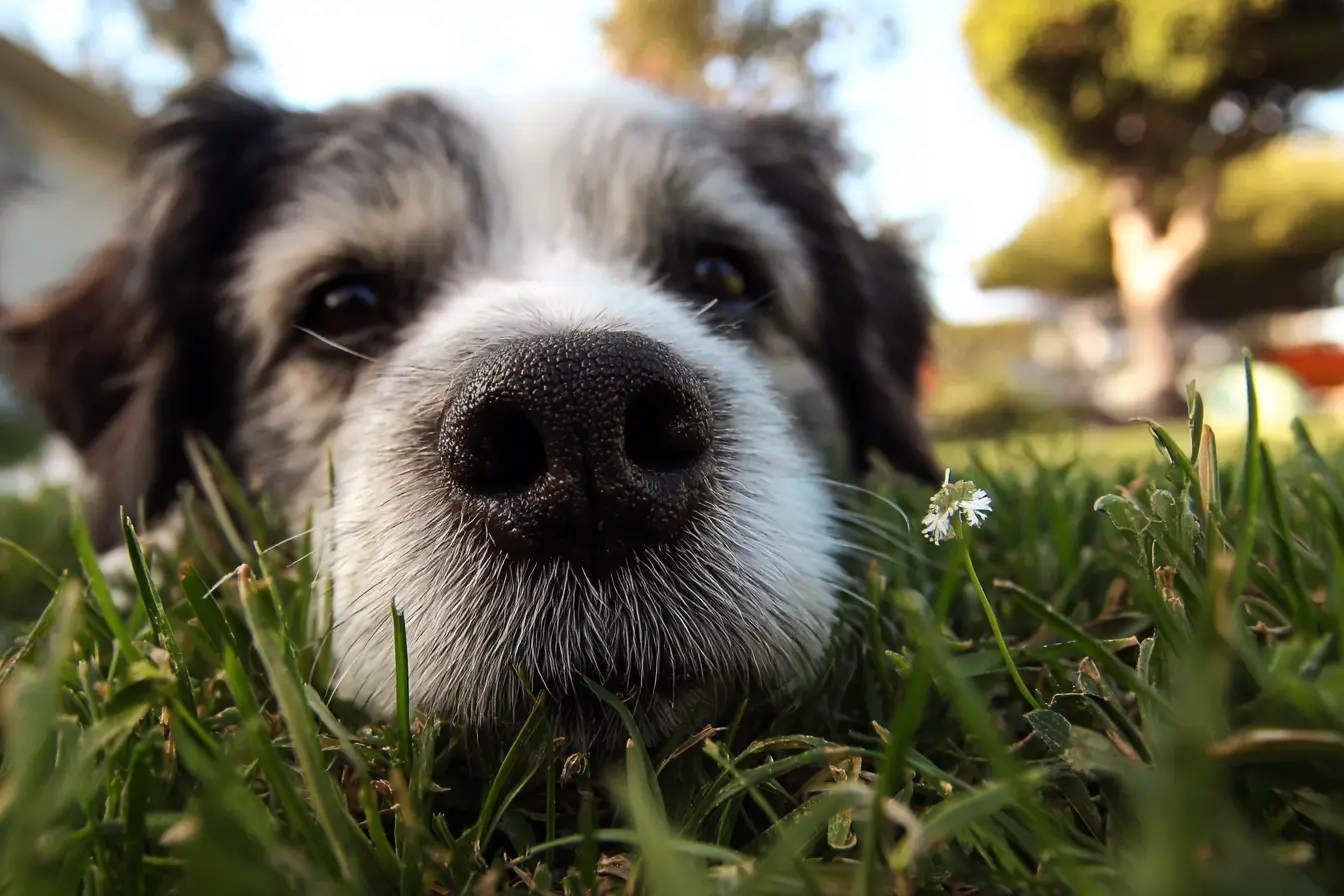
If you have ever watched your dog suddenly stop on a walk to chew on a clump of grass, you are not alone. For many owners, grass-eating can be confusing or worrying, especially if it happens often or is followed by vomiting. Is it normal behaviour? Is your dog lacking something in their diet? Or is it a sign of illness?
The reassuring news is that grass-eating is extremely common in dogs and, in most cases, perfectly normal. However, there are several reasons why dogs do it, and understanding those reasons can help you decide whether it is harmless or something that needs attention.
This guide explores everything dog owners might want to know about why dogs eat grass, what it means, and how to respond.
Is It Normal for Dogs to Eat Grass?
Yes. Grass-eating is considered a normal canine behaviour. Studies have shown that the majority of dogs eat grass occasionally, even when they are healthy and well fed. It occurs across all breeds, sizes, and ages.
Many dogs that eat grass show no signs of illness before or after, and most do not vomit as a result. This suggests that grass-eating is not always linked to stomach upset or nutritional deficiency.
Common Reasons Dogs Eat Grass
Natural Instincts and Ancestral Behaviour
Dogs are descended from wild canids whose diets were not limited to meat alone. Wolves and wild dogs consume the stomach contents of prey animals, which often include grasses and plant material. They may also eat plants directly.
Grass-eating may therefore be a natural, instinctive behaviour that has persisted even though modern dogs eat commercial diets.
Enjoyment and Curiosity
Some dogs simply like the taste or texture of grass. Young grass in spring is often soft, sweet, and appealing. Dogs explore the world with their mouths, and chewing grass can be a form of sensory exploration or boredom relief.
Dogs that eat grass selectively, choosing certain patches or types, are often doing it for enjoyment rather than necessity.
Digestive Comfort
Grass contains fibre, which can aid digestion. Some dogs may eat grass to help move things along in their digestive system, especially if they are slightly constipated.
While it is commonly believed that dogs eat grass to make themselves vomit, research suggests this is not usually the case. Most dogs that eat grass do not vomit afterwards, and many do not appear unwell beforehand.
Mild Stomach Upset or Nausea
In some cases, dogs may eat grass when they feel mildly nauseous or uncomfortable. Vomiting after eating grass can happen, but it is not the most common outcome.
If your dog frequently eats grass and then vomits, particularly if this is new behaviour, it may be worth investigating further.
Nutritional Factors
Although rare in dogs fed complete commercial diets, some dogs may seek out plant material if their diet is lacking fibre or certain micronutrients.
This is more likely in dogs fed unbalanced homemade diets or very restricted diets. However, grass-eating alone is not strong evidence of a dietary deficiency.
Stress, Anxiety, or Boredom
Grass-eating can sometimes be a displacement behaviour. Dogs that are anxious, under-stimulated, or bored may chew grass as a coping mechanism.
This is more likely if grass-eating happens frequently, seems compulsive, or occurs alongside other stress-related behaviours such as pacing, licking, or chewing objects.
Puppies and Grass-Eating
Puppies are especially likely to eat grass. This is usually due to curiosity and exploration rather than any underlying problem. Most puppies grow out of frequent grass-eating as they mature.
As long as your puppy is healthy, growing well, and not showing signs of illness, grass-eating is rarely a concern.
Is Eating Grass Dangerous?
Grass itself is not usually harmful, but there are some important risks to be aware of.
Pesticides and Chemicals
Grass treated with herbicides, pesticides, fertilisers, or weed killers can be toxic to dogs. This is one of the biggest dangers associated with grass-eating.
Public parks, verges, and private gardens may all be treated with chemicals. Dogs should be discouraged from eating grass in areas where chemical use is unknown.
Parasites
Grass can carry parasites such as roundworm eggs or lungworm larvae, particularly in areas frequented by other animals. Regular worming helps reduce this risk.
Sharp Seeds and Grass Awns
Certain grasses produce sharp seeds or awns that can lodge in a dog’s mouth, throat, nose, or digestive tract. These can cause irritation, infection, or more serious complications.
Dogs that gulp grass quickly may be at higher risk.
Gastrointestinal Obstruction
Very rarely, eating large amounts of grass can contribute to a blockage, especially in small dogs or those prone to eating non-food items.
When Should You Be Concerned?
Grass-eating is usually harmless, but you should consult your vet if you notice any of the following:
- Frequent vomiting, with or without grass
- Sudden increase in grass-eating behaviour
- Lethargy or weakness
- Loss of appetite or weight loss
- Diarrhoea or constipation
- Signs of pain, bloating, or discomfort
- Compulsive or frantic grass-eating
These signs may indicate an underlying gastrointestinal issue or another health problem that needs assessment.
Should You Stop Your Dog from Eating Grass?
In most cases, there is no need to panic or intervene aggressively. However, sensible management is important.
You may want to discourage grass-eating if:
- You are unsure whether the grass has been chemically treated
- Your dog eats grass obsessively
- Grass-eating regularly leads to vomiting or discomfort
Providing plenty of mental stimulation, exercise, and a balanced diet with adequate fibre can reduce grass-eating if it is linked to boredom or digestive issues.
Never punish your dog for eating grass, as this can increase anxiety and make the behaviour worse.
Can Diet Changes Help?
If grass-eating is frequent or seems linked to digestion, a diet review may help. Increasing dietary fibre, switching to a higher-quality food, or adding vet-approved vegetables can sometimes reduce the urge.
Any dietary changes should be made gradually and ideally discussed with your vet, especially if your dog has a sensitive stomach.
The Bottom Line
Most dogs eat grass occasionally, and for the majority, it is a normal and harmless behaviour. It can be driven by instinct, enjoyment, curiosity, or mild digestive comfort rather than illness.
The key is to look at the whole dog. If your dog is happy, healthy, energetic, and eating well, grass-eating alone is rarely a cause for concern. Staying aware of environmental risks and monitoring for changes in behaviour will help you keep your dog safe and well.
When in doubt, trust your instincts as an owner. If something feels off, a quick chat with your vet can provide reassurance or catch a problem early.
Quick questions
- What should I know about grass-eating?
- Dogs eating grass is common and usually normal. This behaviour may stem from natural instincts, enjoyment, digestible comfort, mild stomach upset, or diet. Grass is not harmful in itself, but risks like pesticides, parasites, or. Vet Verified can help you compare UK veterinary practices by location, species, services and opening hours before you call.
- When should I contact a vet about grass-eating?
- Contact a veterinary practice if your pet seems unwell, symptoms are getting worse, you are unsure what to do, or the situation may be urgent. Vet Verified helps you compare practice details, but a vet should advise on your pet's current care.
- Can Vet Verified help me find dog vets?
- Yes. Use Vet Verified to compare dog vets across the UK, then check practice profiles and call directly to confirm current availability.
Find a vet
Need a vet for this?
Use Vet Verified to compare UK veterinary practices that match this topic, then call the practice directly to confirm current services and availability.