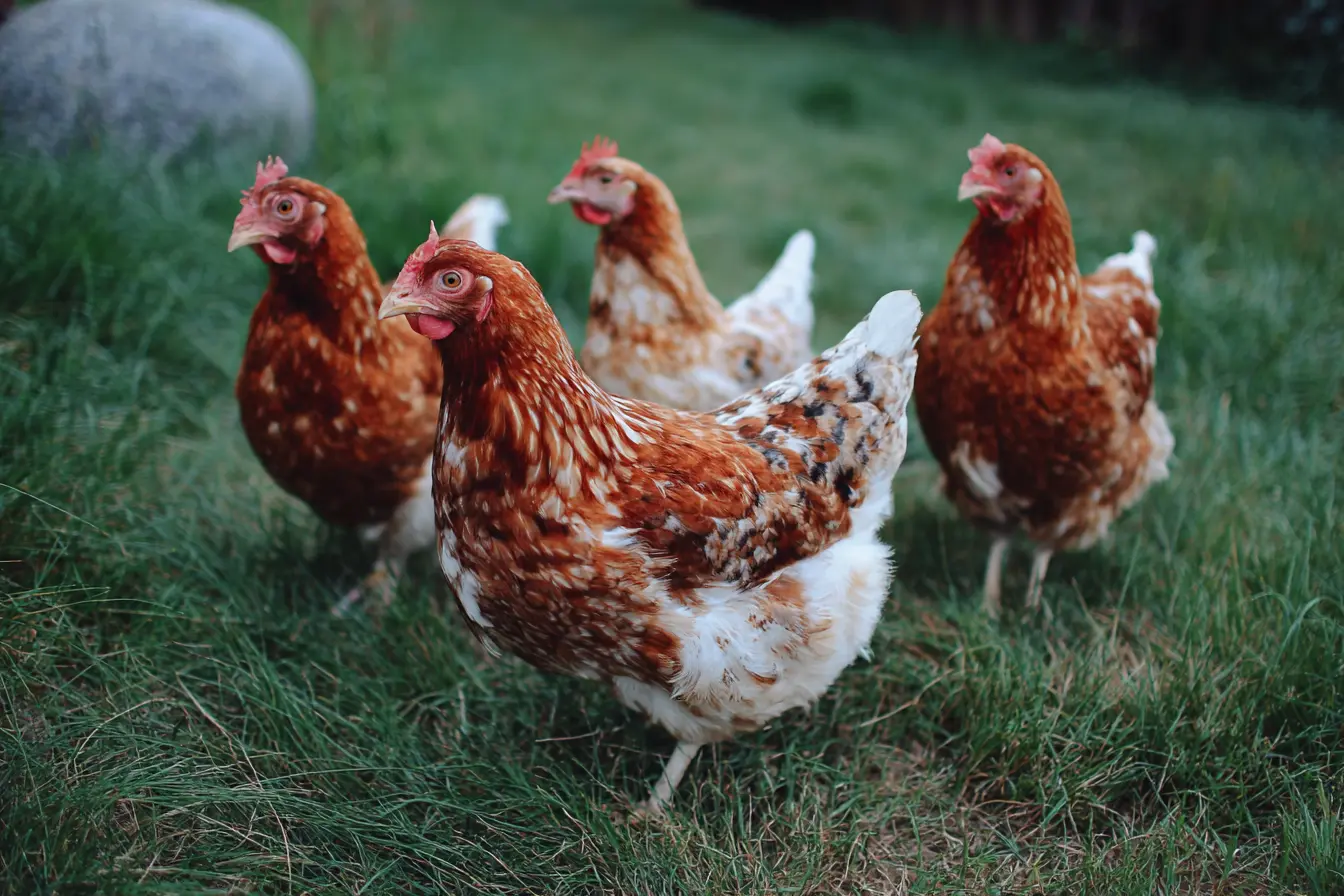
Fruit can be a healthy and enjoyable treat for chickens when fed correctly. While fruit should never replace a chicken’s main diet of balanced layers feed, it can provide vitamins, hydration, and enrichment. Knowing which fruits are safe, how often to offer them, and which to avoid entirely will help keep your flock healthy and productive.
Should Chickens Eat Fruit?
Chickens are omnivores and enjoy a wide variety of foods. In the wild, they naturally consume berries and fallen fruit when available. Fruit is safe for chickens in moderation, but it is high in natural sugars, so it should always be treated as a supplement rather than a staple.
As a general rule, fruit should make up no more than around 5–10% of a chicken’s overall diet.
Safe Fruits for Chickens
Apples
Apples are a popular and nutritious option.
- Remove all seeds and cores, as apple seeds contain cyanide
- Chop into small pieces
- Can be fed raw or cooked (plain)
Pears
Pears are similar to apples in safety and nutrition.
- Remove seeds
- Offer chopped to prevent choking
Berries
Most berries are excellent for chickens and are naturally low in sugar.
Safe berries include:
- Strawberries
- Blueberries
- Raspberries
- Blackberries
- Cranberries
Berries are rich in antioxidants and make excellent occasional treats.
Grapes
Grapes are safe but should always be prepared correctly.
- Cut grapes in half or quarters to prevent choking
- Feed sparingly due to sugar content
Bananas
Bananas are safe in small amounts.
- Remove the peel
- Offer mashed or sliced
- Best fed occasionally due to high sugar
Melon
Most melons are safe and hydrating.
Safe options include:
- Watermelon
- Cantaloupe
- Honeydew
Remove seeds where possible and chop into manageable pieces. Chickens often enjoy pecking at the rind as well.
Stone Fruits
Some stone fruits are safe if prepared carefully.
Safe options include:
- Peaches
- Plums
- Apricots
- Cherries
Always remove stones and pits, as these contain toxins and present a choking hazard.
Mango
Mango is safe for chickens.
- Remove the stone
- Offer flesh in small pieces
Pineapple
Pineapple can be fed occasionally.
- Remove the tough skin
- Chop finely
- Feed sparingly due to acidity and sugar
Fruits Chickens Should Eat Only Occasionally
Some fruits are safe but should be limited due to sugar or acidity.
These include:
- Bananas
- Grapes
- Mango
- Pineapple
- Dried fruit (such as raisins or sultanas)
Dried fruit is especially concentrated in sugar and should only be fed in very small amounts, if at all.
Fruits Chickens Should Not Eat
Citrus Fruits
Citrus fruits can interfere with calcium absorption and may cause digestive upset.
Avoid feeding:
- Oranges
- Lemons
- Limes
- Grapefruit
Small accidental amounts are unlikely to cause harm, but regular feeding should be avoided.
Avocado
Avocado is toxic to chickens.
- Skin, stone, and leaves contain persin
- Flesh may also be unsafe
Never feed avocado in any form.
Fruit Seeds and Stones
Many fruit seeds and stones contain toxins.
Always remove:
- Apple seeds
- Cherry stones
- Peach and plum pits
- Apricot stones
How to Feed Fruit to Chickens Safely
Preparation Tips
- Wash fruit thoroughly to remove pesticides
- Remove seeds, stones, and pits
- Chop fruit into bite-sized pieces
- Remove uneaten fruit promptly to prevent mould
Feeding Methods
- Scatter fruit to encourage natural foraging
- Use a treat hanger or skewer
- Offer fruit in a shallow dish
Avoid leaving fruit on the ground for long periods, especially in warm weather.
How Often Should Chickens Eat Fruit?
Fruit should be fed:
- Once or twice a week
- In small quantities
- After chickens have eaten their main feed
Overfeeding fruit can lead to obesity, reduced egg production, and digestive problems.
Can Chicks Eat Fruit?
Chicks can eat fruit in very small amounts once they are a few weeks old.
Guidelines include:
- Offer very finely chopped fruit
- Introduce slowly
- Avoid citrus and high-sugar fruits
- Ensure chick crumb remains the main food
Fruit should be a rare treat for chicks.
Does Fruit Affect Egg Laying?
In moderation, fruit does not negatively affect egg laying and may provide additional nutrients. However, excessive fruit intake can reduce laying if chickens fill up on treats instead of nutritionally complete feed.
Balance is key.
Common Mistakes to Avoid
- Feeding fruit instead of layers feed
- Offering whole grapes or large chunks
- Leaving fruit to rot in the run
- Feeding mouldy or spoiled fruit
Summary: Fruit and Chickens
- Fruit is a healthy treat when fed in moderation
- Always remove seeds and stones
- Avoid citrus and avocado
- Limit high-sugar fruits
- Keep fruit as a small part of the overall diet
Conclusion
Fruit can be a fun, nutritious addition to your chickens’ diet when offered sensibly. By choosing safe fruits, preparing them properly, and feeding them occasionally, you can provide enrichment and variety without compromising your flock’s health or egg production. As with all treats, moderation and balance are essential.
Quick questions
- What should I know about fruit for chickens?
- Chickens can enjoy fruit as a treat, but it should only make up 5-10% of their diet. Safe fruits include apples, pears, berries, grapes, bananas, melon, stone fruits, mango, and pineapple. Always remove seeds, stones, and pits to. Vet Verified can help you compare UK veterinary practices by location, species, services and opening hours before you call.
- When should I contact a vet about fruit for chickens?
- Contact a veterinary practice if your pet seems unwell, symptoms are getting worse, you are unsure what to do, or the situation may be urgent. Vet Verified helps you compare practice details, but a vet should advise on your pet's current care.
- Can Vet Verified help me find a vet?
- Yes. Use Vet Verified to compare UK veterinary practices by location, species, services and opening hours, then call directly to confirm current availability.
Find a vet
Need a vet for this?
Use Vet Verified to compare UK veterinary practices that match this topic, then call the practice directly to confirm current services and availability.
Find a vet