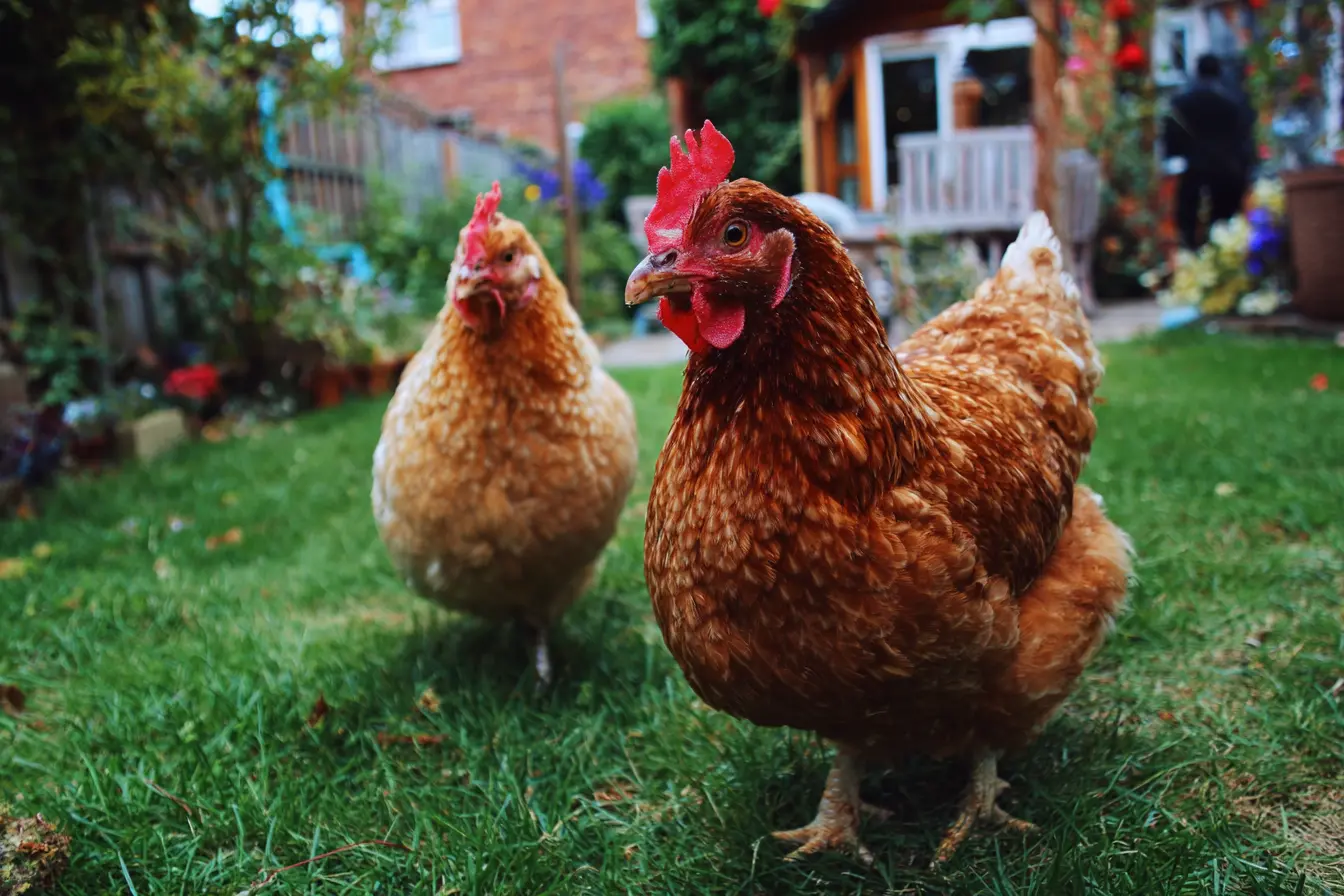
How to Care for Mature Chickens in Your Backyard Flock
As chickens age, their needs begin to change. Mature hens are often calmer, less productive, and more vulnerable to certain health problems than younger birds. However, with proper care, older chickens can remain healthy, comfortable, and happy for many years.
Many backyard keepers form strong bonds with their flock and choose to keep their hens long after egg production slows down. Understanding how to properly care for mature chickens helps ensure they enjoy a good quality of life as they age.
This guide explains how to recognise ageing in chickens, how their needs change over time, and what steps you can take to keep older hens healthy.
What counts as a mature chicken?
Chickens are generally considered mature once they pass their peak egg-laying period. For most breeds, this occurs around two to three years of age.
Typical life stages include:
- Chick: 0–8 weeks
- Pullet or cockerel: 8 weeks to around 20 weeks
- Adult laying hen: around 20 weeks to 2 years
- Mature hen: 2–5 years
- Senior hen: 5 years and older
While chickens can live much longer, their bodies begin to slow down once they reach maturity.
How chickens change as they age
As chickens grow older, you may notice several changes in their behaviour, appearance, and egg production.
Common changes include:
- Reduced egg production
- Larger gaps between laying cycles
- Paler comb and wattles
- Slower movement
- More time spent resting
- Thinner or more fragile feathers
These changes are a natural part of ageing and usually occur gradually.
Feeding mature chickens
Nutrition plays a major role in maintaining the health of older birds.
Most mature hens can continue eating layers pellets, but there are some adjustments that may help support ageing bodies.
Key feeding considerations include:
Provide a balanced diet High-quality layers pellets remain the foundation of a chicken’s diet. Even if hens lay fewer eggs, the nutrients support overall health.
Ensure access to grit Grit helps chickens grind food in their gizzard. Older birds still require grit for proper digestion.
Offer calcium carefully
If hens still lay occasionally, calcium supplements such as oyster shell remain important for strong eggshells.
Add nutritious treats in moderation
Older chickens benefit from healthy extras such as leafy greens, pumpkin, peas, or mealworms, but treats should not replace their main feed.
Keep water clean and accessible
Hydration is essential for digestion, temperature regulation, and overall health.
Housing considerations for older chickens
A safe and comfortable coop becomes even more important as chickens age.
Older hens may struggle with mobility, so small changes can make a big difference.
Lower roosting bars
If your coop has very high perches, older hens may have difficulty jumping up or down. Lower roosts reduce the risk of injury.
Provide soft bedding
Deep bedding such as straw or shavings helps cushion joints and makes the coop more comfortable.
Ensure easy access to food and water
Position feeders and drinkers where older birds can reach them easily.
Maintain good ventilation
Proper airflow prevents respiratory issues while keeping the coop dry.
Managing health issues in older chickens
Age increases the likelihood of certain health problems in chickens. Regular observation helps catch issues early.
Common health concerns in mature hens include:
**Egg-laying disorders ** Conditions such as egg peritonitis, egg binding, or reproductive infections are more common in older layers.
Arthritis and mobility problems
Larger breeds may develop stiff joints or difficulty walking.
Parasites
External parasites such as mites and lice can affect chickens at any age but may be harder for older birds to tolerate.
Weight changes
Some ageing hens lose weight, while others gain excess fat if they become less active.
Routine flock checks can help detect early warning signs.
Monitoring behaviour
Changes in behaviour often signal that something may be wrong.
Watch for signs such as:
- Reduced appetite
- Isolation from the flock
- Unusual posture
- Difficulty walking
- Excessive sleeping during the day
Any sudden change in behaviour should be investigated.
Helping older chickens during winter
Cold weather can be harder on ageing birds. They may struggle more to maintain body temperature.
Ways to help include:
- Ensure the coop stays dry and draught-free
- Provide deep bedding for insulation
- Offer slightly higher-energy foods during cold periods
- Check water regularly to ensure it does not freeze
Most chickens tolerate cold weather well, but older birds benefit from extra care.
Supporting older chickens during moulting
Moulting can be particularly demanding for mature hens.
During a moult, chickens shed old feathers and grow new ones. This process requires significant energy and protein.
Helpful support includes:
- Providing extra protein in the diet
- Reducing stress in the flock
- Ensuring good nutrition and clean housing
Feather regrowth may take longer in older birds.
Protecting older chickens from bullying
Flock hierarchy can shift over time. Older hens sometimes drop lower in the pecking order, making them vulnerable to bullying.
To reduce stress:
- Ensure adequate space in the coop and run
- Provide multiple feeders and drinkers
- Observe flock interactions regularly
In severe cases, temporary separation may be necessary.
Quality of life for ageing hens
Even after egg production slows or stops, mature chickens can remain active and content.
Many older hens enjoy:
- Dust bathing
- Exploring the garden
- Socialising with flock mates
- Interacting with their keepers
Providing enrichment such as logs, perches, and scratching areas helps keep them mentally stimulated.
When to seek veterinary help
If an older chicken appears unwell, early veterinary care can often improve outcomes.
Seek professional advice if you notice:
- Severe lethargy
- Difficulty breathing
- Inability to stand
- Swelling in the abdomen
- Persistent diarrhoea
A vet experienced with poultry can provide guidance on treatment and care.
Conclusion
Caring for mature chickens requires patience, observation, and small adjustments to their daily care. As hens age, their nutritional needs, housing requirements, and health risks change, but with proper attention they can remain happy members of the flock for many years.
Backyard chickens often become much more than egg producers - they become companions. By understanding the needs of ageing birds and providing supportive care, keepers can ensure their mature hens live comfortable, healthy, and fulfilling lives well into old age.
Contents
- What counts as a mature chicken?
- How chickens change as they age
- Feeding mature chickens
- Housing considerations for older chickens
- Managing health issues in older chickens
- Monitoring behaviour
- Helping older chickens during winter
- Supporting older chickens during moulting
- Protecting older chickens from bullying
- Quality of life for ageing hens
- When to seek veterinary help
- Conclusion
Tags
Vets near you
Speciality vets
- Aquatics vet specialists
- Birds vet specialists
- Camelids vet specialists
- Cats vet specialists
- Cattle vet specialists
- Deer vet specialists
- Dogs vet specialists
- Equines vet specialists
- Exotic vet specialists
- Goats vet specialists
- Pigs vet specialists
- Poultry vet specialists
- Sheep vet specialists
- Small Mammals vet specialists
- Wild vet specialists
Vet facilities
- Accessible by public transport
- Blood testing
- Car park nearby
- Client car park
- Dentistry
- Diagnostic imaging
- Disabled public access
- Flea and worm treatments
- Microchipping
- Mobile services
- Neutering
- Open at weekends
- Out-of-hours service
- Referral interests
- Referrals only
- Street parking outside
- Toilets available
- Vaccinations