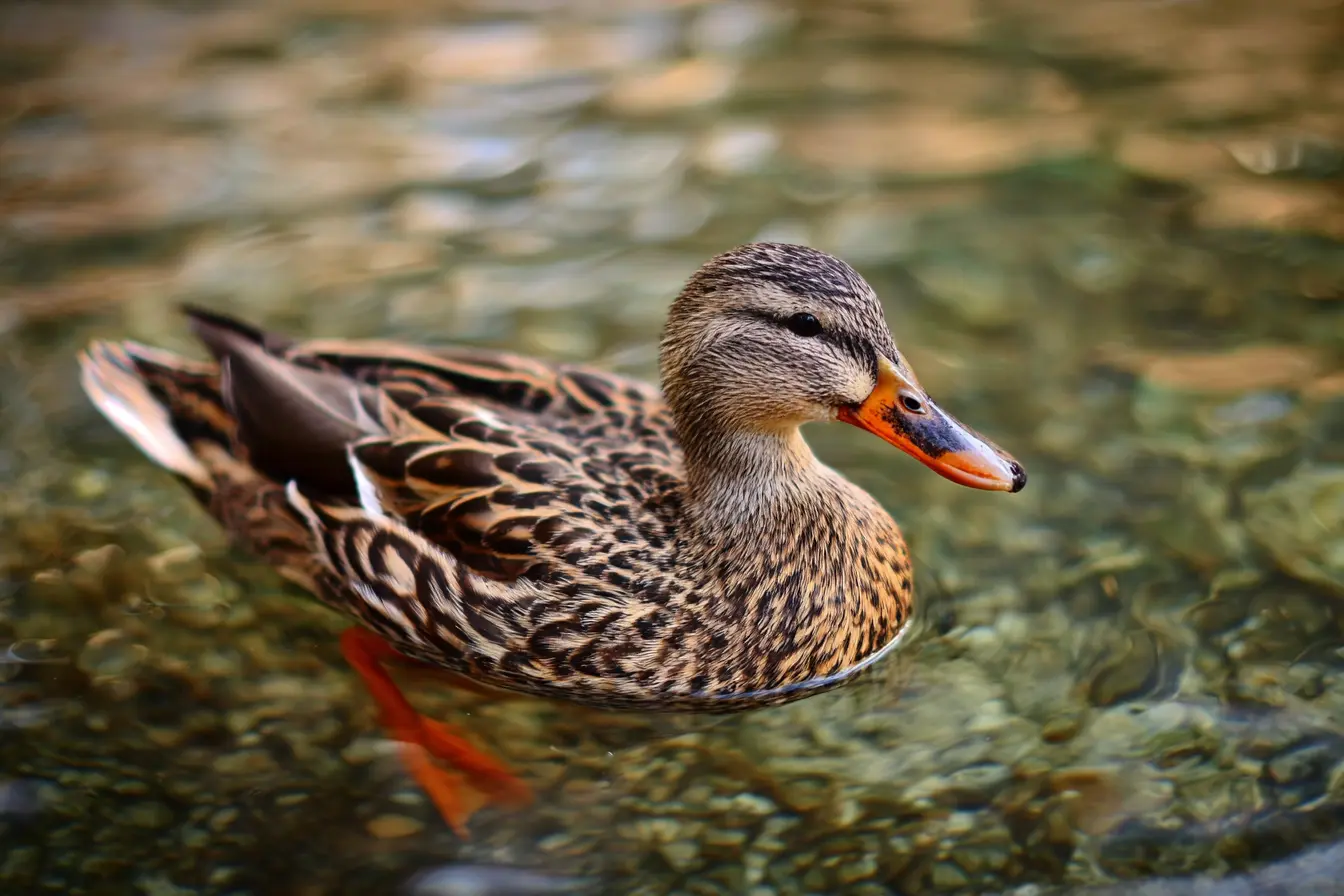
Feeding ducks may seem simple, but providing the right diet is essential for their health, growth, and long-term wellbeing. Whether you keep ducks at home, on a smallholding, or you simply enjoy feeding wild ducks responsibly, understanding what they should and shouldn’t eat is vital.
Why Diet Matters for Ducks
Ducks are omnivores and grazers by nature. In the wild they forage for seeds, insects, aquatic plants, grasses, and small creatures such as snails. A balanced diet helps them maintain:
- Healthy feathers
- Proper bone development
- Good egg production (for laying breeds)
- A strong immune system
Poor nutrition can lead to deformities, obesity, malnutrition, and preventable illnesses, so choosing the right food is key.
What Ducks Should Eat
A Balanced Commercial Feed
The foundation of a domestic duck’s diet should be a specially formulated poultry feed. Look for:
- Duck or waterfowl pellets – ideal as they meet species-specific needs
- Grower pellets (for juveniles)
- Layer pellets (for laying ducks), containing added calcium for strong shells
Crumbled feeds are often easier for ducklings to eat.
Avoid medicated feeds unless prescribed by a vet, as ducks process medication differently from chickens.
Fresh Vegetables and Greens
Ducks love leafy greens, and they’re excellent for digestive health.
Safe vegetables include:
- Lettuce (not iceberg), kale, spinach
- Rocket, cabbage, Swiss chard
- Peas (fresh or frozen and defrosted)
- Cucumber, courgette, broccoli, green beans
- Sweetcorn (whole or kernels)
Chop vegetables into manageable pieces and scatter in water to make natural foraging enrichment.
Fruit (in Moderation)
Fruit is high in sugar, so feed sparingly. Safe options include:
- Strawberries
- Blueberries
- Apples (no seeds)
- Bananas
- Pears
- Melon
Avoid citrus fruits as it can cause digestive irritation.
Protein Sources
Extra protein is useful during moulting or for growing ducklings.
Suitable proteins include:
- Mealworms (live or dried)
- Earthworms
- Crickets
- Scrambled eggs (plain, no salt or butter)
- Fish such as tuna or salmon (plain, unseasoned, cooked)
Do not overfeed high-protein items as too much can damage duck kidneys.
Grains and Seeds
These make excellent supplements:
- Oats (rolled or whole)
- Barley
- Wheat
- Sunflower seeds (unsalted)
- Buckwheat
Use grains as treats, not as the main diet.
Aquatic Plants
If your ducks have access to a pond, they will naturally eat:
- Duckweed
- Water hyacinth (in moderation)
- Pondweed
- Algae
These provide natural nutrients and mental stimulation.
What Ducks Shouldn’t Eat
Bread
Bread is one of the most common and harmful foods given to ducks. It causes:
- Malnutrition
- Obesity
- “Angel wing” deformity in ducklings
- Pollution in waterways
Never offer white or brown bread, crackers, pastries, or similar foods.
Foods Toxic to Ducks
Avoid the following completely:
- Avocado
- Onions
- Garlic
- Chocolate
- Caffeine
- Citrus fruits
- Raw beans (they contain toxins)
- Apple seeds (contain cyanide traces)
Processed or Salty Foods
Ducks cannot tolerate high salt or additives. Never feed:
- Crisps
- Chips
- Processed meats
- pet food
- Biscuits or cakes
Feeding Ducklings: Special Considerations
Ducklings require more careful feeding than adults.
Suitable foods for ducklings:
- Starter crumble (non-medicated)
- Finely chopped greens
- Peas mashed or cut small
- Tiny insects or mealworms
- Brewers yeast supplementation (for niacin)
The importance of niacin
Ducklings need higher levels of niacin (vitamin B3) than chicks. Without it they can develop leg deformities. Add:
- Brewers yeast sprinkled onto feed
- Niacin drops (vet-approved)
What to avoid for ducklings:
- Bread
- Large chunks of vegetables or fruit
- High-protein treats in excess
- Layer pellets (too much calcium is dangerous)
Feeding Wild Ducks Responsibly
If you enjoy feeding ducks at local ponds or rivers, choose foods that won’t harm them or the environment.
Great alternatives to bread include:
- Sweetcorn
- Frozen peas (defrosted)
- Oats
- Chopped lettuce
- Wildfowl pellets
Scatter the food widely to prevent overcrowding and territorial fights.
How Much and How Often Should Ducks Eat?
Domestic ducks should have constant access to commercial feed throughout the day. They naturally regulate their intake.
Supplement treats as follows:
- Vegetables/greens: daily
- Protein treats: a few times a week
- Fruit or seeds: once or twice a week
Wild ducks should be fed sparingly to avoid dependence on humans.
Water Requirements
Ducks require:
- Fresh, clean water at all times
- Enough depth to submerge their bills fully to clear nostrils and prevent respiratory issues
- Ideally, access to a pond or tub for bathing
Never feed ducks without providing water nearby, as they need it to swallow food safely.
Final Tips for Healthy, Happy Ducks
- Offer food in a shallow dish or scatter in water for enrichment.
- Keep feeding areas clean to prevent rats and mould.
- Store feed in airtight containers to avoid contamination.
- Monitor weight and behaviour for signs of overfeeding or illness.
Conclusion
Ducks thrive on a diet based around quality pellets, fresh greens, moderate fruits, and supplementary proteins. Avoid bread and processed human foods entirely. With the right diet and plenty of clean water, your ducks will stay healthy, active, and content.
Quick questions
- What should I know about duck diet?
- Feeding ducks properly is important for their health. Ducks are omnivores and need a balanced diet to support their growth and wellbeing. For domestic ducks, a commercial feed designed for ducks or waterfowl is a must. Fresh. Vet Verified can help you compare UK veterinary practices by location, species, services and opening hours before you call.
- When should I contact a vet about duck diet?
- Contact a veterinary practice if your pet seems unwell, symptoms are getting worse, you are unsure what to do, or the situation may be urgent. Vet Verified helps you compare practice details, but a vet should advise on your pet's current care.
- Can Vet Verified help me find a vet?
- Yes. Use Vet Verified to compare UK veterinary practices by location, species, services and opening hours, then call directly to confirm current availability.
Find a vet
Need a vet for this?
Use Vet Verified to compare UK veterinary practices that match this topic, then call the practice directly to confirm current services and availability.
Find a vet