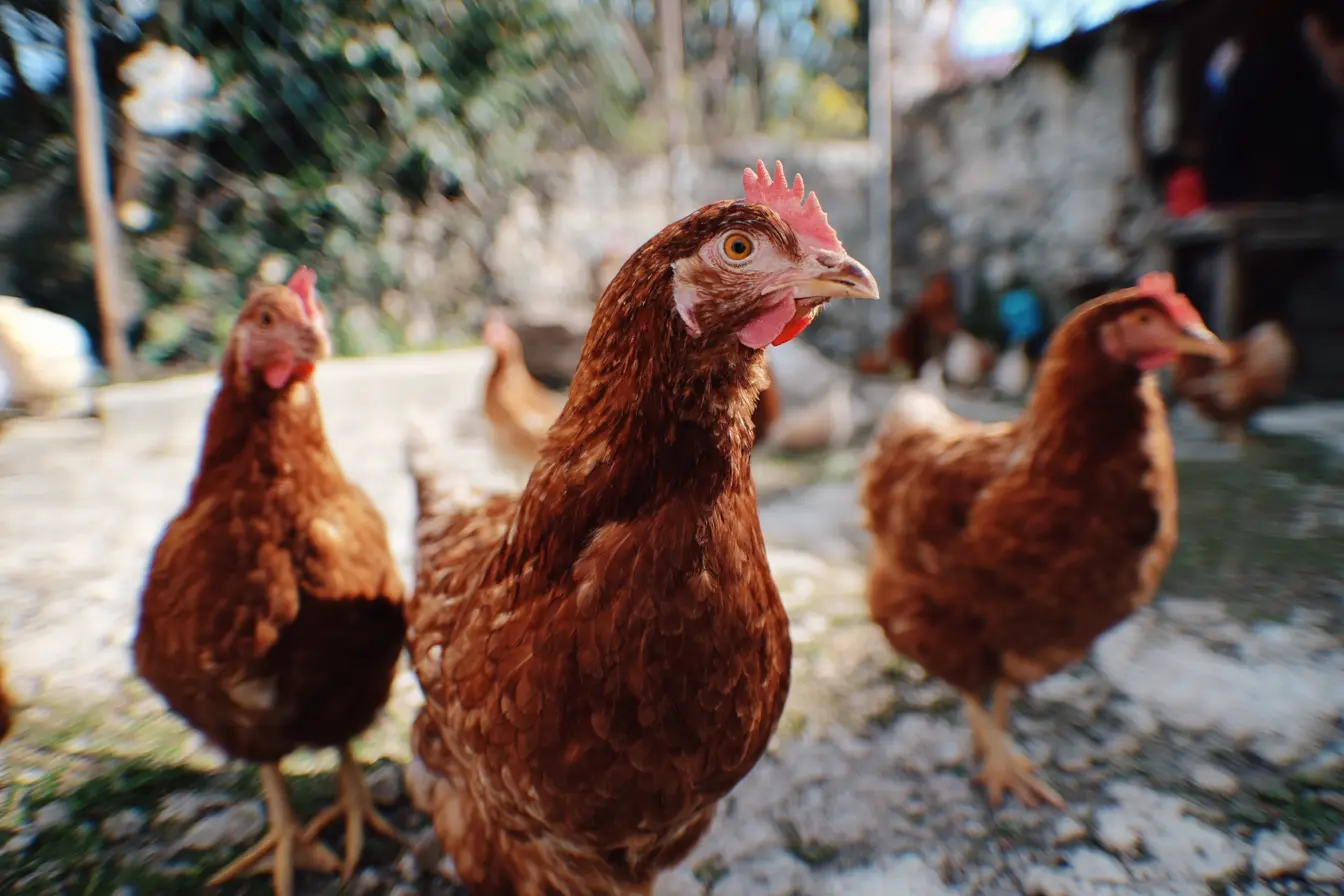
If you’re thinking about keeping chickens, or already have a flock, it’s completely natural to wonder how long chickens live. While chickens are often thought of as short-lived animals, their lifespan can actually be quite long when they are well cared for. How long a chicken lives depends on several factors, including breed, purpose, environment and overall management.
This guide explains everything chicken owners need to know about chicken lifespan, what affects it, and how to help your chickens live long, healthy lives.
Average Lifespan of a Chicken
On average, a well-cared-for domestic chicken lives 5 to 10 years.
However, this is only an average. Some chickens live much longer, while others may have shorter lives depending on their circumstances.
- Commercial laying hens may only live 1–3 years
- Back-garden and pet chickens commonly live 6–10 years
- Well-managed heritage breeds can reach 10–12 years or more
There are documented cases of chickens living into their teens, although this is uncommon.
What Affects How Long Chickens Live?
Several key factors influence a chicken’s lifespan.
Breed and Genetics
Breed plays a significant role in longevity.
Long-Lived Breeds
Heritage and traditional breeds tend to live longer:
- Sussex
- Orpingtons
- Wyandottes
- Plymouth Rocks
- Brahmas
- Leghorns
These breeds were developed for durability rather than maximum production.
Shorter-Lived Breeds
Chickens bred for high egg output often have shorter lives:
- Commercial hybrids
- High-production layers (e.g. ISA Browns, Lohmann Browns)
These birds put enormous strain on their bodies by laying almost daily.
Purpose: Pet vs Production
Chickens kept as pets generally live much longer than those kept solely for production.
- Egg-laying hens are biologically stressed by constant laying
- Meat birds are bred to grow rapidly and rarely live beyond a few months
- Pet chickens experience less stress and live longer
Stopping or reducing egg laying in later life often improves longevity.
Diet and Nutrition
A balanced diet is essential for a long life.
Chickens need:
- Complete layers or growers feed
- Adequate protein
- Calcium for bone and egg health
- Vitamins and minerals
- Fresh water at all times
Poor nutrition can lead to:
- Weak bones
- Egg binding
- Organ failure
- Shortened lifespan
Excess treats or scraps can also reduce lifespan.
Housing and Environment
Safe, clean housing dramatically affects longevity.
Key Housing Factors
- Predator-proof coop and run
- Dry, draught-free housing
- Good ventilation
- Clean bedding
- Sufficient space
Stress, overcrowding and damp conditions shorten lives significantly.
Predators and Safety
Predation is one of the most common causes of early death in chickens.
Common UK predators include:
- Foxes
- Rats
- Dogs
- Birds of prey
Secure fencing, covered runs and good coop design are essential.
Health Care and Disease
Chickens with access to basic health care live longer.
Important factors include:
- Regular health checks
- Prompt treatment of illness
- Parasite control (mites, lice, worms)
- Clean living conditions
Many illnesses become fatal simply because they go unnoticed.
How Long Do Laying Hens Live?
Laying hens can live many years beyond their productive egg-laying period.
Egg Production vs Lifespan
- Most hens lay well for 2–3 years
- Egg numbers then decline
- Many hens stop laying altogether later in life
A hen that stops laying can still live happily for several more years.
How Long Do Roosters Live?
Roosters often live as long as or longer than hens, typically 6–10 years.
Reasons include:
- No physical stress from egg laying
- Often stronger bone density
- Lower reproductive strain
However, roosters are more prone to conflict and injury if housed incorrectly.
How Long Do Chickens Live by Breed Type?
Heritage and Traditional Breeds
- 7–12 years is common with good care
Commercial Hybrids
- 3–6 years, sometimes longer with excellent care
Meat Breeds
- 8–12 weeks (if raised for meat)
- If kept longer, many suffer severe health issues
Signs a Chicken Is Ageing
As chickens get older, you may notice:
- Reduced egg laying
- Grey or dull feathers
- Slower movement
- Weight loss or gain
- Arthritis or stiff joints
- Reduced vision
Ageing chickens can still enjoy an excellent quality of life.
How to Help Chickens Live Longer
Owners can significantly extend their chickens’ lifespan with good care.
Provide a High-Quality Diet
- Use age-appropriate feed
- Reduce calcium once laying stops
- Avoid excessive treats
Maintain Good Housing
- Keep bedding dry and clean
- Improve access for older birds
- Use low roosts for ageing chickens
Reduce Stress
- Stable flock structure
- Adequate space
- Protection from extreme weather
Monitor Health Closely
- Watch for subtle changes
- Treat parasites promptly
- Isolate sick birds early
Adjust Care for Older Chickens
- Softer food options
- Easier access to food and water
- Extra warmth in winter
When Chickens Die Young
Unfortunately, not all chickens reach old age.
Common causes of early death include:
- Predators
- Illness
- Egg-laying complications
- Poor nutrition
- Accidents
Many of these risks can be reduced with proactive care.
Emotional Considerations for Owners
Chickens often become much-loved pets. Losing one can be upsetting, especially after many years.
It’s important to remember:
- Chickens can live full, happy lives
- Good care makes a significant difference
- Older chickens deserve comfort and dignity
Conclusion
Chickens typically live between 5 and 10 years, with many backyard chickens living well into old age when properly cared for. Breed choice, diet, housing, health care and safety all play a major role in how long a chicken lives.
While some chickens are bred for short, productive lives, pet and heritage chickens can be long-lived, rewarding companions. With attentive care and thoughtful management, owners can give their chickens the best chance of a long, healthy and happy life.
Quick questions
- What should I know about chicken lifespan?
- Wondering how long chickens live? Chickens can live between 5 to 10 years with good care. Factors like breed, diet, housing, and health care affect lifespan. Heritage breeds and pet chickens often live longer than commercial. Vet Verified can help you compare UK veterinary practices by location, species, services and opening hours before you call.
- When should I contact a vet about chicken lifespan?
- Contact a veterinary practice if your pet seems unwell, symptoms are getting worse, you are unsure what to do, or the situation may be urgent. Vet Verified helps you compare practice details, but a vet should advise on your pet's current care.
- Can Vet Verified help me find dog vets?
- Yes. Use Vet Verified to compare dog vets across the UK, then check practice profiles and call directly to confirm current availability.
Find a vet
Need a vet for this?
Use Vet Verified to compare UK veterinary practices that match this topic, then call the practice directly to confirm current services and availability.
Search by species
- Dog vets Find UK veterinary practices that list care for dogs. Compare RCVS-checked listings, opening hours, contact details and verified practice profiles.
- Bird vets Find UK veterinary practices that list care for birds. Compare practice profiles, contact details, opening hours and verification signals.