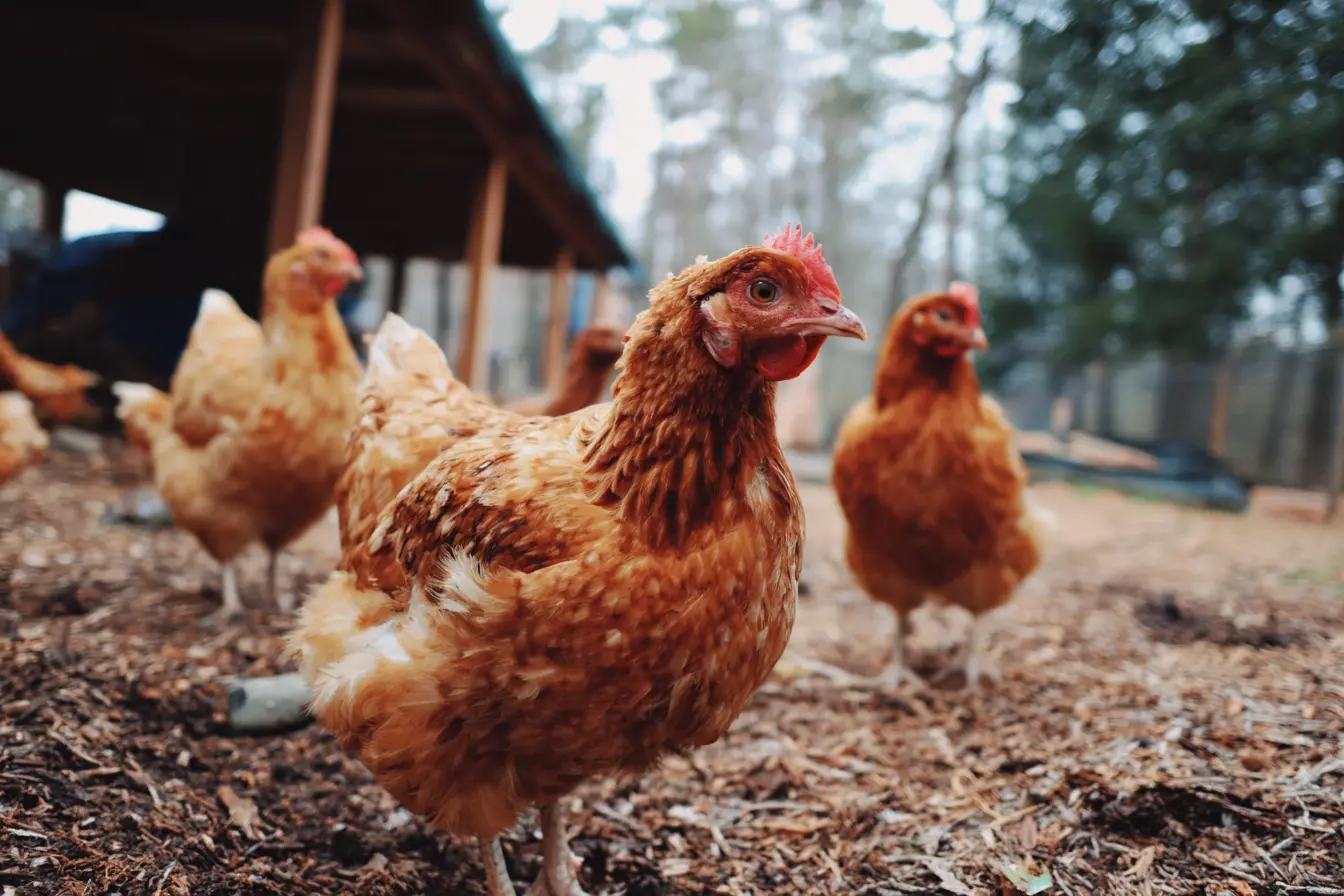
What Vegetables Can Chickens Eat?
Vegetables are an excellent addition to a chicken’s diet when fed correctly. They provide vitamins, minerals, hydration, and enrichment, helping to keep chickens healthy and occupied. While vegetables should never replace a nutritionally complete layers feed, they can form a valuable part of a varied and balanced diet. Knowing which vegetables are safe, how to prepare them, and which to avoid is essential for every chicken keeper.
Should Chickens Eat Vegetables?
Chickens are natural foragers and enjoy pecking at a wide range of plant matter. In the wild, they consume leaves, shoots, roots, and vegetables when available. Vegetables are generally low in fat and can be fed more regularly than fruit, though they should still be considered a supplement rather than a main food source.
As a guideline, vegetables and other treats should make up no more than around 10% of a chicken’s overall diet.
Safe Vegetables for Chickens
Leafy Greens
Leafy greens are among the healthiest vegetables you can offer.
Safe options include:
- Cabbage
- Kale
- Spinach
- Spring greens
- Lettuce (avoid iceberg)
- Swiss chard
- Beetroot leaves
These greens provide vitamins A, C, and K and help support digestion.
Root Vegetables
Root vegetables are safe and nutritious when prepared properly.
Suitable root vegetables include:
- Carrots (grated or chopped)
- Parsnips
- Swede
- Turnip
- Beetroot (raw or cooked)
Hard vegetables should be chopped or grated to prevent choking.
Brassicas
Brassicas are part of the cabbage family and are widely enjoyed by chickens.
Safe brassicas include:
- Broccoli
- Cauliflower
- Brussels sprouts
- Cabbage leaves
These vegetables are rich in nutrients and make excellent boredom busters.
Squash and Marrow Vegetables
These vegetables are highly palatable and easy to digest.
Safe options include:
- Courgette
- Marrow
- Pumpkin
- Butternut squash
Seeds are generally safe, and cooked squash flesh is especially popular.
Peas and Beans
Some legumes are safe when prepared correctly.
Safe options include:
- Peas (fresh, frozen, or defrosted)
- Green beans (cooked or chopped)
Always cook dried beans, as raw or dried beans are toxic to chickens.
Alliums in Small Amounts
Some keepers feed small quantities of alliums, though they should be limited.
- Leeks
- Spring onions
Large amounts can taint eggs and may cause digestive upset, so use sparingly if at all.
Vegetables Chickens Should Eat in Moderation
Certain vegetables are safe but should be limited.
These include:
- Spinach (high in oxalates, which can affect calcium absorption)
- Sweetcorn (higher in starch)
- Cooked potatoes (plain, no seasoning)
Moderation helps avoid nutritional imbalances.
Vegetables Chickens Should Not Eat
Raw Potatoes and Green Potato Skins
Raw potatoes and green skins contain solanine, which is toxic.
Never feed:
- Raw potatoes
- Green potato skins
- Potato leaves or stems
Onions and Garlic
Onions and garlic can cause digestive issues and affect red blood cells.
Avoid feeding:
- Onions
- Garlic
Mushrooms
Wild or shop-bought mushrooms should not be fed due to toxicity risks.
Aubergine Leaves and Stems
These parts contain solanine and should be avoided.
Mouldy or Spoiled Vegetables
Mould can produce toxins that are dangerous or fatal to chickens.
Never feed mouldy or rotten vegetables.
How to Prepare Vegetables for Chickens
Preparation Tips
- Wash vegetables thoroughly to remove pesticides
- Chop or grate hard vegetables
- Remove inedible skins where necessary
- Avoid adding salt, oil, or seasoning
Vegetables can be fed raw or cooked, provided they are plain.
Feeding Methods
- Hang leafy greens to encourage pecking
- Scatter vegetables to promote natural foraging
- Use shallow dishes for chopped vegetables
Remove leftovers daily to keep the run clean.
How Often Should Chickens Eat Vegetables?
Vegetables can be fed:
- Daily or several times a week
- In small portions
- After chickens have access to their main feed
Vegetables should never replace layers pellets or mash.
Can Chicks Eat Vegetables?
Chicks can be offered vegetables in small amounts once they are a few weeks old.
Guidelines include:
- Finely chopped greens
- Introduce gradually
- Avoid hard or fibrous vegetables
- Keep chick crumb as the main diet
Vegetables should be an occasional treat for chicks.
Do Vegetables Affect Egg Laying?
When fed sensibly, vegetables support overall health and can contribute to good egg quality. However, too many vegetables may reduce egg production if chickens fill up on treats instead of balanced feed.
Balance and moderation are essential.
Common Mistakes to Avoid
- Feeding vegetables instead of complete feed
- Offering large chunks that can cause choking
- Feeding raw or green potatoes
- Leaving vegetables to rot in the run
Summary: Vegetables and Chickens
- Vegetables are healthy and enriching
- Leafy greens and brassicas are excellent choices
- Always prepare vegetables properly
- Avoid toxic vegetables completely
- Keep vegetables as a supplement, not a staple
Conclusion
Vegetables are a valuable addition to a chicken’s diet when chosen and prepared correctly. By offering a variety of safe vegetables in moderation, you can provide enrichment, support good health, and keep your flock happy without compromising nutrition or egg production.
Contents
- Should Chickens Eat Vegetables?
- Safe Vegetables for Chickens
- Vegetables Chickens Should Eat in Moderation
- Vegetables Chickens Should Not Eat
- How to Prepare Vegetables for Chickens
- How Often Should Chickens Eat Vegetables?
- Can Chicks Eat Vegetables?
- Do Vegetables Affect Egg Laying?
- Common Mistakes to Avoid
- Summary: Vegetables and Chickens
- Conclusion
Tags
Vets near you
Speciality vets
- Aquatics vet specialists
- Birds vet specialists
- Camelids vet specialists
- Cats vet specialists
- Cattle vet specialists
- Deer vet specialists
- Dogs vet specialists
- Equines vet specialists
- Exotic vet specialists
- Goats vet specialists
- Pigs vet specialists
- Poultry vet specialists
- Sheep vet specialists
- Small Mammals vet specialists
- Wild vet specialists
Vet facilities
- Accessible by public transport
- Blood testing
- Car park nearby
- Client car park
- Dentistry
- Diagnostic imaging
- Disabled public access
- Flea and worm treatments
- Microchipping
- Mobile services
- Neutering
- Open at weekends
- Out-of-hours service
- Referral interests
- Referrals only
- Street parking outside
- Toilets available
- Vaccinations