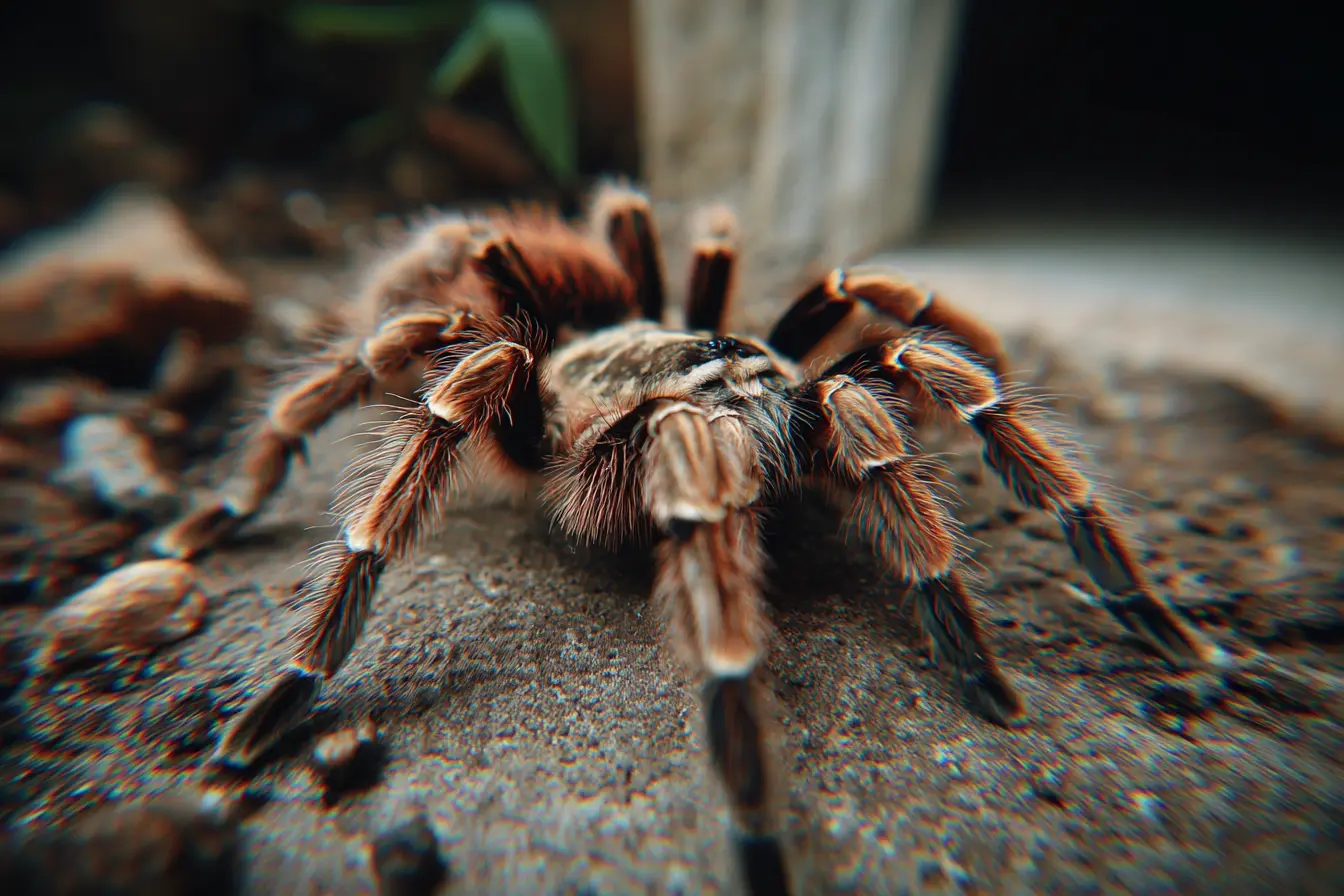
Old World tarantulas are some of the most striking, fascinating, and challenging arachnids in the hobby. Known for their speed, defensive nature, and impressive adaptations, they offer a truly thrilling experience for experienced keepers. But before taking the plunge, it's important to understand what sets Old World species apart and what responsibilities come with owning one.
This guide will walk you through everything you need to know — from behaviour and housing to handling risks and legal considerations.
What Are Old World Tarantulas?
Old World tarantulas originate from the Eastern Hemisphere — specifically Africa, Asia, Europe, and Australasia. Unlike their New World counterparts from the Americas, Old World species do not possess urticating hairs and instead rely on other means of defence such as threat displays and biting.
Popular examples include:
- Poecilotheria regalis (Indian Ornamental)
- Harpactira pulchripes (Golden Blue Leg Baboon)
- Cyriopagopus lividus (Cobalt Blue)
- Chilobrachys fimbriatus (Indian Violet)
Why Choose an Old World Tarantula?
Old World tarantulas appeal to keepers looking for something more intense and exotic. They offer:
- Unique and often dramatic behaviour
- Stunning patterns and colours
- A wide range of species with arboreal, terrestrial, and fossorial habits
- A challenge that pushes your skills as a keeper
However, they’re not for everyone. The risk of a defensive bite, their speed, and their sensitivity to poor conditions make them best suited to those with previous tarantula experience.
Temperament and Behaviour
Old World tarantulas are generally defensive rather than aggressive. If disturbed, they are more likely to retreat or display a threat posture before escalating to a bite. That said, many species can strike with little warning.
Key behavioural traits include:
- High speed and reactivity
- Frequent use of threat postures when provoked
- Biting as a primary defence mechanism
- Strong feeding responses, often striking prey immediately
- A tendency to hide in burrows, bark tubes, or web tunnels for extended periods
Venom Considerations
While no tarantula venom is considered lethal to humans, many Old World species have venom that can cause:
- Intense localised pain
- Swelling and muscle cramps
- Itching, nausea, and sweating
- Rare systemic effects (e.g. heart palpitations)
Because of the potential medical significance, you should never handle these tarantulas and should always take extra precautions during enclosure maintenance.
Enclosure Requirements
Housing depends on whether the species is arboreal (tree-dwelling), terrestrial (ground-dwelling), or fossorial (burrowing). However, most Old World species share certain needs.
General Guidelines
- Use a secure, escape-proof enclosure
- Provide appropriate ventilation to avoid mould
- Avoid overly cluttered setups which can stress the spider or make maintenance more difficult
Arboreal Species
- Vertical enclosures (30x30x45 cm or taller)
- Cork bark or upright tubes for climbing
- Good cross ventilation
- Light substrate layer (5 cm)
Fossorial/Terrestrial Species
- Deep substrate (15–20 cm for burrowers)
- Horizontal space (30x30x30 cm minimum)
- Cork bark hide or starter tunnel
- Substrate: compacted coconut fibre, topsoil, or a soil-peat mix
Temperature and Humidity
Most Old World species come from warm, tropical or semi-arid regions. Aim for:
- Temperature: 24–28°C
- Humidity: 60–85%, depending on species
Use a thermostat-controlled heat mat if needed and monitor with a digital thermometer and hygrometer. Avoid soaking the enclosure — always ensure a moisture gradient with some dry areas.
Feeding
Old World tarantulas have a strong feeding response and eat similar prey to New World species.
- Insects: crickets, dubia roaches, locusts, and mealworms (in moderation)
- Juveniles: feed every 4–5 days
- Adults: feed every 7–10 days
Remove uneaten prey within 24 hours. Don’t feed during premoult or until a week after moulting.
Handling and Safety
You should never handle an Old World tarantula. Unlike New World species that use urticating hairs for defence, Old Worlds bite — and they’re fast.
Handling risks include:
- Falling and injury to the spider
- Sudden escape due to speed
- Potentially painful bite with medical effects
Instead, observe and enjoy from a safe distance. If enclosure work is needed:
- Use long tweezers or tongs
- Work slowly and deliberately
- Ensure the spider is in its hide or use a temporary catch cup if needed
Moulting
As with all tarantulas, Old World species periodically moult to grow. Signs include:
- Loss of appetite
- Lethargy or retreating into a burrow
- Dull colouration
- Lying on their back (do not panic — this is normal)
Post-moult, wait at least a week before feeding to allow the new exoskeleton to harden. Maintain stable humidity during moulting periods.
Legal and Ethical Considerations
Old World tarantulas are legal to own in the UK, but ethical sourcing is essential:
- Buy captive-bred specimens where possible
- Avoid wild-caught imports
- Purchase from reputable breeders or licensed exotic pet shops
Cost of Ownership
While the tarantula itself is often affordable, proper equipment and care materials add up.
- Tarantula: £25–£100 depending on species and age
- Enclosure setup: £50–£100
- Heating and monitoring equipment: £20–£50
- Food: £5–£10 per month
Despite this, they are still one of the lower-cost exotic pets when properly cared for.
Is an Old World Tarantula Right for You?
You might be ready for an Old World tarantula if:
- You already have experience with New World species
- You understand the risks and respect the animal’s defensive nature
- You’re prepared to never handle your pet
- You’re comfortable with fast, unpredictable movements
- You’re able to maintain a controlled, secure enclosure setup
They are not recommended if:
- You are new to tarantula keeping
- You want a tarantula you can handle
- You’re uncomfortable around fast or defensive animals
Final Thoughts
Old World tarantulas are not for beginners, but for experienced and respectful keepers, they offer some of the most spectacular species in the arachnid world. From the glowing blue of Cyriopagopus lividus to the patterned majesty of Poecilotheria species, these spiders are as beautiful as they are formidable.
With proper housing, care, and handling protocol (or lack thereof), an Old World tarantula can be a captivating, long-lived, and rewarding pet. Just be sure to do your research, invest in a proper setup, and never underestimate the speed or attitude that these spiders bring to the table.
Quick questions
- What should I know about old world tarantulas?
- Old World tarantulas are unique pets from Africa, Asia, Europe, and Australasia. They are fast, defensive, and lack urticating hairs, making them suitable for experienced keepers only. These tarantulas require different. Vet Verified can help you compare UK veterinary practices by location, species, services and opening hours before you call.
- When should I contact a vet about old world tarantulas?
- Contact a veterinary practice if your pet seems unwell, symptoms are getting worse, you are unsure what to do, or the situation may be urgent. Vet Verified helps you compare practice details, but a vet should advise on your pet's current care.
- Can Vet Verified help me find exotic vets?
- Yes. Use Vet Verified to compare exotic vets across the UK, then check practice profiles and call directly to confirm current availability.
Find a vet
Need a vet for this?
Use Vet Verified to compare UK veterinary practices that match this topic, then call the practice directly to confirm current services and availability.
Search by species