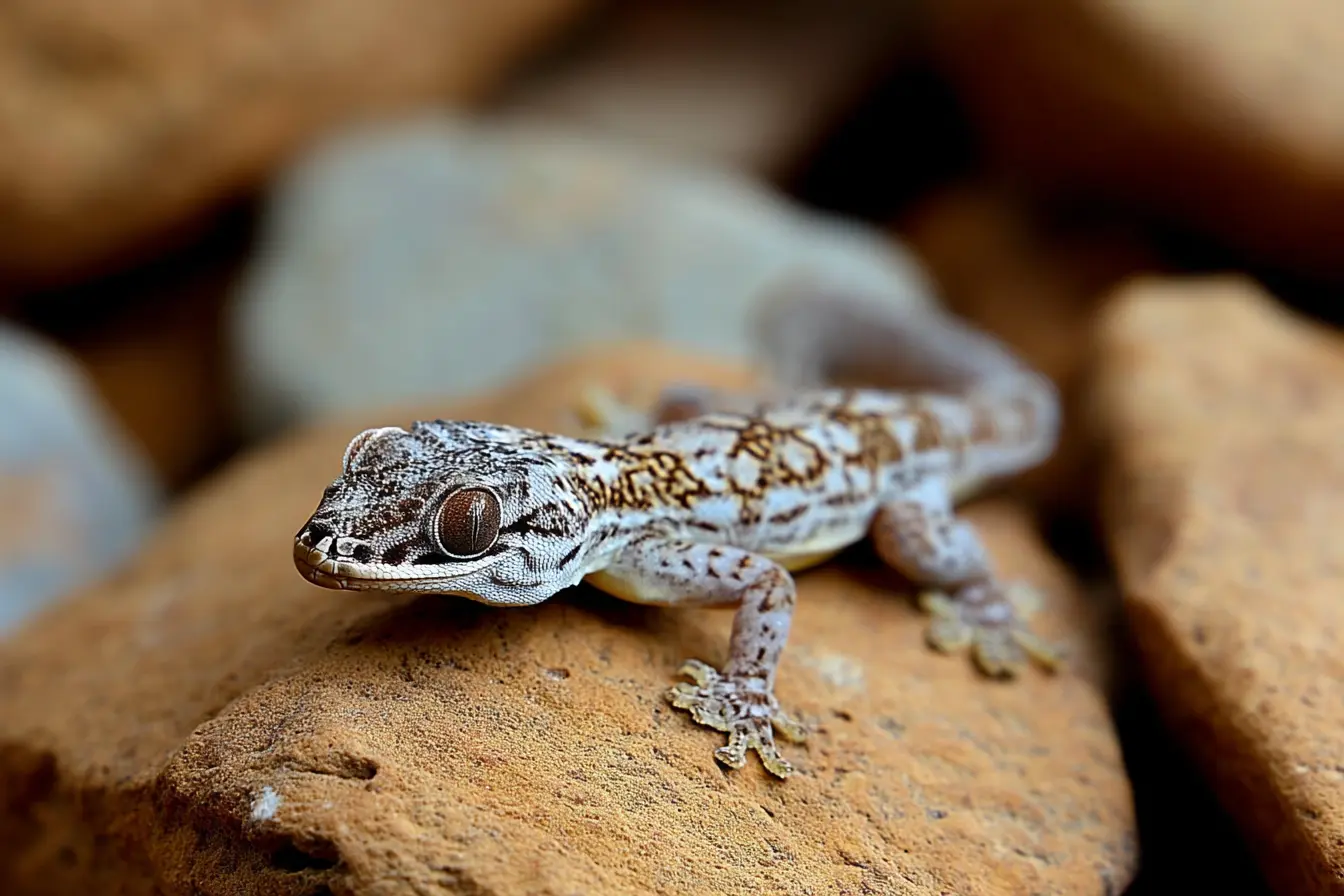
The Madagascan velvet gecko (Blaesodactylus sakalava) is a fascinating, nocturnal species native to the tropical forests and dry woodlands of Madagascar. As its name suggests, this gecko is distinguished by its smooth, velvety skin texture and subtle yet beautiful colouration.
Quiet and secretive by nature, the Madagascan velvet gecko is less well-known than Madagascar’s flamboyant day geckos or leaf-tailed relatives, but it is equally captivating for keepers who appreciate natural behaviour, gentle temperament, and understated beauty. With the right setup and care, this species can thrive and reveal its intriguing nocturnal habits.
Origins and Natural Habitat
The Madagascan velvet gecko is native to western and northern Madagascar, where it inhabits dry forests, scrublands, and rocky outcrops. These regions experience distinct wet and dry seasons, with warm temperatures year-round.
By day, these geckos hide beneath bark, inside tree hollows, or in rock crevices. At night, they emerge to hunt for insects, moving quietly across branches and forest debris. Their velvety texture helps them blend into tree trunks and rock surfaces, providing both camouflage and protection from dehydration.
Appearance and Temperament
Physical Traits
- Size: Adults typically reach 13–15 cm in total length, including the tail
- Colouration: Shades of brown, tan, or grey with faint banding or mottled patterns; the skin has a soft, velvety texture
- Eyes: Large and silvery-grey with vertical pupils for excellent night vision
- Tail: Slightly flattened and often used for fat storage; can regenerate if lost
Behaviour and Temperament
Madagascan velvet geckos are nocturnal and primarily terrestrial, though they can climb low vegetation and branches with ease. They are generally calm and non-aggressive but can be shy, especially during the day.
In captivity, they are best appreciated as display animals. With time and gentle care, they become confident enough to be observed moving about at dusk or under dim lighting. They are not suited for frequent handling but are hardy and adaptable when kept correctly.
Housing Requirements
To replicate their natural dry-forest environment, provide a spacious, well-ventilated enclosure with a warm, dry climate and plenty of hiding spots.
Enclosure Size
- A single adult or pair: 60 cm x 45 cm x 45 cm
- A small group (one male with several females): 90 cm x 45 cm x 45 cm or larger
Glass or PVC terrariums with front-opening doors work best, allowing good ventilation and easy access for maintenance.
Males should not be housed together, as they may show territorial aggression.
Heating and Temperature Gradient
- Basking area: 30–32°C
- Ambient temperature: 26–28°C
- Night-time: Can drop to around 22°C
Use a low-wattage heat lamp or ceramic heater controlled by a thermostat to provide a gradient. Position the heat source at one end so the gecko can choose its preferred temperature.
Lighting and UVB
Although nocturnal, Madagascan velvet geckos benefit from low-level UVB lighting (2–5%). UVB supports calcium metabolism and helps regulate circadian rhythms.
Provide a 12-hour light cycle, with shaded hiding areas to allow them to avoid direct light during the day.
Humidity and Water
Maintain humidity between 50–70%, allowing it to drop slightly during the day and rise at night through misting. Mist lightly each evening to replicate natural dew and to aid hydration.
Always provide a shallow water dish for drinking. Good ventilation is important to prevent mould or bacterial growth.
Substrate and Furnishings
- Substrate: A mix of soil and sand, coconut fibre, or a commercial desert blend works well
- Hides: Provide multiple hides—one on the warm side and one on the cool side
- Decor: Include cork bark, driftwood, branches, and flat stones for climbing and basking
A naturalistic setup with plants and rough textures will help the gecko feel secure and encourage natural behaviour. Ensure hiding spots are tight and dark, as these geckos prefer snug retreats during the day.
Diet and Feeding
Madagascan velvet geckos are insectivorous and enjoy a diet of varied, appropriately sized live insects.
Feeding Schedule
- Juveniles: Every 1–2 days
- Adults: Every 2–3 days
Food Items
- Crickets
- Small roaches
- Locusts
- Mealworms or waxworms (occasionally as treats)
All insects should be gut-loaded (fed nutritious foods before being offered) and dusted with calcium and vitamin supplements.
- Calcium with D3: Two to three times per week
- Multivitamin: Once per week
Feeding Tips
Feed during the evening when the gecko becomes active. Remove uneaten prey the following morning to prevent stress or injury.
Handling and Interaction
Madagascan velvet geckos are not typically handleable pets, but they can tolerate gentle, occasional interaction once accustomed to captivity.
When handling is necessary (for cleaning or health checks):
- Approach slowly and calmly
- Allow the gecko to walk onto your hand rather than grabbing it
- Avoid restraining the tail, as it may drop when stressed
With patience, many individuals learn to remain calm during brief handling sessions.
Common Health Concerns
Shedding Issues
Inadequate humidity can cause incomplete shedding, especially around the toes and tail tip. Provide a moist hide or lightly mist during shedding cycles.
Metabolic Bone Disease (MBD)
A result of calcium or UVB deficiency. Ensure regular supplementation and appropriate lighting.
Respiratory Infections
Caused by cool or excessively damp conditions. Maintain proper warmth and ensure ventilation.
Parasites
Wild-caught specimens may carry internal or external parasites. Quarantine new arrivals and purchase from reputable breeders whenever possible.
Lifespan and Breeding
Madagascan velvet geckos can live for 10–15 years in captivity with proper care.
Breeding is relatively straightforward. During the warmer months, females lay two parchment-like eggs in a secure, humid spot such as under bark or in a moist lay box. Incubation at 28–30°C lasts around 60–70 days. Hatchlings are independent from birth and will feed on small insects such as fruit flies or pinhead crickets.
Behaviour in Captivity
In captivity, the Madagascan velvet gecko is an active and engaging species to observe. At dusk, they emerge from their hides to explore, hunt, and climb. With low red or blue nighttime lighting, their nocturnal activities can be viewed without disturbing them.
They are also highly vocal for geckos of their size, sometimes making soft clicks or squeaks, particularly during courtship or territorial interactions.
Conclusion
The Madagascan velvet gecko is a subtle yet enchanting reptile that deserves far more attention in the hobby. Its velvety appearance, gentle nature, and fascinating nocturnal habits make it an excellent choice for those seeking a small, low-maintenance lizard that thrives in a naturalistic terrarium.
While not a species for handling, it rewards observant keepers with captivating displays of natural behaviour and an enduring, quiet charm.
For reptile enthusiasts who appreciate Madagascar’s unique fauna and the beauty of the nocturnal world, the Madagascan velvet gecko is a small but truly exceptional treasure.
Quick questions
- What should I know about madagascan velvet gecko?
- The Madagascan velvet gecko is a nocturnal lizard found in Madagascar's dry forests and woodlands. Known for its velvety skin and calm nature, it makes a good display pet if cared for properly. These geckos need a warm, dry. Vet Verified can help you compare UK veterinary practices by location, species, services and opening hours before you call.
- When should I contact a vet about madagascan velvet gecko?
- Contact a veterinary practice if your pet seems unwell, symptoms are getting worse, you are unsure what to do, or the situation may be urgent. Vet Verified helps you compare practice details, but a vet should advise on your pet's current care.
- Can Vet Verified help me find exotic vets?
- Yes. Use Vet Verified to compare exotic vets across the UK, then check practice profiles and call directly to confirm current availability.
Find a vet
Need a vet for this?
Use Vet Verified to compare UK veterinary practices that match this topic, then call the practice directly to confirm current services and availability.