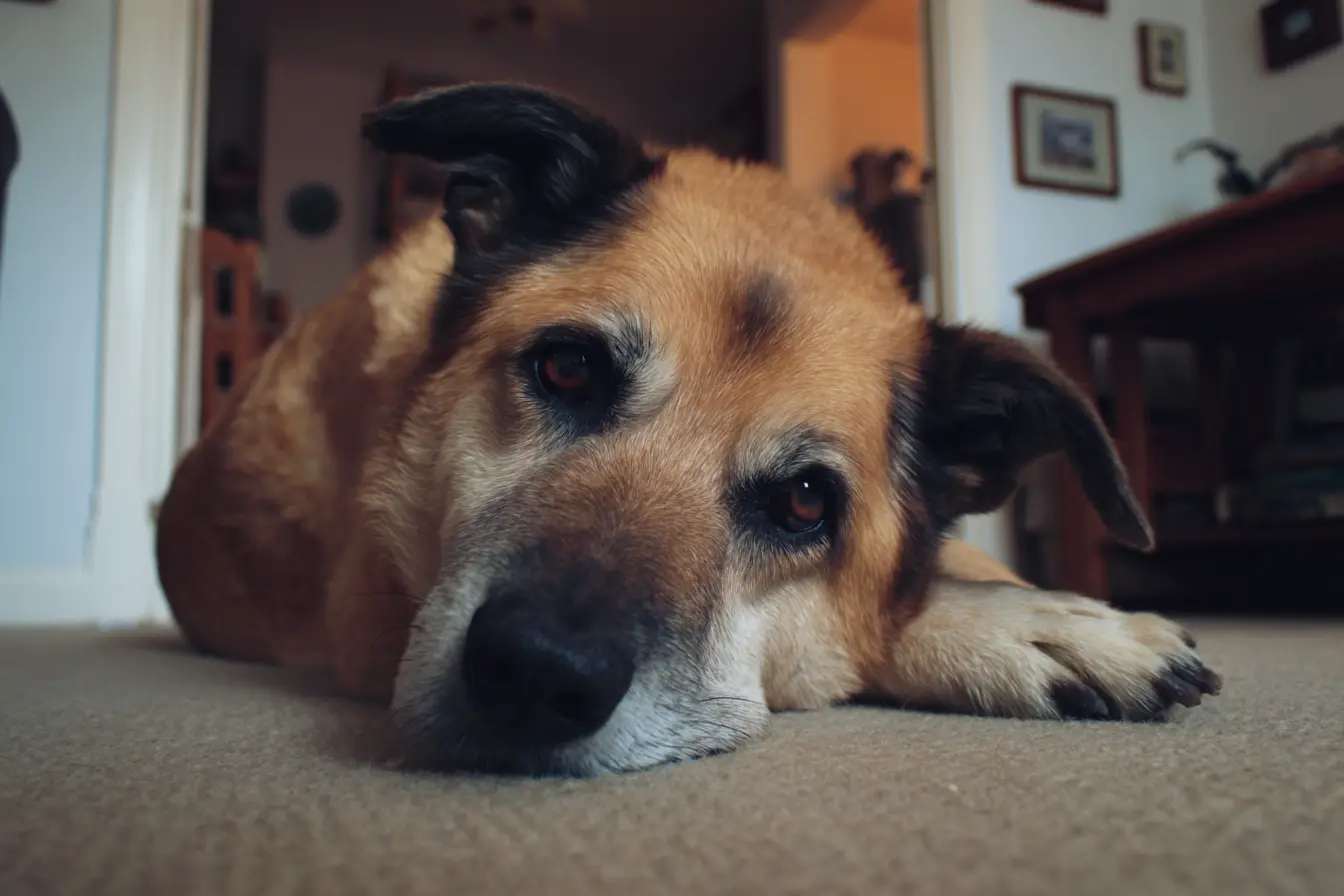
When we think of depression, we often think of humans. Yet dogs, like people, are capable of experiencing sustained changes in mood that affect behaviour, energy levels and overall wellbeing. While dogs do not experience depression in exactly the same way humans do, they can develop a persistent low mood that closely resembles clinical depression.
Recognising the signs early and understanding the potential causes can make a meaningful difference. With the right support, many dogs recover well.
Can Dogs Really Become Depressed?
Dogs are highly social, emotionally responsive animals. They form strong attachments, respond to environmental changes and experience complex emotional states including fear, joy, frustration and grief.
Depression in dogs typically refers to a prolonged period of:
- Reduced interest in normal activities
- Decreased energy
- Changes in sleep or appetite
- Social withdrawal
It is important to distinguish between temporary sadness, such as a quiet day after an exciting event, and a sustained behavioural shift that lasts weeks rather than days.
A key indicator is change. If your dog’s behaviour noticeably shifts from their normal personality and does not improve, it warrants attention.
Common Causes of Depression in Dogs
Depression rarely appears without a trigger. Often, it follows a significant change or stressor.
Loss of a Companion
Dogs can grieve. The loss of another household dog or a close human family member may lead to:
- Searching behaviours
- Withdrawal
- Reduced appetite
- Increased sleep
While grief responses vary, some dogs show clear behavioural changes following bereavement.
Major Life Changes
Dogs thrive on routine. Disruption to their environment can affect emotional stability. Examples include:
- Moving house
- A new baby
- A family member leaving home
- Changes in owner work schedules
- Extended boarding or rehoming
Even positive changes can be stressful if they alter predictability.
Chronic Stress or Anxiety
Untreated anxiety can gradually lead to low mood. A dog living in a constant state of stress may eventually appear shut down or disengaged.
Illness or Pain
Physical health and emotional wellbeing are closely linked. Chronic pain, hormonal disorders, infections and neurological conditions can all cause lethargy and behavioural changes that resemble depression.
Sudden onset of depressive signs should always prompt a veterinary check.
Reduced Stimulation
Dogs require mental and physical engagement. Long-term boredom, lack of exercise or minimal social interaction can contribute to low mood, particularly in active or intelligent breeds.
Signs of Depression in Dogs
Depression often presents subtly at first. Owners may notice their dog “not quite themselves”.
Common signs include:
- Sleeping more than usual
- Reduced enthusiasm for walks or play
- Decreased interest in food or treats
- Withdrawal from family interaction
- Slower movements
- Less tail wagging or facial expression
- Reluctance to engage with favourite toys
- Increased clinginess in some cases
In more severe situations, dogs may refuse food entirely or avoid previously enjoyed activities altogether.
Because many of these signs overlap with medical conditions, professional evaluation is essential.
Depression or Medical Problem?
Before assuming a dog is depressed, underlying health issues must be ruled out. Conditions that can mimic depression include:
- Arthritis
- Thyroid imbalance
- Chronic pain
- Dental disease
- Heart conditions
- Cognitive dysfunction in older dogs
Blood tests, physical examination and, where necessary, further diagnostics help ensure the correct diagnosis.
Treating the underlying medical cause often resolves the behavioural symptoms.
How Depression Is Treated
There is no single treatment approach. Management depends on the underlying cause, severity and individual temperament.
Addressing the Root Cause
If depression follows a specific event, such as bereavement or environmental change, restoring routine and providing stability is crucial. Gradual reintroduction of enjoyable activities can help rebuild engagement.
Increasing Positive Engagement
Structured interaction can stimulate interest and improve mood. This may include:
- Gentle play sessions
- Short, frequent walks
- Scent-based enrichment activities
- Training exercises using positive reinforcement
- Social time with familiar dogs or people
The goal is not to overwhelm the dog but to reintroduce positive experiences at a manageable pace.
Maintaining Routine
Consistency reduces emotional uncertainty. Feeding times, walks and rest periods should remain predictable wherever possible.
Dogs often regain confidence when they know what to expect.
Professional Behavioural Support
If depression appears linked to anxiety, trauma or significant behavioural change, working with a qualified behaviourist can provide structured guidance.
Medication
In more severe or persistent cases, veterinary-prescribed antidepressant or anti-anxiety medication may be recommended. Medication can support brain chemistry while behavioural interventions address environmental and emotional factors.
It is not a first-line solution for mild cases but can be life-changing for dogs experiencing profound distress.
Supporting a Depressed Dog at Home
Living with a depressed dog can feel worrying and sometimes frustrating. It is important to approach the situation with patience rather than pressure.
Helpful strategies include:
- Offering gentle encouragement without forcing interaction
- Rewarding small signs of engagement
- Avoiding punishment for withdrawal
- Providing physical comfort if the dog seeks it
- Ensuring adequate but not excessive rest
Dogs sense emotional tone. Calm, reassuring behaviour from owners can provide subtle but powerful support.
Recovery and Prognosis
Many dogs recover well from depressive episodes, particularly when intervention is timely and underlying causes are addressed. Recovery may be gradual rather than immediate.
Some dogs, especially seniors or those with chronic health conditions, may require ongoing management. Improvement is often measured in small changes such as renewed interest in a favourite toy, brighter body language, improved appetite.
Monitoring progress over time helps identify what strategies are most effective.
When to Seek Immediate Help
Urgent veterinary attention is needed if your dog:
- Stops eating for more than 24–48 hours
- Appears in pain
- Shows rapid behavioural decline
- Becomes unresponsive or lethargic
- Displays signs of neurological dysfunction
Physical illness must always be excluded before attributing symptoms to mood alone.
Conclusion
Depression in dogs is a real and meaningful change in emotional state, often triggered by loss, stress, illness or environmental disruption. It is not stubbornness, laziness or a personality flaw. Recognising sustained changes in behaviour and energy levels is the first step towards providing effective support.
With veterinary guidance, structured routine, gentle re-engagement and, where necessary, medical intervention, many dogs regain their enthusiasm and sense of security. Emotional wellbeing is as important as physical health, and attending to both ensures that dogs can continue to experience comfort, connection and enjoyment throughout their lives.
Quick questions
- What should I know about depression?
- Dogs can experience depression, similar to humans. It's important to spot the signs early, such as a prolonged loss of interest in activities, social withdrawal, or changes in sleep and appetite. Common causes include loss of a. Vet Verified can help you compare UK veterinary practices by location, species, services and opening hours before you call.
- When should I contact a vet about depression?
- Contact a veterinary practice if your pet seems unwell, symptoms are getting worse, you are unsure what to do, or the situation may be urgent. Vet Verified helps you compare practice details, but a vet should advise on your pet's current care.
- Can Vet Verified help me find dog vets?
- Yes. Use Vet Verified to compare dog vets across the UK, then check practice profiles and call directly to confirm current availability.
Find a vet
Need a vet for this?
Use Vet Verified to compare UK veterinary practices that match this topic, then call the practice directly to confirm current services and availability.
Search by species