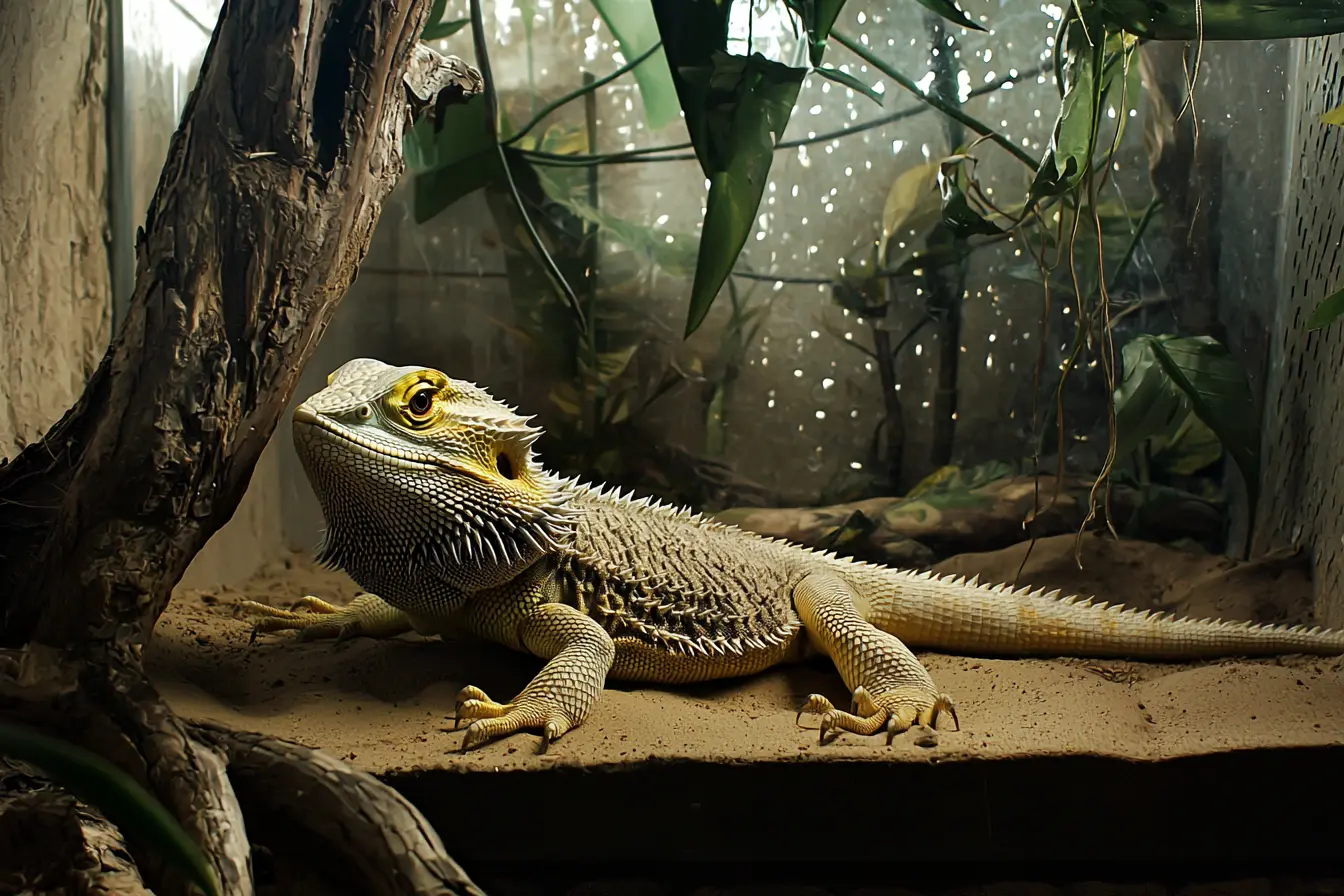
Owning a pet lizard can be immensely rewarding, but like any pet, lizards are susceptible to specific health issues. Understanding these common ailments and the importance of veterinary care specialised in reptiles is crucial for ensuring the health and longevity of your scaly friend. This guide will walk you through what you need to know.
Common Health Issues in Pet Lizards
Metabolic Bone Disease (MBD)
MBD is prevalent amongst captive lizards, primarily due to insufficient calcium intake or lack of exposure to UVB light, which is crucial for vitamin D3 synthesis and calcium absorption. Signs include swollen limbs, lethargy, and soft or deformed bones. Prevention involves ensuring a well-balanced diet supplemented with calcium and appropriate UVB lighting.
Respiratory Infections
Respiratory infections can occur if the temperature or humidity levels in the habitat are not optimal. Symptoms to watch for include laboured breathing, mucus in the mouth or nose, and wheezing. A specialist veterinarian can provide antibiotics and advice on adjusting your lizard's environment.
Parasitic Infections
Parasites, both internal and external, can affect lizards. External parasites like mites and ticks can be seen around the eyes, ears, and under scales, causing irritation and stress. Internal parasites might result in weight loss, diarrhoea, or bloating. Regular faecal exams by a vet can help identify and treat these parasites.
Nutritional Deficiencies
Improper diet can lead to various deficiencies. Symptoms vary but can include poor growth, weight loss, decreased appetite, and in severe cases, organ failure. A balanced diet specific to your lizard's species is critical, and a reptile veterinarian can provide dietary advice and supplements.
Skin Disorders
Skin disorders in lizards can range from fungal and bacterial infections to shedding problems. Symptoms might include discoloured skin, sores, and flaky or retained shed skin. Humidity adjustments, proper hygiene, and veterinary fungal or antibiotic treatments can manage these conditions.
The Importance of a Specialist Veterinarian
Expertise in Reptile Health
Reptiles have specific physiological and medical needs that general practice veterinarians may not be familiar with. Specialist reptile veterinarians have the training and experience to diagnose and treat issues unique to reptiles, such as those affecting lizards.
Access to Specialised Treatments
From specialised surgical procedures to specific pharmacological treatments not commonly employed in traditional veterinary practices, specialist veterinarians can provide a level of care that significantly improves outcomes for sick lizards.
Preventative Care and Advice
Regular check-ups with a reptile-savvy veterinarian can prevent many common health issues in lizards through early detection and management advice regarding diet, habitat setup, and general care.
Support for Owners
Specialist veterinarians can educate and support owners in the nuanced care requirements of lizards, helping them to make informed decisions about everything from dietary needs to environmental enrichment, thus enhancing the welfare of the pet.
Conclusion
Understanding the common health issues that can affect pet lizards and the vital role of specialist veterinarians in maintaining their health cannot be overstated. By investing in proper care, regular veterinary check-ups, and a suitable environment, lizard owners can ensure their pets lead healthy and fulfilling lives. Always consult with a specialist veterinarian who understands the unique needs of reptiles to provide the best care for your lizard.
Quick questions
- What should I know about reptile health care?
- Owning a pet lizard requires awareness of common health problems and the specialised veterinary care needed to address them. Important health issues include Metabolic Bone Disease, respiratory infections, parasitic infections,. Vet Verified can help you compare UK veterinary practices by location, species, services and opening hours before you call.
- When should I contact a vet about reptile health care?
- Contact a veterinary practice if your pet seems unwell, symptoms are getting worse, you are unsure what to do, or the situation may be urgent. Vet Verified helps you compare practice details, but a vet should advise on your pet's current care.
- Can Vet Verified help me find exotic vets?
- Yes. Use Vet Verified to compare exotic vets across the UK, then check practice profiles and call directly to confirm current availability.
Find a vet
Need a vet for this?
Use Vet Verified to compare UK veterinary practices that match this topic, then call the practice directly to confirm current services and availability.