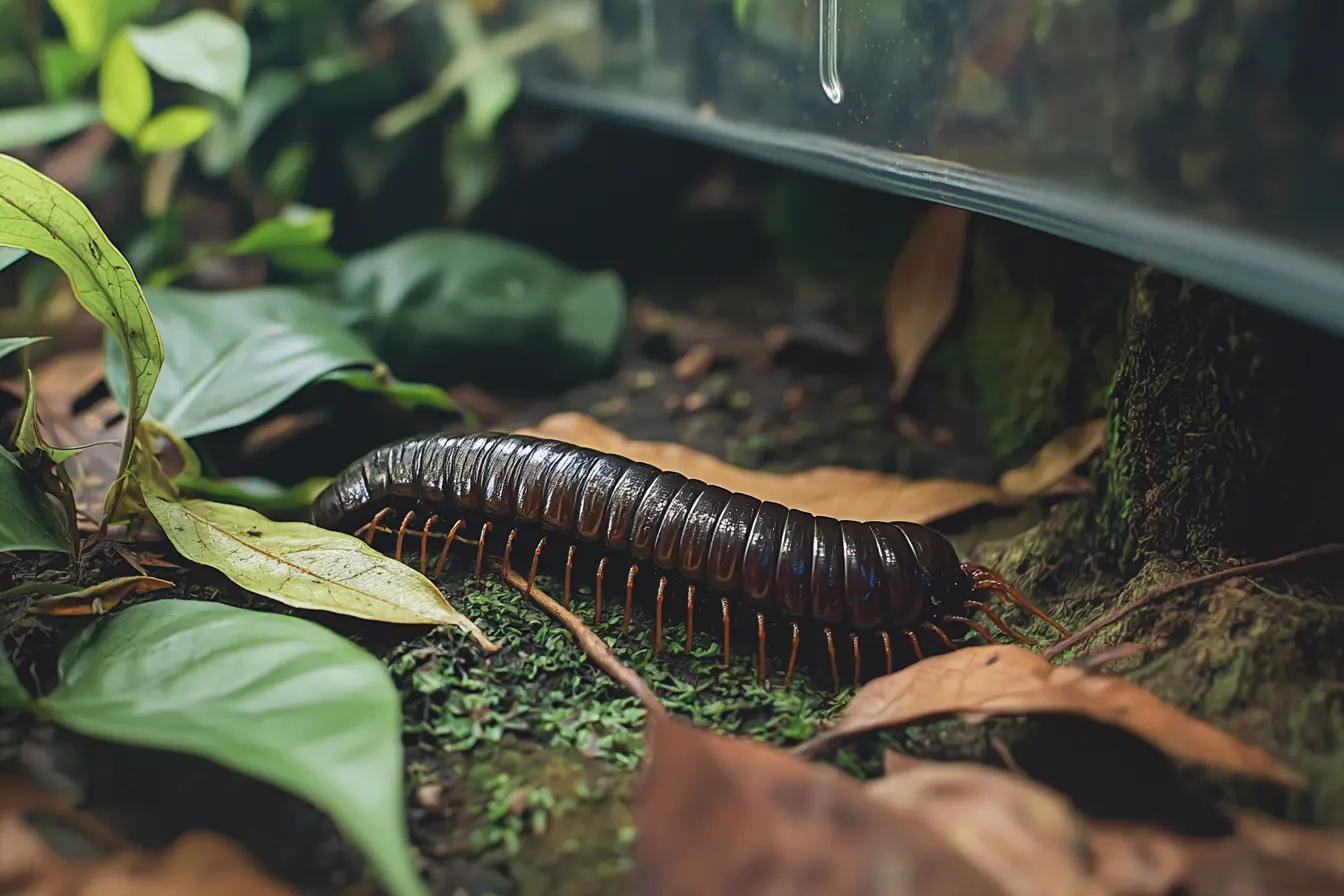
Millipedes are a fascinating and low-maintenance choice for pet enthusiasts interested in less conventional pets. This guide covers everything from selecting the right species to providing the best care for these gentle invertebrates.
Why Millipedes?
Millipedes are known for their calm demeanour and interesting behaviours. They play a crucial role in their ecosystems by breaking down plant material, making them not only captivating to observe but also beneficial. They are harmless to humans, making them suitable for families and educational environments.
Choosing Your Millipedes
Before acquiring a millipede, consider the following:
- Species: Popular choices include the Giant African Millipede (Archispirostreptus gigas) and the Bumblebee Millipede (Anadenobolus monilicornis), known for their distinctive sizes and manageable care requirements.
- Size and Lifespan: These creatures can range from a few centimetres to nearly a foot in length and typically live between 5 to 10 years.
- Legality: Check local regulations to ensure that the species you are interested in is legal to own.
Setting Up Their Habitat
Millipedes thrive in environments that mimic their natural habitat:
- Enclosure: A terrarium with a secure lid is essential to prevent escapes. Ensure it's spacious enough to allow for proper movement and burrowing.
- Substrate: Use a deep layer of moist organic soil mixed with decayed leaves and wood. This simulates their natural environment and aids in their burrowing behaviour.
- Temperature and Humidity: Maintain a steady temperature of 20-26°C and high humidity, which is critical for their health. Regular misting will help achieve the necessary humidity levels.
- Decorations: Provide hiding spots and materials for climbing to enrich their environment and mimic natural structures.
Feeding Your Millipedes
Millipedes are detritivores, primarily feeding on decaying organic matter:
- Diet: Include fresh vegetables and fruits in their diet, avoiding acidic foods which can harm them.
- Feeding Schedule: Feed every 2-3 days, removing any uneaten food promptly to prevent mould growth.
General Care and Maintenance
- Cleaning: Regular cleaning is essential. Conduct spot cleaning daily and replace the substrate monthly to maintain a clean and healthy environment.
- Health Monitoring: Observe your millipedes regularly for any signs of distress or illness, such as lethargy or a lack of appetite.
Handling and Social Life
- Handling: Millipedes can be handled gently, but infrequent handling is recommended as they can secrete a mild irritant when threatened.
- Community: Most millipedes are solitary but can coexist with others of the same species if given enough space.
Ethical Considerations
Ensure your millipedes are sourced from reputable suppliers to avoid supporting unethical wildlife trade. Be mindful of the ecological impact if they were to be released or escape into the local environment.
Conclusion
Keeping millipedes offers a unique opportunity to learn about and care for one of nature’s quieter decomposers. They require specific conditions to thrive but are ultimately rewarding for those willing to meet their needs. By providing the right care, millipedes can be a fascinating addition to your home or classroom.
Quick questions
- What should I know about pet millipede?
- Millipedes are a unique and low-maintenance pet suitable for those interested in unconventional creatures. Popular species like the Giant African Millipede are easy to care for and harmless to humans. Ideal habitats should. Vet Verified can help you compare UK veterinary practices by location, species, services and opening hours before you call.
- When should I contact a vet about pet millipede?
- Contact a veterinary practice if your pet seems unwell, symptoms are getting worse, you are unsure what to do, or the situation may be urgent. Vet Verified helps you compare practice details, but a vet should advise on your pet's current care.
- Can Vet Verified help me find exotic vets?
- Yes. Use Vet Verified to compare exotic vets across the UK, then check practice profiles and call directly to confirm current availability.
Find a vet
Need a vet for this?
Use Vet Verified to compare UK veterinary practices that match this topic, then call the practice directly to confirm current services and availability.