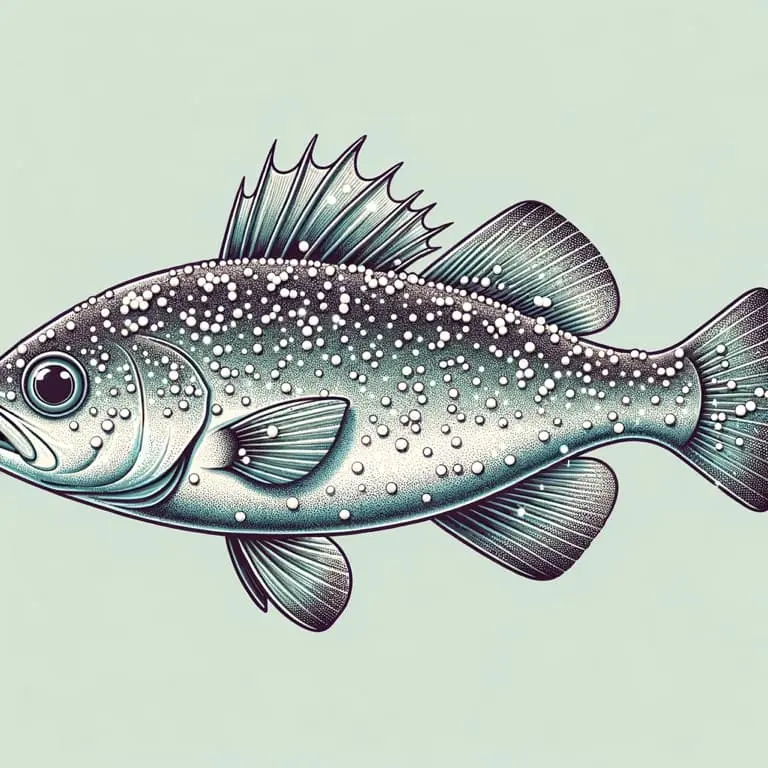
Whether you're a seasoned aquarist or just starting out, dealing with sick fish can be a bit of a headache. But don't worry, this guide will walk you through some of the most common fish diseases, their symptoms, and how to treat them.
1. Ich (White Spot Disease)
Symptoms — Your fish looks like it's been sprinkled with salt due to tiny white cysts on its skin, gills, and fins.
Causes — It's caused by a pesky parasite, Ichthyophthirius multifiliis.
Risks — If untreated, it can lead to severe stress, weakened immunity, and eventually death.
Treatment — Raise the aquarium's temperature slightly (to speed up the parasite's lifecycle) and treat the water with a copper-based medication or formalin. Make sure to follow the instructions on the treatment to avoid overdosing your fishy friends.
Prevention — Keep your aquarium clean and quarantine new fish before introducing them to your main tank.
2. Fin Rot
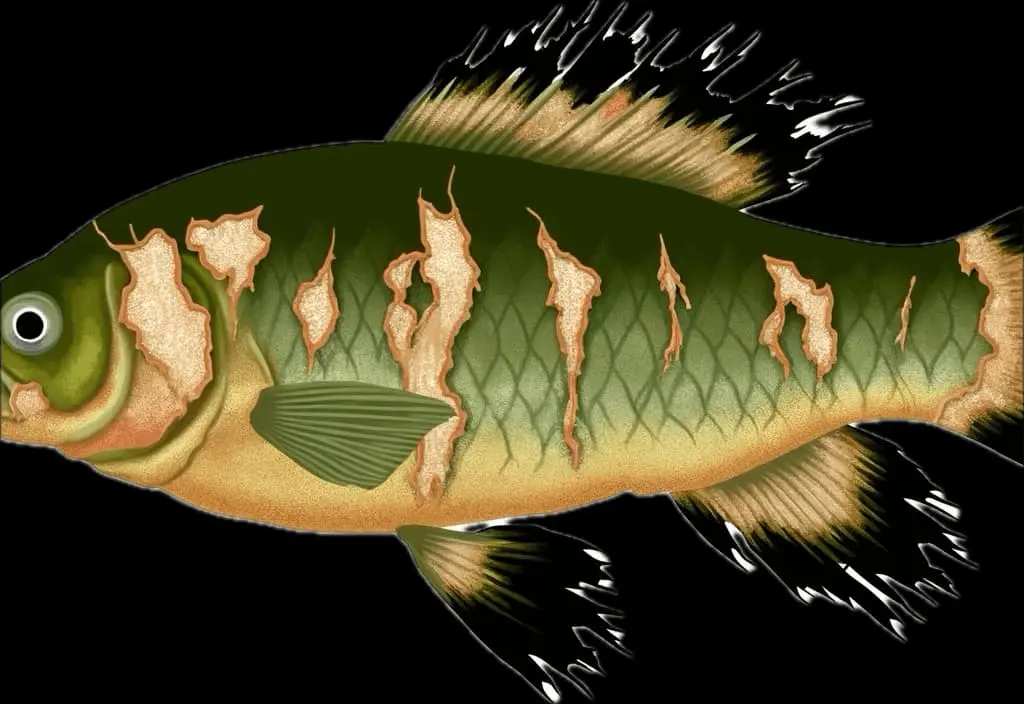
Symptoms — The edges of the fish’s fins appear torn or frayed, and might even have a whitish or blackish discoloration.
Causes — Poor water quality or a bacterial infection.
Risks — Left untreated, it can severely damage the fins and affect the fish's ability to swim.
Treatment — Improve water quality immediately and consider antibacterial treatments specifically designed for fin rot.
Prevention — Regular tank maintenance and water changes are key. Also, avoid overcrowding your tank.
More information on tank maintenance can be found in our guide here.
3. Velvet Disease
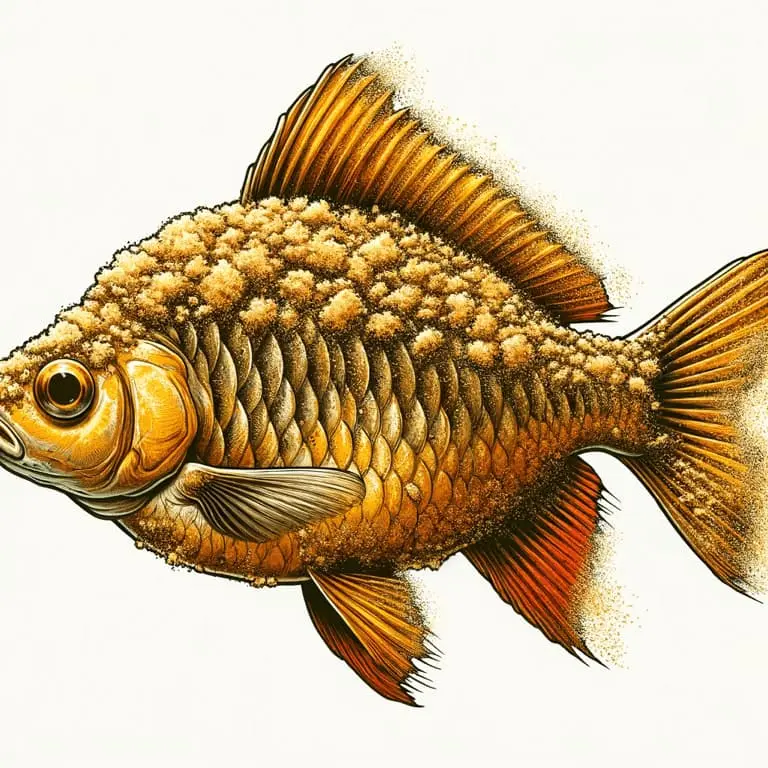
Symptoms — Fish display a dusty, velvet-like coating on their bodies, breathing difficulties, lethargy, and rubbing against objects.
Causes — A dinoflagellate parasite, Oodinium, is the culprit.
Risks — It's highly contagious and can quickly turn fatal.
Treatment — Quarantine affected fish and treat with copper-based medications or formalin. Dimming the lights can also help, as the parasite photosynthesizes.
Prevention — Quarantine new arrivals and maintain good water quality.
4. Dropsy
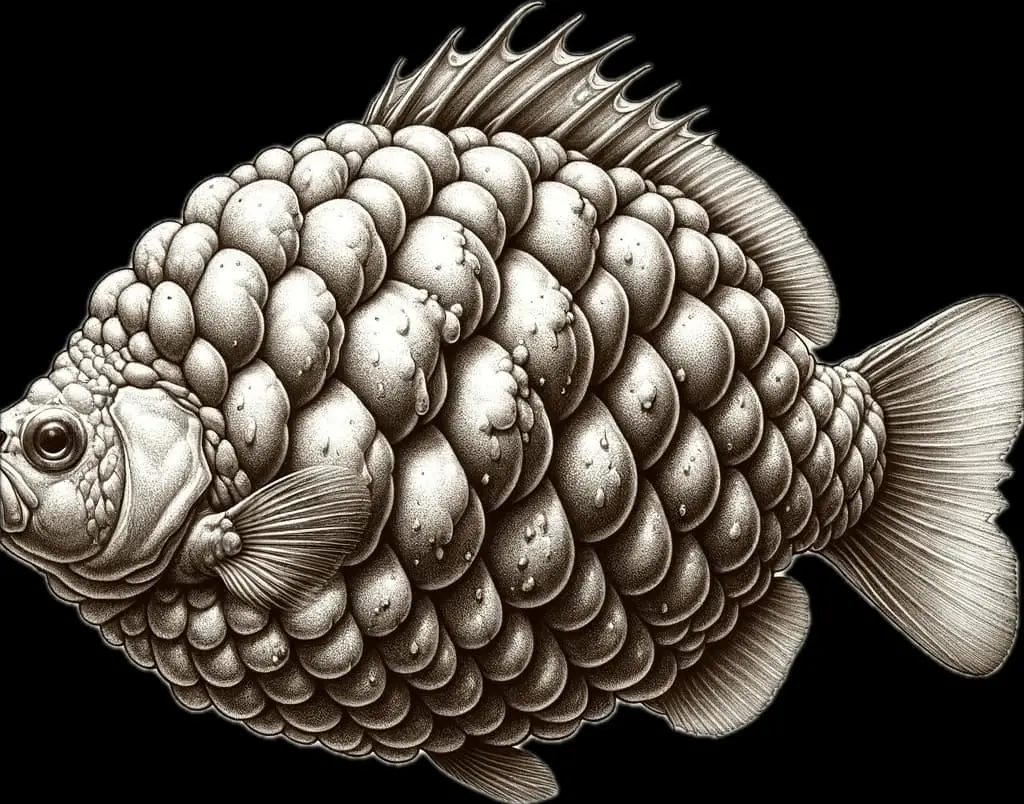
Symptoms — Fish exhibit a swollen body, raised scales, and may become less active.
Causes — It's usually a sign of kidney failure, caused by a bacterial infection.
Risks — Sadly, dropsy is often fatal if not caught early.
Treatment — Isolate the sick fish and try treating with antibacterial medicine, but success rates can be low. Improving water quality is crucial.
Prevention — Good tank management and avoiding overfeeding are your best bets.
5. Swim Bladder Disease
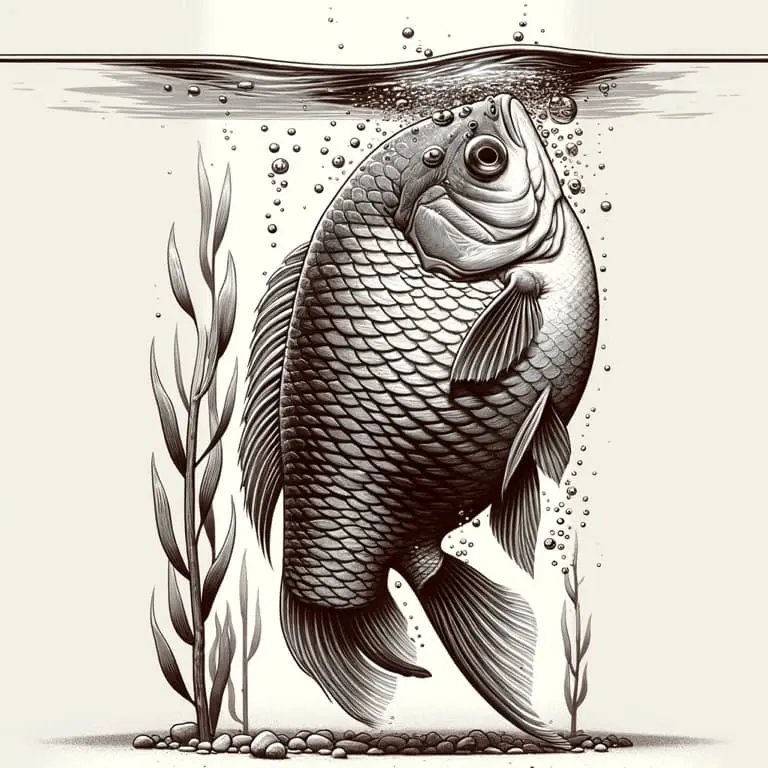
Symptoms — Fish have difficulty maintaining buoyancy, which might make them float upside down or sink to the bottom.
Causes — It can result from overeating, constipation, or a bacterial infection affecting the swim bladder.
Risks — While not directly fatal, it can stress the fish and make them susceptible to other diseases.
Treatment — Fasting your fish for a few days or feeding them peeled peas can help alleviate constipation. Antibiotics may be necessary for bacterial causes.
Prevention — Don't overfeed and ensure a varied diet.
Top Tips For Keeping Your Fish Healthy
- Regular Checks — Keep an eye on your fish for any signs of disease
- Water Quality — Test your water regularly and keep it clean.
- Quarantine — Always quarantine new fish for at least two weeks before adding them to your main tank.
- Balanced Diet — Feed your fish a varied and balanced diet.
Remember, the key to dealing with fish diseases is prevention and early intervention. By maintaining a clean and stress-free environment for your aquatic buddies, you'll significantly reduce the risks of these ailments. And if you do spot something fishy (pun intended), act quickly to treat the problem.
Quick questions
- What should I know about fish diseases?
- Caring for fish requires vigilance as they can fall victim to several illnesses. Key issues include Ich, Fin Rot, Velvet Disease, Dropsy, and Swim Bladder Disease. Correct treatments, such as temperature adjustments and. Vet Verified can help you compare UK veterinary practices by location, species, services and opening hours before you call.
- When should I contact a vet about fish diseases?
- Contact a veterinary practice if your pet seems unwell, symptoms are getting worse, you are unsure what to do, or the situation may be urgent. Vet Verified helps you compare practice details, but a vet should advise on your pet's current care.
- Can Vet Verified help me find a vet?
- Yes. Use Vet Verified to compare UK veterinary practices by location, species, services and opening hours, then call directly to confirm current availability.
Find a vet
Need a vet for this?
Use Vet Verified to compare UK veterinary practices that match this topic, then call the practice directly to confirm current services and availability.
Find a vet