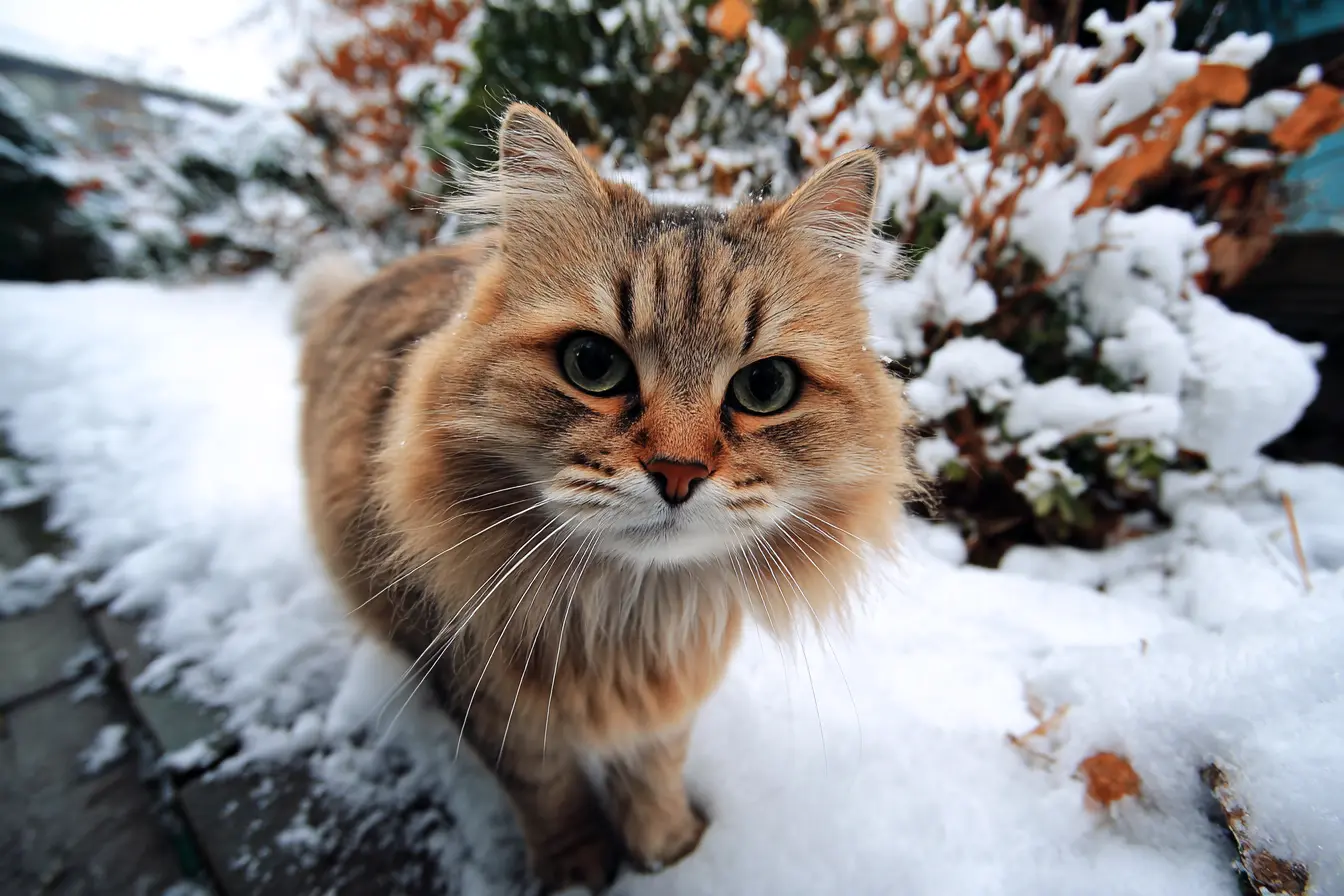
During the winter months, cats’ paws are exposed to a range of seasonal hazards, particularly in the UK where cold temperatures, damp conditions, ice and grit are common. While cats are meticulous groomers, their paws can still suffer from irritation, injury and infection if winter risks are not recognised and managed.
This guide explains common winter paw problems in cats, how to spot early warning signs, and what owners can do to keep their cat’s paws healthy throughout the colder months.
Why Winter Can Be Hard on Cats’ Paws
Cats’ paw pads are sensitive and richly supplied with blood vessels and nerves. In winter, they may come into contact with:
- Ice and compacted snow
- Grit, salt and chemical de-icers
- Cold, wet ground that softens the skin
- Sharp debris hidden under snow or mud
- Frozen surfaces that reduce grip
These factors can lead to soreness, cracks, chemical burns and infections, especially for cats that spend time outdoors.
Common Winter Paw Problems in Cats
Dry, Cracked or Sore Paw Pads
Cold air and repeated exposure to wet conditions can dry out paw pads, leading to cracking or splitting. This can make walking uncomfortable and increase the risk of infection.
Signs include:
- Limping or reluctance to walk
- Excessive licking or chewing at paws
- Rough, flaky or cracked pads
- Sensitivity when paws are touched
Irritation from Grit, Salt and De-Icers
Road salt and chemical de-icers used on pavements and driveways can irritate or burn cats’ paw pads. When cats groom themselves, these substances may also be ingested.
Symptoms may include:
- Red or inflamed skin between toes
- Sudden excessive grooming of paws
- Drooling or vomiting if chemicals are ingested
- Avoidance of walking on treated surfaces
Ice and Snow Build-Up
Snow and ice can stick to fur between the toes, particularly in long-haired cats. This can pull at the skin, cause discomfort and lead to limping.
Cuts, Abrasions and Foreign Objects
Ice and snow can conceal sharp objects such as stones, glass or thorns. Minor cuts may go unnoticed until infection develops, especially in damp winter conditions.
Interdigital Infections
Constant moisture and small skin injuries can allow bacteria or yeast to thrive between the toes, leading to painful infections.
Signs include:
- Red, swollen or weeping skin between toes
- Discharge or unpleasant odour
- Persistent licking
- Lameness
How to Protect Your Cat’s Paws in Winter
Check Paws Regularly
If your cat goes outdoors, check their paws regularly, particularly after icy or snowy weather. Look for:
- Cracks or dryness
- Redness or swelling
- Cuts or foreign material
- Signs of pain
Early detection prevents small issues from becoming serious.
Wipe Paws After Outdoor Access
Gently wiping paws with a damp cloth after outdoor trips helps remove salt, grit and chemicals. Dry paws thoroughly afterwards, especially between the toes.
Keep Fur Between Toes Trimmed
Long fur between toes can trap moisture, ice and grit. Keeping it neatly trimmed:
- Reduces ice build-up
- Makes cleaning easier
- Improves comfort and grip
A groomer or vet can help if you are unsure how to trim safely.
Limit Outdoor Access in Harsh Conditions
During freezing temperatures, heavy snow or when pavements are heavily treated with grit, it may be safer to keep cats indoors or restrict outdoor access.
Indoor Environment and Paw Health
Provide Warm, Dry Surfaces
Cold floors can worsen dry or sore paws. Ensure your cat has:
- Soft bedding in warm areas
- Raised beds or shelves
- Dry resting places away from draughts
Litter Tray Considerations
- Keep litter trays clean and dry.
- Damp litter can stick to sore paws and increase irritation.
- Consider a softer litter for cats with sensitive feet.
Grooming and Winter Paw Care
Regular Grooming
Regular brushing removes debris and prevents matting around paws. It also allows you to spot early signs of problems.
Avoid Human Products
Do not use human moisturisers, antiseptics or creams on cat paws unless advised by a vet. Many products are toxic if licked.
Only use treatments specifically formulated for cats.
When to Contact the Vet
Seek veterinary advice if you notice:
- Persistent limping
- Bleeding, swelling or discharge
- Deep cracks or wounds
- Signs of infection
- Excessive licking that does not improve
Prompt treatment helps prevent pain and complications.
Special Considerations for Certain Cats
Kittens
- Have delicate paw pads.
- Are more vulnerable to cold and chemical irritation.
- Should be supervised closely outdoors in winter.
Senior Cats
- May have reduced circulation.
- Heal more slowly from paw injuries.
- Arthritis can be worsened by sore or cold feet.
Cats with Health Conditions
Cats with diabetes, allergies or skin conditions may be more prone to infections and require extra care.
Conclusion
Winter brings a unique set of challenges for cats’ paws, particularly in the UK where damp, icy conditions and road treatments are common. With regular checks, good hygiene and sensible precautions, most winter paw problems can be prevented or addressed early.
By paying close attention to your cat’s paws during the colder months, you can help ensure they remain comfortable, mobile and healthy throughout winter.
Quick questions
- What should I know about winter?
- Winter in the UK can be tough on cats' paws due to cold, wet conditions, ice, and grit. Cats may face issues like dry, cracked pads, irritation from grit, ice build-up, cuts, and infections. To protect your cat, check their paws. Vet Verified can help you compare UK veterinary practices by location, species, services and opening hours before you call.
- When should I contact a vet about winter?
- Contact a veterinary practice if your pet seems unwell, symptoms are getting worse, you are unsure what to do, or the situation may be urgent. Vet Verified helps you compare practice details, but a vet should advise on your pet's current care.
- Can Vet Verified help me find cat vets?
- Yes. Use Vet Verified to compare cat vets across the UK, then check practice profiles and call directly to confirm current availability.
Find a vet
Need a vet for this?
Use Vet Verified to compare UK veterinary practices that match this topic, then call the practice directly to confirm current services and availability.
Search by species