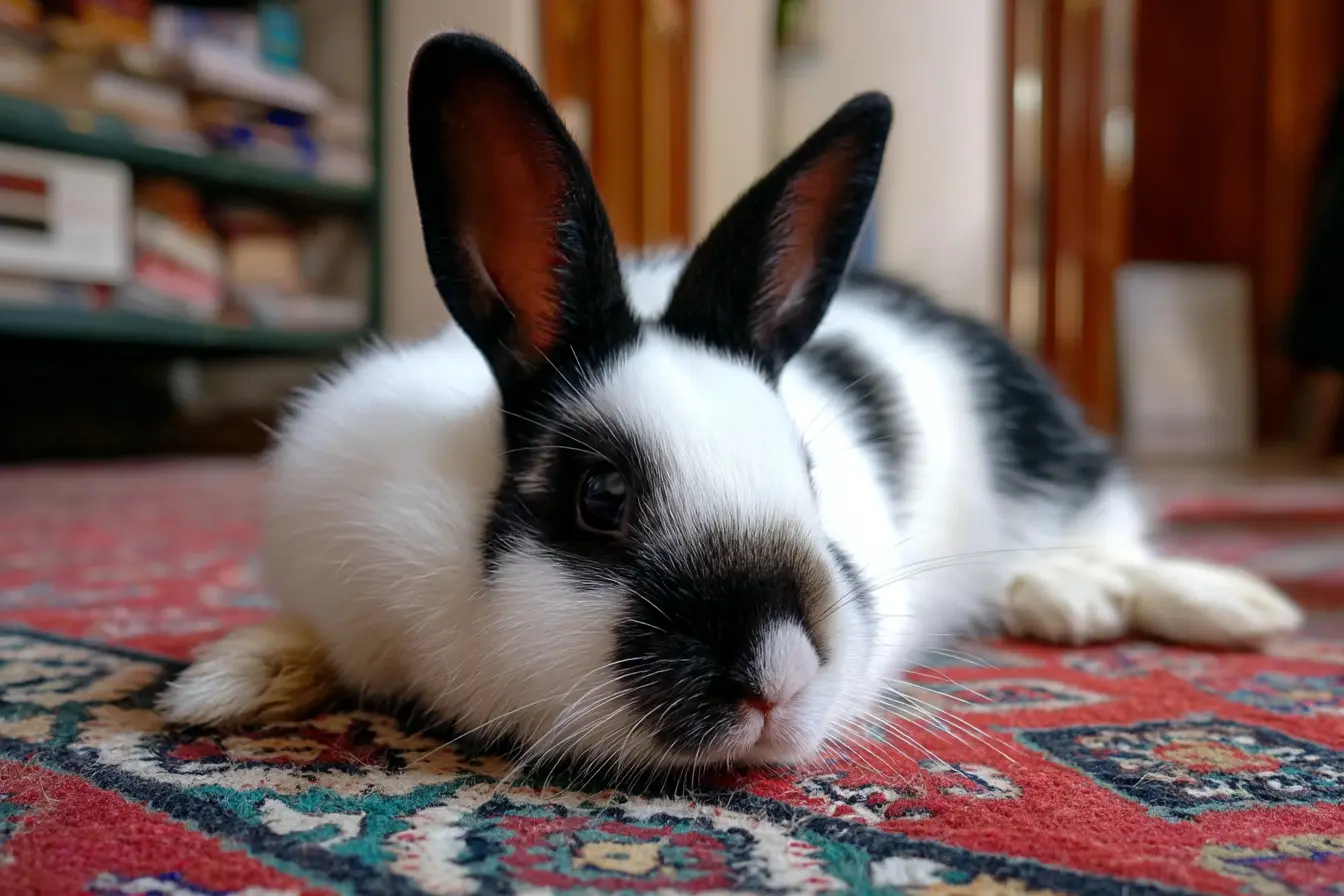
The Himalayan rabbit is one of the oldest and most distinctive rabbit breeds in the world. Known for its elegant appearance, gentle temperament, and iconic point colouring, the Himalayan is a favourite among pet owners and show exhibitors alike. Despite its name, the breed’s true origins remain a mystery, but its unique pattern and sweet nature have made it a cherished rabbit for centuries.
This blog post provides a detailed look at the Himalayan rabbit, including its history, characteristics, personality, care needs, health considerations, and what to expect when keeping this beautiful breed.
The History of the Himalayan Rabbit
Unlike many rabbit breeds, the Himalayan has an uncertain origin. Despite the name, the breed is not confirmed to come from the Himalayas. It may have originated in Asia, Russia, or the Middle East, but its distinctive pointed pattern has been recorded for hundreds of years.
The Himalayan is one of the few rabbit breeds that appears across multiple countries under the same name, suggesting it has ancient roots. It was introduced to Europe in the 1800s and became a popular exhibition and pet breed thanks to its unique colouring and calm temperament.
Key Characteristics of the Himalayan Rabbit
- Weight: 1.1–2 kg
- Body type: Slender, cylindrical, and fine-boned
- Lifespan: 5–8 years
- Fur type: Short, fine, and soft
- Unique trait: Dark “points” on the nose, ears, feet, and tail
- Colours: Black, blue, chocolate, or lilac points on a white body
The Himalayan’s point markings are temperature-sensitive, meaning colder climates cause darker or larger points, while warmer environments may lighten the colour.
Temperament and Behaviour
Himalayans are often described as one of the calmest and most gentle rabbit breeds.
Common Personality Traits:
- Exceptionally docile and placid
- Friendly and people-oriented
- Gentle with children (when supervised)
- Typically not skittish or jumpy
- Enjoy relaxing with their owners
- Easy to handle
Their relaxed nature makes them well-suited to indoor living and very popular among both beginners and experienced rabbit keepers.
Housing Requirements
Despite their calmness and small size, Himalayan rabbits still require spacious housing and daily exercise.
Indoor Housing
Himalayans thrive indoors due to their friendly, people-loving personalities.
Ideal setups include:
- A large indoor pen
- A rabbit-proofed room
- Free-roaming in a safe home
Ensure flooring is soft, secure, and non-slip.
Outdoor Housing
Outdoor living is possible, but extra care is needed:
- A sheltered, insulated hutch
- A spacious, predator-proof run
- Protection from wind, cold, and damp
- Summer shade to prevent overheating
Because their colouring responds to temperature, outdoor rabbits may develop darker points in winter.
Housing Essentials
- Solid flooring
- Soft bedding (hay, fleece, or paper bedding)
- Litter trays
- Tunnels, hides, and toys
- Plenty of space to stretch and hop
Even calm breeds require room to move, cramped hutches are never suitable.
Diet and Nutrition
Himalayan rabbits have the same dietary needs as other domestic breeds.
Hay (80–90% of diet)
Provide unlimited:
- Timothy
- Meadow hay
- Orchard grass
- Ryegrass
Hay keeps teeth healthy and supports digestion.
Fresh Vegetables
Offer daily:
- Spring greens
- Kale (sparingly)
- Herbs (coriander, parsley, basil, mint)
- Romaine lettuce
- Dandelion greens
Pellets
Choose high-fibre, timothy-based pellets.
Daily amount:
- Adults: 1–2 tablespoons
- Young rabbits: More to support growth
Treats
Give sparingly:
- Carrot
- Apple
- Strawberry tops
- Banana (very small amount)
Fresh water must always be available.
Exercise and Enrichment
Even though Himalayans are calm, they still benefit from daily enrichment.
Recommended Enrichment:
- Cardboard tunnels
- Play boxes
- Hay racks
- Foraging toys
- Dig boxes
- Safe outdoor play in good weather
Regular exercise helps prevent obesity, encourages curiosity, and supports mental wellbeing.
Grooming and Coat Care
Himalayans have short coats that require minimal grooming.
Grooming Tips:
- Weekly brushing
- Daily brushing during moulting seasons
- Nail trimming every 4–6 weeks
- Rear-end checks for cleanliness
- Regular vet checks for teeth and weight
Their fur is low-maintenance, making them ideal for owners who prefer a simple grooming routine.
Health Considerations
Himalayans are generally healthy but, like all rabbits, require attentive care.
Common Health Issues:
- Dental problems
- GI stasis
- Flystrike (in summer months)
- Respiratory infections
- Obesity (in inactive rabbits)
Temperature Sensitivity
Their colouring changes with temperature:
- Cold = darker points
- Heat = lighter points
Extreme temperatures can affect not only appearance but also health, so stable environments are ideal.
Veterinary Care
- Annual vaccinations (Myxomatosis + RHD1 + RHD2)
- Neutering recommended for pets
- Regular check-ups
Always seek advice from a rabbit-savvy veterinarian.
Social Needs and Bonding
Himalayans are social animals and thrive with companionship.
Ideal Companions:
- Another gentle, calm rabbit
- Neutered opposite-sex pairs work best
- Bonding should be done slowly in neutral territory
A bonded pair improves mental health and reduces stress.
Is a Himalayan Rabbit the Right Choice for You?
Himalayan rabbits are excellent companions, but they are best suited to certain homes.
Ideal For:
- First-time rabbit owners
- Families with older children
- People who want a calm, gentle rabbit
- Indoor living arrangements
- Homes with time for daily companionship
Not Ideal For:
- Very young children
- Homes with little space
- People seeking a highly active breed
- Outdoor-only environments with extreme temperatures
Their relaxed personality makes them one of the most manageable breeds.
Conclusion
The Himalayan rabbit is a gentle, beautiful, and ancient breed that offers companionship, calmness, and elegance. With their iconic point colouring, relaxed personality, and affectionate nature, they make wonderful pets for those willing to give them proper space, diet, enrichment, and veterinary care.
Their easy-going temperament makes them ideal for indoor homes and loving families. With the right care, a Himalayan rabbit can become a deeply rewarding and cherished companion.
Quick questions
- What should I know about himalayan rabbit?
- The Himalayan rabbit is a charming and ancient rabbit breed known for its unique point colouring and gentle nature. Despite its mysterious origins, this breed has been cherished for centuries. Ideal for families and first-time. Vet Verified can help you compare UK veterinary practices by location, species, services and opening hours before you call.
- When should I contact a vet about himalayan rabbit?
- Contact a veterinary practice if your pet seems unwell, symptoms are getting worse, you are unsure what to do, or the situation may be urgent. Vet Verified helps you compare practice details, but a vet should advise on your pet's current care.
- Can Vet Verified help me find a vet?
- Yes. Use Vet Verified to compare UK veterinary practices by location, species, services and opening hours, then call directly to confirm current availability.
Find a vet
Need a vet for this?
Use Vet Verified to compare UK veterinary practices that match this topic, then call the practice directly to confirm current services and availability.
Find a vet