The Complete Guide to Keeping African Giant Millipedes
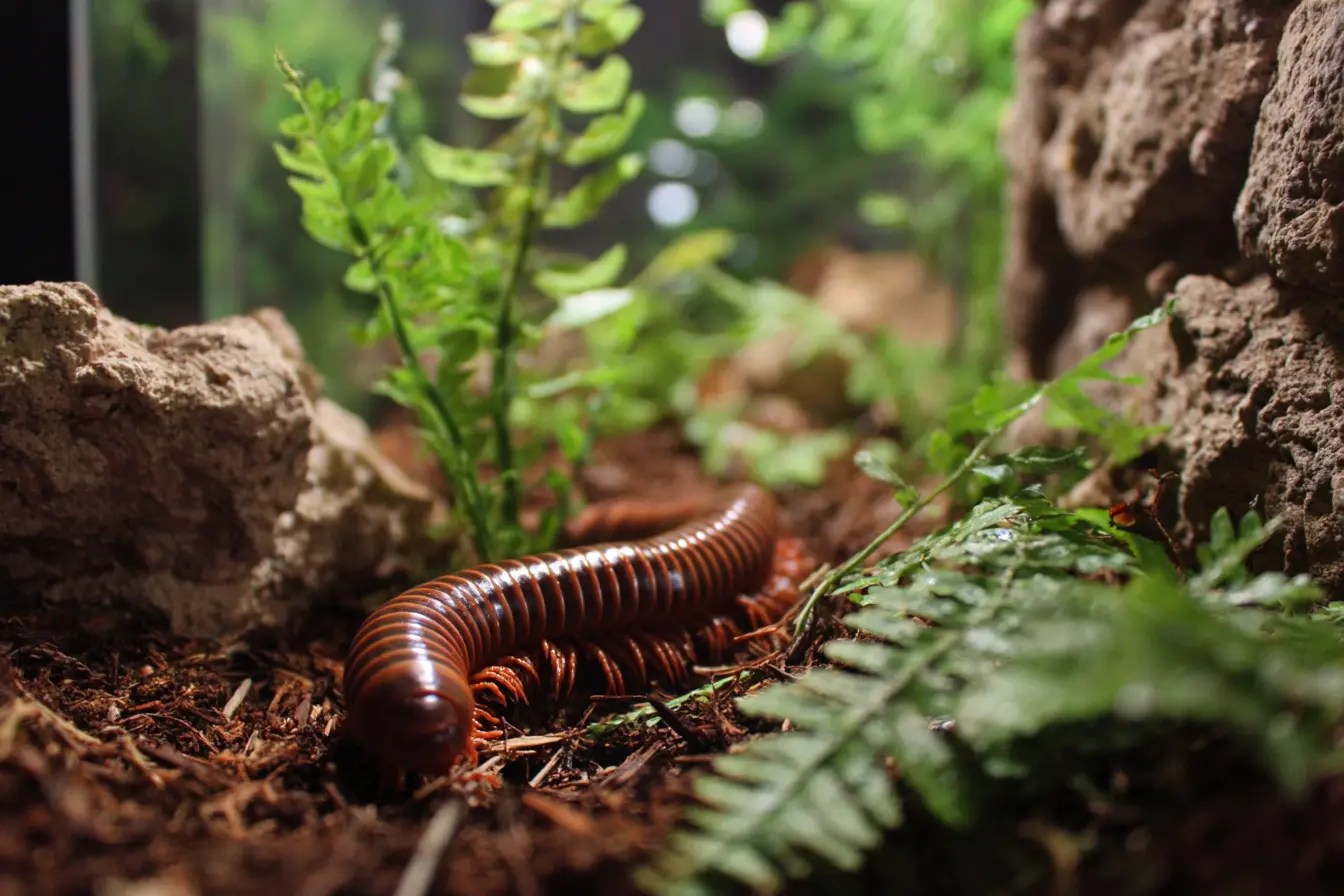
African Giant Millipedes (Archispirostreptus gigas) are among the largest and most impressive terrestrial invertebrates available in the hobby. Known for their slow movements, glossy segmented bodies, and peaceful nature, they are a popular choice for keepers seeking a low-maintenance yet fascinating species.
Native to tropical regions of East Africa, these millipedes thrive in warm, humid environments rich in decaying organic matter. When properly cared for, they are hardy, long-lived, and highly rewarding to observe.
What Are African Giant Millipedes?
African Giant Millipedes are detritivores, meaning they feed primarily on decomposing plant material. Despite their many legs (often 200–400), they move slowly and deliberately, making them easy to observe.
They are:
- Large: Can reach 20–30 cm in length
- Terrestrial: Ground-dwelling burrowers
- Docile: Non-aggressive and easy to manage
- Nocturnal: Most active during the evening
When threatened, they may curl into a spiral and secrete a mild defensive fluid.
Enclosure Requirements
Tank Size
African Giant Millipedes require more floor space than height.
- Single adult: Minimum 30 x 30 cm enclosure
- Pairs or groups: Larger enclosures recommended
A good rule is at least twice the length of the millipede in floor space.
Enclosure Type
A simple, well-ventilated enclosure works well.
Suitable options include:
- Glass terrariums
- Plastic tubs with ventilation holes
- Acrylic enclosures
Ensure the enclosure has a secure lid, as millipedes can climb surprisingly well.
Substrate
Substrate is the most important aspect of their care.
It should be:
- Deep: At least 10–15 cm
- Moist (not waterlogged)
- Rich in organic material
Recommended mix:
- Coco fibre
- Decayed hardwood leaves
- Rotting wood (white, soft, pesticide-free)
- Topsoil (chemical-free)
The substrate also serves as their primary food source, so it must be replenished regularly.
Temperature and Humidity
As tropical invertebrates, they require warmth and humidity.
- Temperature: 22–26°C
- Humidity: 70–80%
Maintain humidity by misting regularly and keeping part of the substrate damp. Good ventilation is essential to prevent mould.
Lighting
No special lighting is required.
- Ambient room light is sufficient
- Avoid direct sunlight
They prefer darker conditions and will often remain hidden during the day.
Decor and Enrichment
Provide a naturalistic setup that encourages burrowing and exploration.
Include:
- Leaf litter across the surface
- Pieces of cork bark or rotting wood
- Moss for moisture retention
Avoid sharp or heavy objects that could collapse or injure burrowing millipedes.
Diet and Feeding
African Giant Millipedes are detritivores and require a diet rich in decomposing plant matter.
Staple Diet:
- Decaying leaves
- Rotting hardwood
- Organic substrate
Supplemental Foods:
- Cucumber
- Courgette
- Carrot
- Sweet potato
- Occasional fruit (e.g. apple, banana)
Calcium Source:
- Cuttlebone
- Crushed eggshells
Feed fresh food 2–3 times per week and remove uneaten portions before they spoil.
Avoid:
- Citrus fruits
- Processed or salted foods
- Anything treated with pesticides
Behaviour and Temperament
African Giant Millipedes are extremely calm and non-aggressive.
Typical behaviour:
- Slow, continuous movement
- Burrowing into substrate
- Surface activity at night
When disturbed, they may:
- Curl into a tight spiral
- Secrete a defensive fluid
This secretion can cause mild skin or eye irritation, so hands should be washed after handling.
Handling
These millipedes can be handled gently, though it should be done sparingly.
Handling tips:
- Support their entire body
- Avoid pulling or grabbing
- Handle close to a surface to prevent injury from falls
Always wash hands after handling, and avoid touching your face.
Moulting and Growth
Millipedes grow by moulting and may spend extended periods underground.
During moulting:
- They remain buried
- Do not disturb the substrate
- Increased humidity is beneficial
Frequent disturbances can lead to failed moults, which are often fatal.
Breeding
Breeding can occur in captivity under the right conditions.
- Eggs are laid in the substrate
- Juveniles are tiny and remain hidden
- Growth is slow and requires stable conditions
A deep, nutrient-rich substrate is essential for successful breeding.
Common Health Issues
African Giant Millipedes are generally hardy, but issues can arise.
Watch for:
- Desiccation (dry, shrivelled appearance)
- Lethargy
- Surface inactivity combined with dryness
- Mites (often harmless, but excessive numbers may indicate poor conditions)
Most problems stem from incorrect humidity or poor substrate quality.
Lifespan and General Care
- Lifespan: 7–10 years in captivity
- Activity: Mostly nocturnal
- Maintenance: Regular misting, substrate upkeep, and feeding
They are low-maintenance compared to many exotic pets but still require consistent care.
Tank Mates
African Giant Millipedes can be kept with their own species.
Possible companions:
- Other millipedes (similar size)
- Some isopods (with caution)
Avoid:
- Predatory species
- Animals that may disturb or injure them
Overcrowding should be avoided to reduce stress and competition.
Conclusion
African Giant Millipedes are gentle, fascinating invertebrates that make excellent display animals for both beginners and experienced keepers. Their size, calm nature, and unique ecological role as decomposers make them a standout species in the invertebrate hobby.
With the right substrate, consistent humidity, and a steady supply of organic material, these millipedes can thrive for many years. For those seeking a peaceful, low-interaction species with plenty of natural behaviour to observe, the African Giant Millipede is an outstanding choice.
Vets near you
Speciality vets
- Aquatics vet specialists
- Birds vet specialists
- Camelids vet specialists
- Cats vet specialists
- Cattle vet specialists
- Deer vet specialists
- Dogs vet specialists
- Equines vet specialists
- Exotic vet specialists
- Goats vet specialists
- Pigs vet specialists
- Poultry vet specialists
- Sheep vet specialists
- Small Mammals vet specialists
- Wild vet specialists
Vet facilities
- Accessible by public transport
- Blood testing
- Car park nearby
- Client car park
- Dentistry
- Diagnostic imaging
- Disabled public access
- Flea and worm treatments
- Microchipping
- Mobile services
- Neutering
- Open at weekends
- Out-of-hours service
- Referral interests
- Referrals only
- Street parking outside
- Toilets available
- Vaccinations