The Complete Guide to Keeping Venomous Pets: Practicalities, Risks, and Legal Considerations
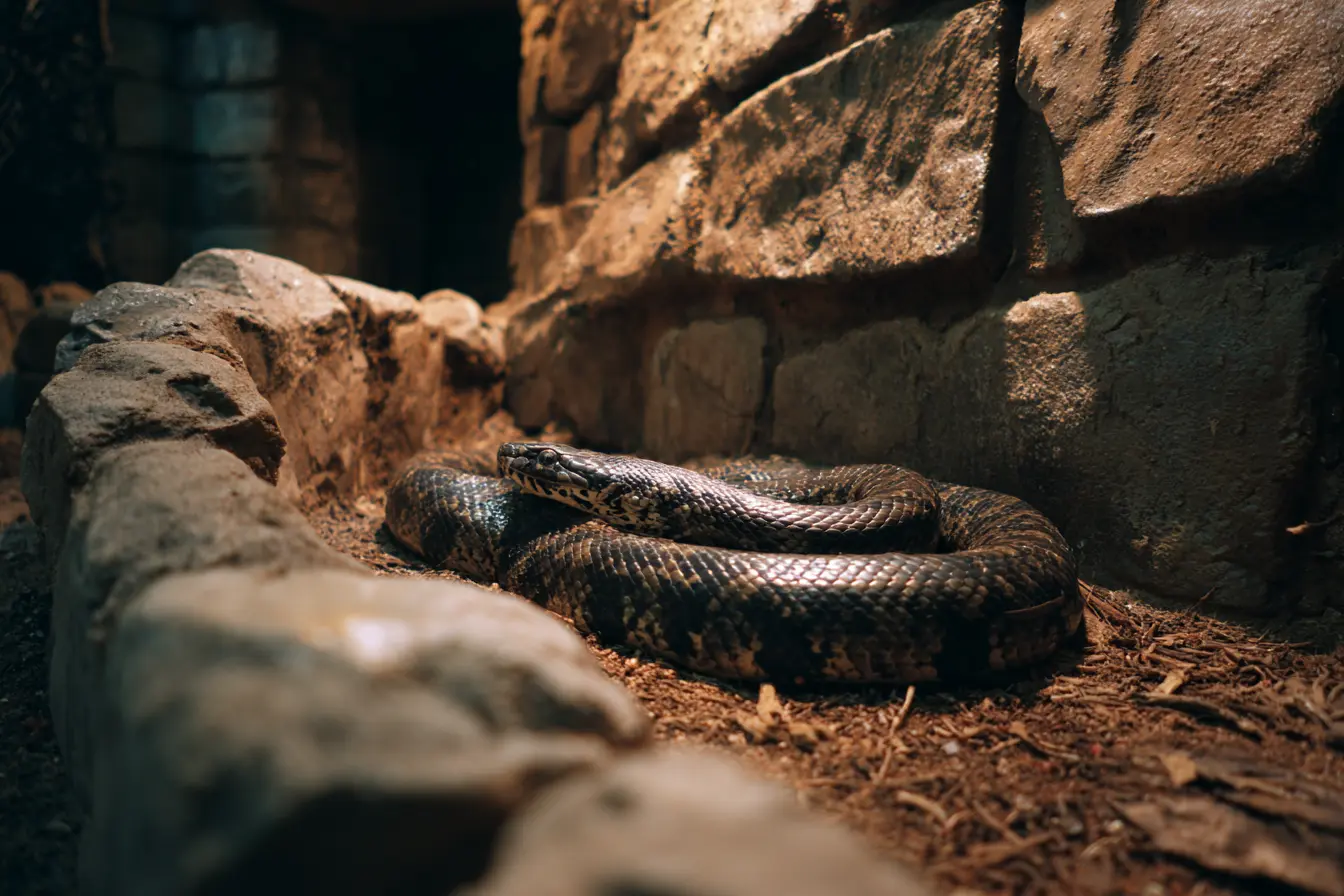
Keeping a venomous pet is a serious and highly specialised commitment that goes far beyond standard exotic animal care. Whether you are considering venomous reptiles (such as vipers or cobras), invertebrates (such as certain spiders or scorpions), or other toxic species, the responsibility involved is significant.
This guide explores the practical realities of keeping venomous animals, the risks involved, and the legal considerations in the UK, that must be understood before proceeding.
What Counts as a Venomous Pet?
A venomous animal is one that can actively deliver toxins through a bite, sting, or other specialised mechanism. This is distinct from poisonous animals, which are harmful if touched or ingested.
Common venomous pets include:
- Snakes (e.g. vipers, cobras, rattlesnakes)
- Certain lizards (e.g. Gila monsters)
- Scorpions
- Some spiders (particularly Old World tarantulas)
- Marine species (e.g. lionfish, cone snails)
The level of danger varies widely, from mild local reactions to life-threatening envenomation.
The Reality of Keeping Venomous Animals
It’s important to be clear: keeping venomous animals is not a casual hobby.
You are taking on:
- Personal risk of serious injury or death
- Legal responsibility for public safety
- Ethical responsibility for proper containment
- The need for specialist knowledge and equipment
Many experienced keepers describe it less as “pet keeping” and more as “risk management”.
Enclosure and Security Requirements
Escape-Proof Housing
The enclosure must be completely secure.
This includes:
- Lockable enclosures (often legally required)
- Tight-fitting lids with no gaps
- Reinforced materials (glass, acrylic, or sealed wood)
- Secondary containment where possible (e.g. dedicated rooms)
Even a small escape can have severe consequences.
Controlled Access
Access to the animal must be strictly limited.
Best practices include:
- Keeping the enclosure in a locked room
- Restricting access to trained individuals only
- Clear labelling indicating venomous contents
Children, visitors, and pets should never have unsupervised access.
Safe Maintenance Design
Enclosures should be designed to minimise direct interaction.
Examples:
- Sliding panels instead of top-opening lids
- Feeding ports or trap boxes
- Removable water dishes accessible from outside
The goal is to reduce the need to be within striking range.
Handling and Equipment
No-Handling Principle
For most venomous species, handling is strongly discouraged or entirely avoided.
Instead, keepers rely on:
- Snake hooks
- Tongs/forceps
- Tubing techniques (for reptiles)
- Catch cups (for invertebrates)
Direct contact dramatically increases risk.
Personal Protective Equipment (PPE)
While PPE does not eliminate risk, it can reduce it.
Depending on species:
- Bite-resistant gloves (limited effectiveness)
- Eye protection
- Long tools to maintain distance
It is important to understand that no PPE makes venomous handling “safe”.
Feeding and Routine Care
Feeding venomous animals requires planning and caution.
- Pre-killed prey is strongly recommended
- Use tools (never hands) to offer food
- Avoid feeding situations that encourage defensive strikes
Routine care (cleaning, water changes) should be done with the same level of caution as handling.
Emergency Planning
This is one of the most critical aspects and is often overlooked.
Bite Protocol
You must have a clear plan in place before acquiring the animal:
- Know the species and its venom type
- Have emergency contact numbers readily available
- Inform local emergency services if appropriate
- Never attempt “DIY” treatment
Antivenom Access
In the UK, antivenom is typically held in specialist hospital centres.
You should:
- Know which hospitals stock relevant antivenom
- Be aware that some exotic species may not have readily available treatment
- Understand that response time is critical
Informing Others
At least one other responsible adult should:
- Know what species you keep
- Understand the risks
- Know what to do in an emergency
Legal Considerations (UK)
Keeping venomous animals in the UK is regulated under the Dangerous Wild Animals Act 1976 (DWA).
Do You Need a Licence?
Many venomous species require a licence from your local council.
Animals commonly covered include:
- Venomous snakes (most species)
- Certain spiders and scorpions (depending on species and risk level)
- Other hazardous exotic animals
Not all venomous invertebrates are regulated, but this varies so always check before purchasing.
Requirements for a Licence
To obtain a DWA licence, you will typically need to demonstrate:
- Secure, escape-proof housing
- Appropriate experience and knowledge
- Adequate insurance (public liability)
- That the animal poses no risk to the public
Your premises may be inspected by:
- Council officials
- Veterinary professionals
Costs and Renewals
- Licences are issued by local councils
- Fees vary (often £100–£500+)
- Licences must be renewed periodically
Failure to comply can result in:
- Seizure of animals
- Fines
- Legal prosecution
Insurance
Public liability insurance is often required and strongly recommended regardless of legal obligation.
Ethical Considerations
Even if legal, not all venomous animals are appropriate to keep.
Consider:
- Can you provide lifelong, secure housing?
- Do you have the experience to manage risk?
- Is the animal captive-bred or wild-caught?
- What happens if you can no longer keep it?
Impulse purchases in this area can have serious consequences.
Who Should (and Shouldn’t) Keep Venomous Pets?
Potentially suitable keepers:
- Experienced reptile/invertebrate keepers
- Individuals with formal training or mentorship
- Those willing to prioritise safety above all else
Not suitable for:
- Beginners
- Households with young children
- Anyone seeking a “hands-on” pet
- Those unwilling to follow strict protocols
Common Mistakes to Avoid
- Underestimating the speed of the animal
- Poor enclosure security
- Handling unnecessarily
- Lack of emergency planning
- Ignoring legal requirements
Most serious incidents occur due to complacency.
Lifespan and Long-Term Commitment
Many venomous animals live for years or decades.
You must plan for:
- Long-term care
- Potential relocation issues
- Changing legal requirements
This is not a short-term commitment.
Conclusion
Keeping a venomous pet is a highly specialised and high-risk pursuit that requires careful planning, legal compliance, and a strong respect for the animal’s capabilities.
In the UK, legal requirements such as the Dangerous Wild Animals Act make it essential to understand your obligations before acquiring such a species. Beyond legality, the practical realities, secure housing, safe maintenance, and emergency preparedness, are critical to responsible ownership.
For the right, highly experienced keeper, venomous animals can be fascinating to observe and study. However, they demand a level of responsibility that far exceeds that of typical pets, and should never be taken on lightly.
Contents
- What Counts as a Venomous Pet?
- The Reality of Keeping Venomous Animals
- Enclosure and Security Requirements
- Handling and Equipment
- Feeding and Routine Care
- Emergency Planning
- Legal Considerations (UK)
- Ethical Considerations
- Who Should (and Shouldn’t) Keep Venomous Pets?
- Common Mistakes to Avoid
- Lifespan and Long-Term Commitment
- Conclusion
Tags
Vets near you
Speciality vets
- Aquatics vet specialists
- Birds vet specialists
- Camelids vet specialists
- Cats vet specialists
- Cattle vet specialists
- Deer vet specialists
- Dogs vet specialists
- Equines vet specialists
- Exotic vet specialists
- Goats vet specialists
- Pigs vet specialists
- Poultry vet specialists
- Sheep vet specialists
- Small Mammals vet specialists
- Wild vet specialists
Vet facilities
- Accessible by public transport
- Blood testing
- Car park nearby
- Client car park
- Dentistry
- Diagnostic imaging
- Disabled public access
- Flea and worm treatments
- Microchipping
- Mobile services
- Neutering
- Open at weekends
- Out-of-hours service
- Referral interests
- Referrals only
- Street parking outside
- Toilets available
- Vaccinations