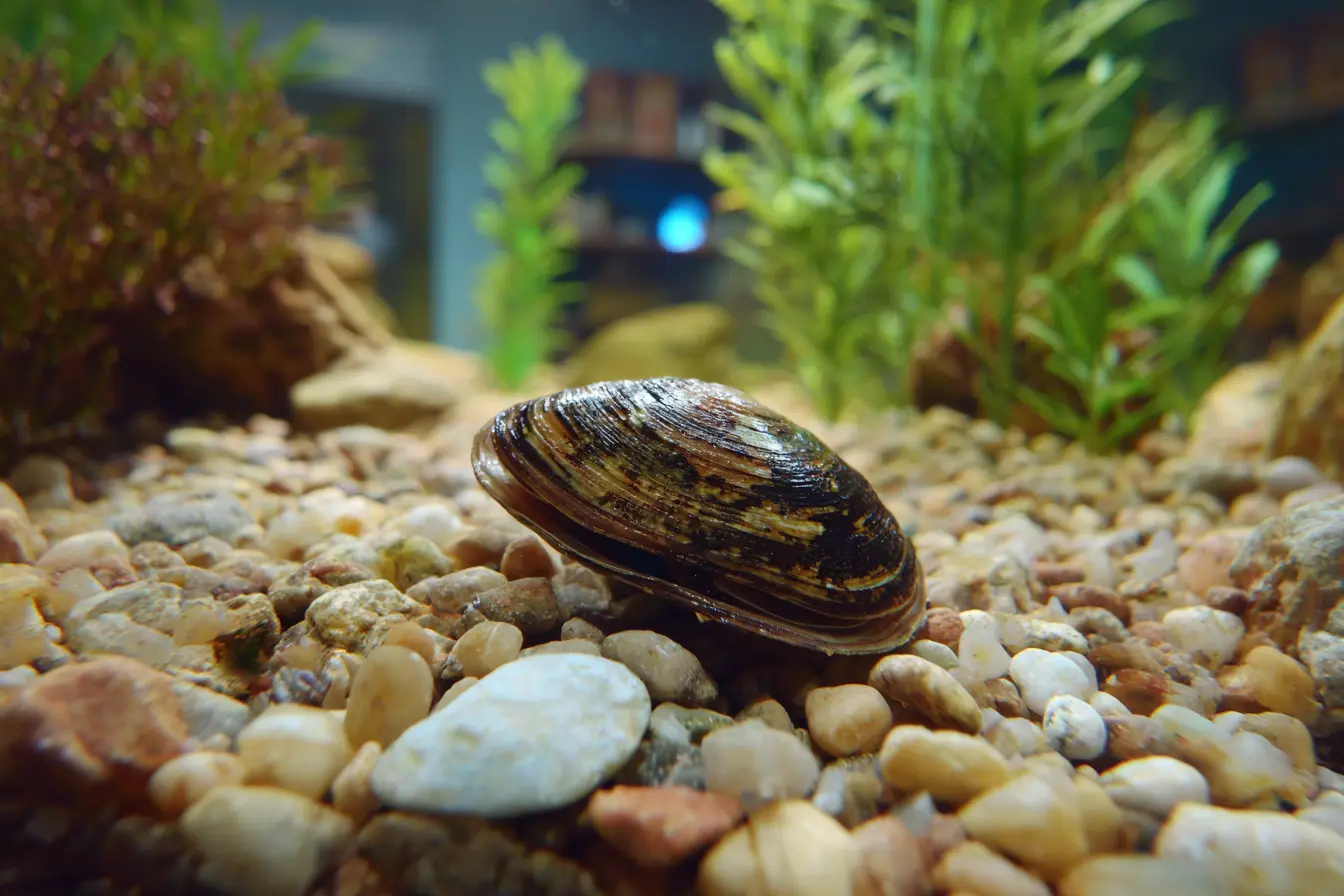
Freshwater mussels are often overlooked in garden ponds, but they play an important role in maintaining water quality and supporting a balanced ecosystem. These fascinating invertebrates not only filter water and reduce algae but also create a natural habitat for other pond life, including fish and amphibians. Here’s everything you need to know about keeping freshwater mussels in your pond.
What Are Freshwater Mussels?
Freshwater mussels are bivalve molluscs that live in rivers, lakes, and ponds across the UK. In garden ponds, the most common native species include:
- Swan mussel (Anodonta cygnea) – Large and long-lived, they’re the most popular pond mussel.
- Duck mussel (Anodonta anatina) – Similar to the swan mussel but slightly smaller.
Both species are peaceful, undemanding, and well-suited to life in a wildlife-friendly pond.
Benefits of Mussels in Your Pond
- Natural filtration: Mussels filter plankton and tiny organic particles from the water, helping to keep it clear.
- Support biodiversity: Mussels provide habitat for tiny invertebrates and help maintain a balanced ecosystem.
- Breeding host for bitterling: Mussels are essential for breeding bitterling, a small native fish that lays its eggs inside mussels.
Mussels do not directly add oxygen to the water like plants or aeration equipment, but their constant filtering helps maintain healthy conditions that indirectly support good oxygen levels.
Pond Requirements for Mussels
Pond Size and Depth
Mussels don’t need a huge pond, but they do need stable conditions:
- Pond size: A pond of at least 500 litres (110 gallons) is suitable for a small group.
- Depth: At least 45–60 cm (18–24 inches) to protect mussels from temperature extremes.
Substrate
A soft, natural substrate is essential:
- Sandy or fine gravel bottom: Mussels bury themselves slightly into the substrate for stability.
- Avoid sharp stones or rough liners: Mussels have delicate shells that can be damaged by rough edges.
Water Quality
Good water quality is key to keeping mussels healthy:
- pH: Between 7.0 and 8.0.
- Ammonia and nitrite: Must be zero.
- Nitrate: Keep below 40 ppm to prevent algae blooms.
Regular testing and partial water changes (10–20%) every few weeks help maintain healthy conditions.
Filtration and Oxygenation
While mussels filter water themselves, they still benefit from good pond circulation:
- Filtration: A basic filter keeps waste from building up and maintains clarity.
- Aeration: Waterfalls, fountains, or air stones help ensure mussels have enough oxygen, especially during warm weather.
Feeding Mussels
Freshwater mussels are filter feeders:
- Natural diet: They consume plankton, algae, and tiny organic particles suspended in the water.
- No supplemental feeding needed: In a well-established pond with a balanced ecosystem, mussels will find plenty to eat naturally.
However, in very new or heavily filtered ponds, there may be too little plankton for mussels to thrive. In these cases, adding small amounts of liquid invertebrate food (available from aquatic suppliers) can support mussel health. Keep in mind that in many garden ponds, the lack of plankton can limit the long-term survival of mussels.
Sourcing Mussels Responsibly
It’s important to source freshwater mussels responsibly:
- Legal and conservation considerations: Wild mussels are protected in many areas, and collection from natural habitats is generally prohibited in the UK. Some native mussel species are also protected under the Wildlife and Countryside Act.
- Reputable suppliers: Only purchase mussels from licensed aquatic suppliers who provide mussels bred or sourced legally and sustainably. This helps protect wild populations and ensures you’re introducing healthy mussels to your pond.
Seasonal Care
Spring and Summer
- Check water clarity: Mussels should be visible and gently moving in the water.
- Avoid stirring up the pond: Sudden disturbance can dislodge mussels from their chosen spots.
Autumn
- Remove excess leaves: Decaying leaves can produce gases harmful to mussels.
- Prune pond plants: Reduces organic waste that can settle and affect water quality.
Winter
- No feeding needed: Mussels slow their metabolism in cold water.
- Avoid disturbing the pond bottom: Mussels will be resting deeper in the substrate.
Health and Common Issues
Mussels are generally hardy if water conditions are good, but watch for:
- Dead mussels: A mussel lying open and not closing when touched is likely dead. Remove immediately to avoid polluting the pond.
- Poor water quality: Cloudy water, foul smells, or high ammonia/nitrite can quickly harm mussels.
- Sharp or rough surfaces: These can damage mussel shells.
Regular checks and good water quality are key to preventing issues.
Introducing Mussels to Your Pond
When adding mussels:
- Acclimatise slowly: Place them gently on the pond bottom. They’ll gradually bury themselves in the substrate.
- Avoid sudden temperature changes: Mussels are sensitive to rapid shifts in water temperature.
- Monitor new arrivals: Healthy mussels will slowly open and filter the water.
Mussels and Fish
Mussels coexist well with most peaceful pond fish, especially:
- Bitterling: Mussels are essential for bitterling breeding.
- Rudd, minnows, sticklebacks: Small native fish that help keep the pond balanced.
Avoid adding large, aggressive fish like koi that may damage mussels or uproot them.
Supporting a Natural Pond Ecosystem
Freshwater mussels are perfect for wildlife-friendly ponds:
- Encourage biodiversity: Mussels help keep the water clean and create a habitat for tiny invertebrates.
- Natural filtration: They’re a sustainable, low-maintenance way to improve water quality.
- Promote balance: Mussels contribute to the pond’s natural cycle and reduce the need for artificial treatments.
Conclusion
Freshwater mussels are a quiet but vital part of a healthy pond ecosystem. With stable water quality, a soft substrate, and peaceful fish companions, your mussels will filter and clean the pond naturally, supporting a thriving and beautiful aquatic environment. Always ensure your mussels come from reputable sources to protect the health of your pond and the wider environment.
Quick questions
- What should I know about freshwater mussels?
- Freshwater mussels are important for garden ponds, improving water quality and benefiting the ecosystem. These molluscs filter water and support biodiversity by providing habitats for invertebrates. Popular species in the UK. Vet Verified can help you compare UK veterinary practices by location, species, services and opening hours before you call.
- When should I contact a vet about freshwater mussels?
- Contact a veterinary practice if your pet seems unwell, symptoms are getting worse, you are unsure what to do, or the situation may be urgent. Vet Verified helps you compare practice details, but a vet should advise on your pet's current care.
- Can Vet Verified help me find a vet?
- Yes. Use Vet Verified to compare UK veterinary practices by location, species, services and opening hours, then call directly to confirm current availability.
Find a vet
Need a vet for this?
Use Vet Verified to compare UK veterinary practices that match this topic, then call the practice directly to confirm current services and availability.
Find a vet