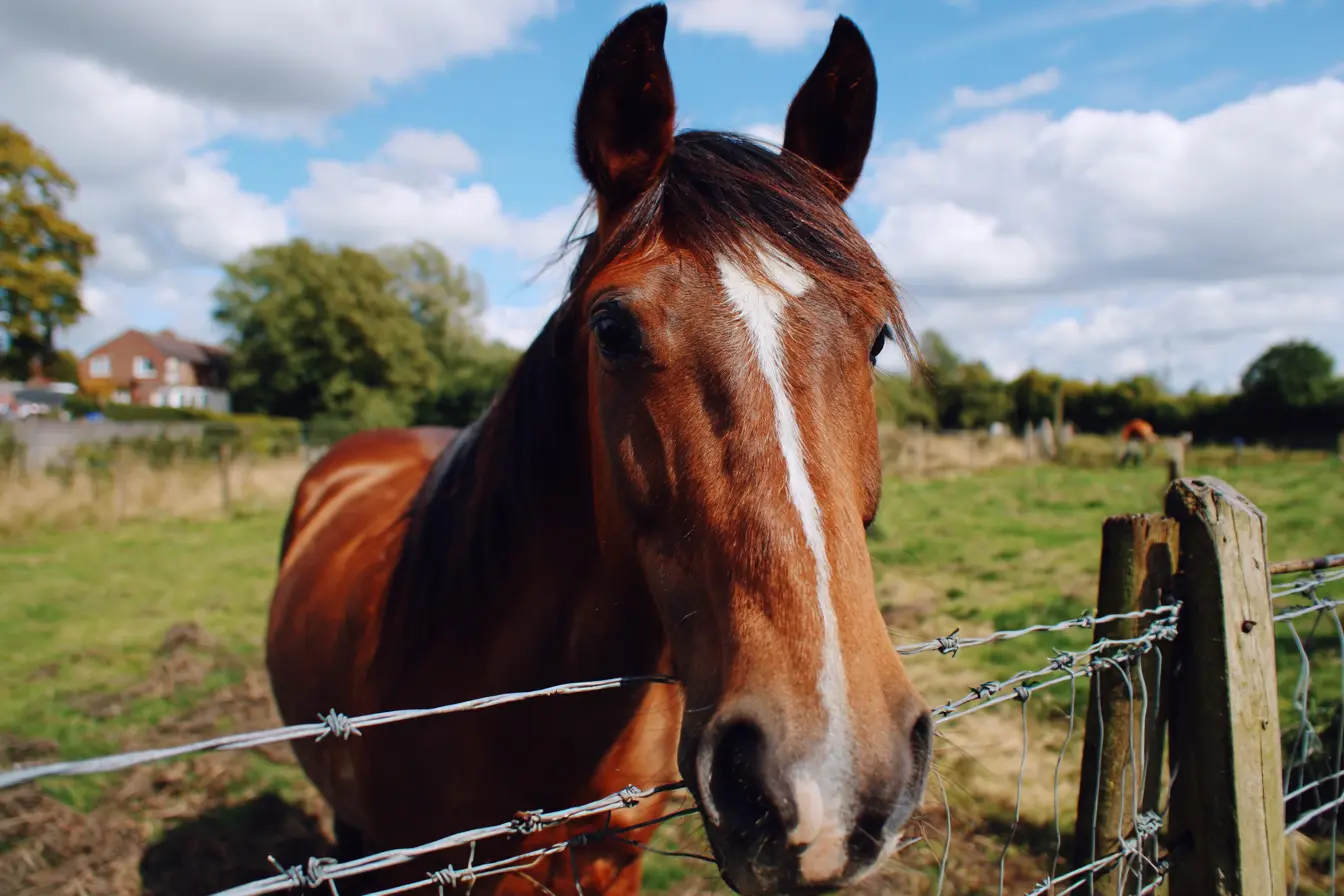
Equine Herpesvirus-1 (EHV-1) is one of the most significant and widespread viral infections in horses, affecting equine populations worldwide. It is a highly contagious disease that can cause respiratory illness, abortion in pregnant mares, neonatal death, and in some cases, a severe neurological condition known as equine herpesvirus myeloencephalopathy (EHM).
Because EHV-1 can spread rapidly through equine facilities and have devastating effects on both breeding and performance horses, understanding how it spreads, how to recognise the signs, and how to prevent outbreaks is essential for every horse owner.
What Is Equine Herpesvirus-1
EHV-1 is a DNA virus belonging to the herpesvirus family, which includes several strains that affect horses. There are two main types of equine herpesviruses associated with disease:
- EHV-1: Causes respiratory disease, abortions, neonatal death, and neurological disease (EHM).
- EHV-4: Primarily causes respiratory disease, especially in young horses, and rarely leads to abortion or neurological symptoms.
Once a horse is infected with EHV-1, the virus remains in its body for life. It can become latent (dormant) within the horse’s nervous system and reactivate during times of stress, illness, or transport, making it an ongoing management challenge.
How EHV-1 Spreads
EHV-1 is highly contagious and spreads primarily through direct contact with infected horses or indirect contact with contaminated objects. The virus can be found in nasal secretions, aborted foetuses, placental tissue, and fluids.
Common Routes of Transmission
- Nose-to-nose contact with infected horses
- Inhalation of airborne virus particles from coughing or sneezing
- Contaminated equipment such as buckets, tack, or grooming tools
- Human clothing, hands, or footwear transferring virus between horses
- Contact with aborted material or infected placenta
- Shared stabling or transport environments
The virus is relatively fragile in the environment, surviving only a few days under normal conditions, but it spreads very efficiently in close-contact settings such as barns, showgrounds, and breeding farms.
Forms of EHV-1 Disease
EHV-1 can cause several distinct clinical syndromes, depending on the strain of the virus, the horse’s immune status, and other risk factors.
1. Respiratory Disease
This is the most common form and primarily affects young horses in training or those under stress.
Typical signs include:
- Fever (often the first and only sign)
- Nasal discharge
- Coughing
- Lethargy and loss of appetite
- Enlarged lymph nodes under the jaw
The respiratory form generally resolves with rest and supportive care but can weaken the immune system and predispose horses to other infections.
2. Abortion (EHV-1 Abortion Virus)
Pregnant mares infected with EHV-1 may abort late in pregnancy, typically between 7 and 11 months of gestation. The abortion often occurs suddenly, without prior illness. The aborted foal, placenta, and fluids contain high levels of the virus and are highly infectious to other horses.
Sometimes, the foal is carried to term but is born weak and dies shortly after birth due to viral damage to the lungs and organs.
3. Neurological Form – Equine Herpesvirus Myeloencephalopathy (EHM)
The neurological form is caused by damage to the blood vessels in the brain and spinal cord, leading to inflammation and loss of nerve function. It can occur sporadically or as part of an outbreak.
Signs include:
- Fever (often preceding neurological symptoms)
- Loss of coordination or weakness in the hind limbs
- Difficulty standing or walking
- Incontinence or dribbling urine
- Tail paralysis
- Recumbency (inability to rise)
EHM can be life-threatening and may require intensive care. Horses that recover can sometimes be left with residual neurological deficits.
Risk Factors for EHV-1 Outbreaks
Certain conditions make horses more susceptible to infection or reactivation of latent virus:
- Stress from transport, competition, or weaning
- Crowded conditions and frequent movement between facilities
- Poor biosecurity or shared equipment
- Pregnant mares in late gestation
- Young horses in training yards
- Older or immunocompromised horses
Because the virus can remain dormant and reactivate under stress, strict management is required even in apparently healthy herds.
Diagnosis
Veterinary diagnosis is essential, particularly during outbreaks or when abortion or neurological symptoms are seen.
Diagnostic methods include:
- Nasal swab or blood sample for PCR testing to detect viral DNA
- Post-mortem examination of aborted foetuses or tissues
- Paired blood samples to measure rising antibody levels over time
Prompt diagnosis helps confirm infection, guide isolation protocols, and prevent further spread.
Treatment
There is no cure for EHV-1, but supportive care can help affected horses recover.
For Respiratory Cases
- Rest and isolation for at least 3 weeks after fever resolution
- Non-steroidal anti-inflammatory drugs (NSAIDs) to reduce fever and inflammation
- Fluids and good-quality nutrition
- Monitoring for secondary bacterial infections
For Neurological Cases (EHM)
- Intensive nursing care, including assistance with standing and mobility
- Anti-inflammatory medications such as corticosteroids or NSAIDs
- Antiviral medications (e.g., acyclovir or valacyclovir) in some cases
- Intravenous fluids and bladder management
Horses with mild neurological signs can recover with time, though severely affected horses may require euthanasia if they cannot stand or eat.
For Pregnant Mares
- Immediate isolation after abortion or suspected exposure
- Thorough disinfection of contaminated areas
- Monitoring of other pregnant mares for signs of infection or premature udder development
Prevention and Biosecurity
Prevention is the most effective way to control EHV-1, as treatment options are limited once infection occurs.
Vaccination
Vaccination helps reduce the risk of respiratory disease and abortion but may not prevent the neurological form entirely.
- Pregnant mares should be vaccinated at 5, 7, and 9 months of gestation with a vaccine licensed for abortion prevention.
- Young horses in training and performance horses should be vaccinated regularly according to veterinary advice.
- All horses on breeding farms or in boarding facilities should be kept on an appropriate vaccination schedule.
Quarantine and Isolation
- Isolate new horses for a minimum of 21 days before introducing them to the herd.
- Immediately isolate horses showing fever, cough, or nasal discharge.
- Designate separate equipment and handlers for isolated horses.
Hygiene and Disinfection
- Wash hands and change clothing after handling different horses.
- Disinfect buckets, grooming tools, and tack regularly.
- Clean stables and trailers thoroughly between uses.
- Properly dispose of bedding, placenta, and aborted material.
Reduce Stress
Minimising stress can reduce viral reactivation in carrier horses:
- Avoid unnecessary transport or competition during late pregnancy.
- Maintain consistent feeding and turnout routines.
- Keep horses in stable groups to reduce social stress.
Managing an EHV-1 Outbreak
If EHV-1 is confirmed in a yard or farm:
- Quarantine all horses and halt movement on and off the premises.
- Isolate sick horses in a separate area with dedicated equipment and handlers.
- Take temperature readings of all horses twice daily to identify new cases early.
- Inform your veterinarian and relevant authorities for guidance.
- Maintain strict hygiene and disinfection until the outbreak is fully contained.
Outbreak control can take several weeks or even months, depending on the number of affected horses and the facility’s management practices.
Prognosis
The prognosis for respiratory and abortion forms of EHV-1 is generally good with supportive care. Horses that recover can return to normal activity once fully recovered and cleared by a veterinarian.
For neurological cases, the prognosis is more variable. Some horses recover completely, while others may experience lasting weakness or paralysis. Early intervention and good nursing care improve the chances of recovery.
Conclusion
Equine Herpesvirus-1 is a serious and contagious disease that poses a major threat to horse health and breeding operations. Because the virus can cause respiratory illness, abortion, and neurological disease, prevention through vaccination, strict biosecurity, and stress reduction is the most effective defence.
Regular monitoring, early detection, and swift isolation of affected horses can help control outbreaks and protect the wider equine community. With good management and veterinary support, most horses can recover and continue to live healthy, productive lives, even after exposure to EHV-1.
Quick questions
- What should I know about equine herpesvirus-1?
- Equine Herpesvirus-1 (EHV-1) is a serious virus affecting horses worldwide, causing respiratory illness, abortions, and neurological issues. It spreads through direct contact with infected horses or items, and remains dormant in. Vet Verified can help you compare UK veterinary practices by location, species, services and opening hours before you call.
- When should I contact a vet about equine herpesvirus-1?
- Contact a veterinary practice if your pet seems unwell, symptoms are getting worse, you are unsure what to do, or the situation may be urgent. Vet Verified helps you compare practice details, but a vet should advise on your pet's current care.
- Can Vet Verified help me find horse vets?
- Yes. Use Vet Verified to compare horse vets across the UK, then check practice profiles and call directly to confirm current availability.
Find a vet
Need a vet for this?
Use Vet Verified to compare UK veterinary practices that match this topic, then call the practice directly to confirm current services and availability.