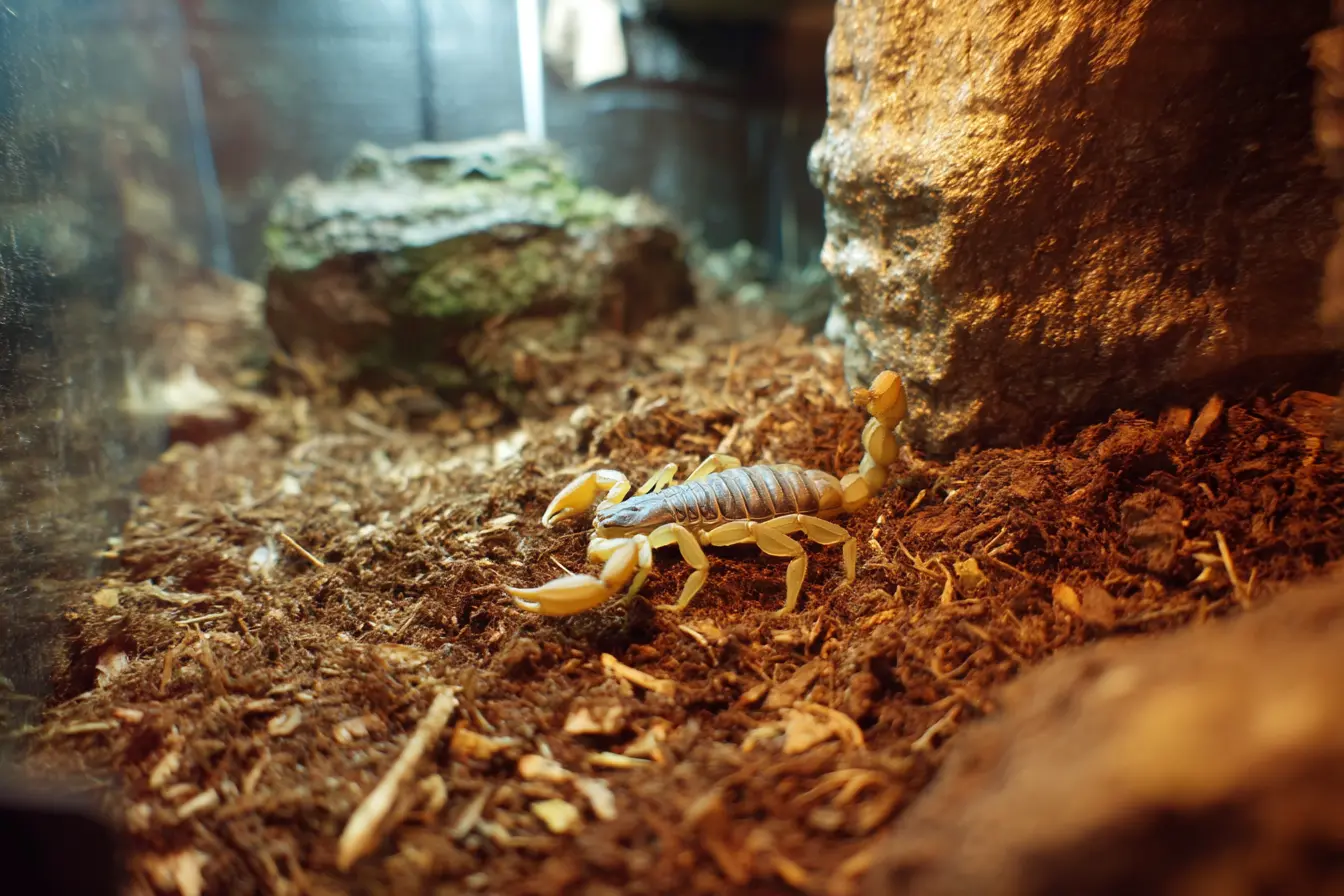
Owning a scorpion is a unique and rewarding experience. These fascinating creatures require specific care, and their diet plays a vital role in their overall health and well-being. This guide will walk you through everything you need to know about feeding your scorpion, ensuring they thrive in their new environment.
Understanding Your Scorpion’s Diet
Most pet scorpions are insectivores, meaning their diet primarily consists of live insects. Scorpions are opportunistic hunters and will eat whenever prey is available, provided they're hungry. Common food items include:
- Crickets: A staple food for most pet scorpions.
- Mealworms: A nutritious treat, though not ideal as a sole diet.
- Roaches: Dubia or other small roach species make excellent, nutrient-rich prey.
- Waxworms: High in fat, so offer these sparingly.
Always ensure the prey is an appropriate size—generally, no larger than the scorpion’s body (excluding its tail). Feeding prey that is too large can stress your scorpion or pose a danger.
Feeding Schedule
The frequency of feeding depends on the scorpion’s species, size, and age:
- Juvenile Scorpions: Feed every 2-3 days, as they are growing and require more nutrients.
- Adult Scorpions: Feed once or twice a week. Adults have slower metabolisms and don’t need to eat as frequently.
Observe your scorpion’s behaviour to determine their hunger levels. If uneaten prey is left in the enclosure for more than 24 hours, remove it to prevent stress or harm to your scorpion.
Preparing the Prey
Live Prey
Always offer live prey, as scorpions rely on movement to detect and catch their food. Ensure the insects are healthy and gut-loaded (fed nutritious food like fresh fruits, vegetables, or specialised insect feed) at least 24 hours before offering them to your scorpion. This improves the nutritional value of the prey.
Pre-Killed Prey
Some scorpions may accept pre-killed prey, particularly if they're not feeling active. If you try this, ensure the prey is freshly killed and placed near the scorpion.
Water Requirements
Although scorpions get most of their hydration from their prey, they still need access to clean, fresh water. Provide a shallow water dish, ensuring it isn’t deep enough for your scorpion to drown. Check and refill the dish regularly to maintain hydration.
Special Considerations for Species
Different scorpion species may have unique dietary preferences or requirements. For example:
- Emperor Scorpions: These large, docile scorpions eat primarily crickets and roaches but may enjoy an occasional pinkie mouse (for adults only, and sparingly due to high fat content).
- Desert Scorpions: Typically smaller and require less frequent feeding. Their prey should match their size.
- Bark Scorpions: These smaller species may prefer smaller prey like pinhead crickets or small roaches.
Research the specific needs of your scorpion to tailor their diet appropriately.
Common Feeding Mistakes
To keep your scorpion healthy, avoid these common mistakes:
- Overfeeding: Feeding too often can lead to obesity and a shortened lifespan. Stick to the recommended feeding schedule.
- Underfeeding: Scorpions may become weak and prone to illness if underfed. Monitor their activity and feeding habits to ensure they’re eating enough.
- Wrong Prey Size: Always ensure prey is appropriately sized for your scorpion.
- Neglecting Gut-Loading: Offering non-nutritious prey can lead to deficiencies in your scorpion’s diet.
Monitoring Your Scorpion’s Health
A well-fed scorpion will have a slightly plump abdomen (but not overly swollen). Watch for signs of malnutrition or illness, such as lethargy, difficulty hunting, or a shrinking abdomen. If you notice any of these symptoms, consult an exotic pet veterinarian for guidance.
Conclusion
Feeding your scorpion can be a fascinating and enjoyable part of owning one of these incredible creatures. By understanding their dietary needs and maintaining a proper feeding routine, you’ll ensure your scorpion remains healthy and content in its habitat. Remember to observe your pet closely and adjust its diet as needed. With the right care, your scorpion will thrive for many years to come.
Quick questions
- What should I know about scorpion diet?
- Owning a pet scorpion in the UK requires understanding their specific dietary needs to ensure their health and well-being. Most scorpions are insectivores, feeding primarily on live insects like crickets, mealworms, and small. Vet Verified can help you compare UK veterinary practices by location, species, services and opening hours before you call.
- When should I contact a vet about scorpion diet?
- Contact a veterinary practice if your pet seems unwell, symptoms are getting worse, you are unsure what to do, or the situation may be urgent. Vet Verified helps you compare practice details, but a vet should advise on your pet's current care.
- Can Vet Verified help me find exotic vets?
- Yes. Use Vet Verified to compare exotic vets across the UK, then check practice profiles and call directly to confirm current availability.
Find a vet
Need a vet for this?
Use Vet Verified to compare UK veterinary practices that match this topic, then call the practice directly to confirm current services and availability.
Search by species