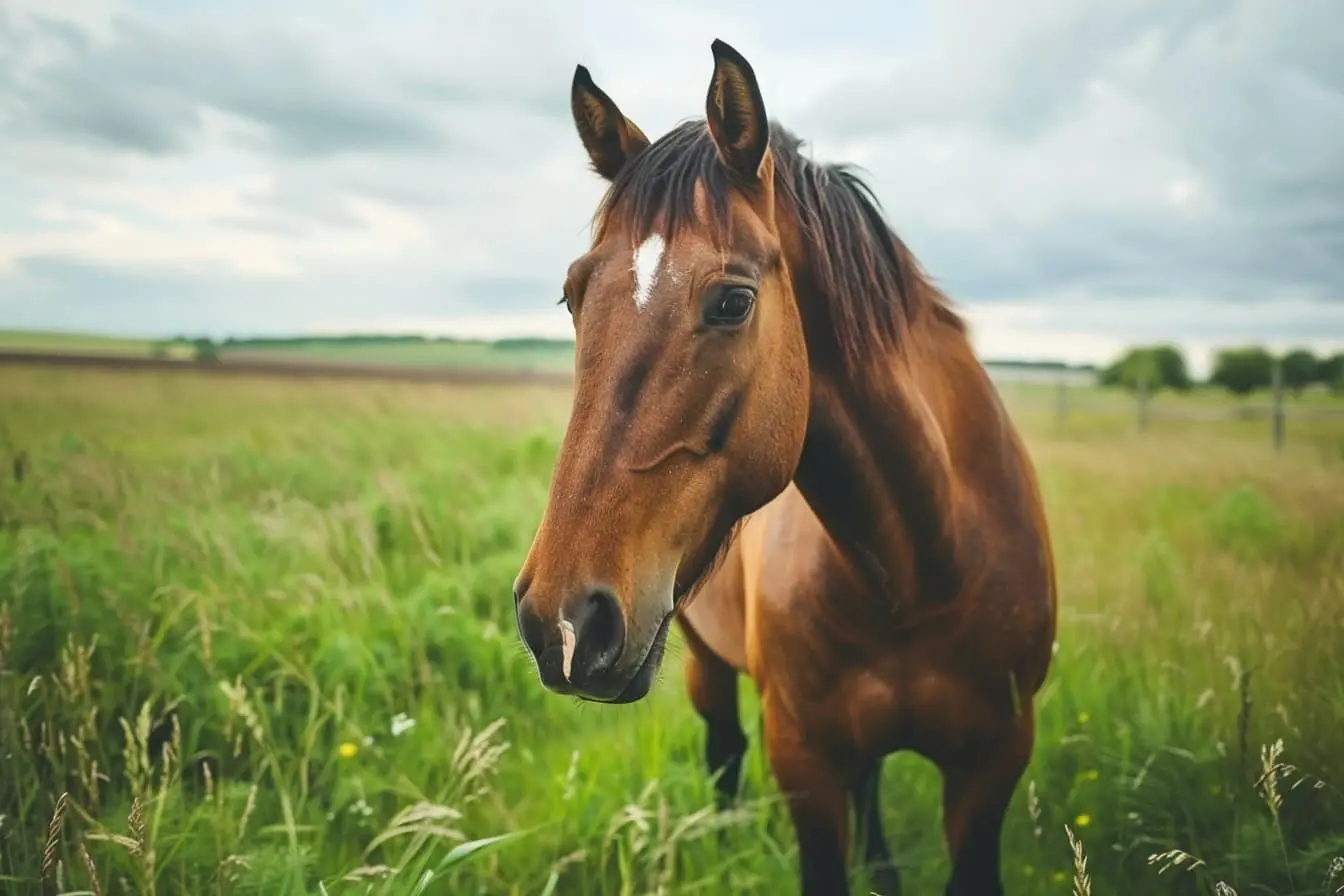
Owning a horse is an immensely rewarding experience, providing unparalleled companionship and the joy of equestrian activities. However, it also entails a significant commitment to ensuring the well-being and happiness of your new equine friend. This guide covers everything you need to know as a new horse owner, from basic care essentials to understanding your horse's health and behaviour.
Understanding Your Horse's Needs
Nutrition
Horses require a balanced diet consisting of forage, grains, and access to clean, fresh water. The cornerstone of their diet is forage, such as hay or grass, which should make up about 1.5% to 2.5% of their body weight daily. Grains and concentrates can supplement their diet but should be given based on the horse's weight, age, and activity level. Vitamins and minerals may also be necessary to ensure a balanced diet.
Shelter and Comfort
Adequate shelter is essential for protecting your horse from the elements. A stable or barn should be well-ventilated, free from draughts, and large enough for the horse to move around comfortably. Regular cleaning to remove manure and damp bedding is crucial to prevent respiratory problems and maintain overall health.
Exercise and Training
Horses are inherently active creatures and require regular exercise to maintain their physical and mental health. The amount and intensity of the exercise depends on the horse's age, breed, and the activities you plan to undertake together. Training should be consistent, patient, and tailored to the horse's individual temperament and abilities.
Health Care Essentials
Routine Veterinary Care
Regular check-ups by a veterinarian are essential to prevent diseases and address any health issues promptly. Vaccinations, deworming, and dental care are crucial components of your horse's health regimen.
Hoof Care
A horse's hooves play a critical role in its overall health. Regular trimming and, if necessary, shoeing by a qualified farrier every 6 to 8 weeks are essential to prevent discomfort and structural problems.
Grooming
Regular grooming not only keeps your horse looking its best but also promotes healthy skin and coat, and provides an opportunity to check for injuries or abnormalities. Brushing, bathing, and cleaning the hooves should be part of your routine care.
Understanding Behaviour and Training
Body Language
Horses communicate primarily through body language. Learning to interpret their signals — such as ear position, eye and nostril expressions, and tail movement — will help you understand their feelings and intentions, enhancing your bond and making training more effective.
Training Basics
Consistency, patience, and positive reinforcement are key to successful horse training. Establish clear boundaries and routines, and always end sessions on a positive note to encourage good behaviour.
Final Thoughts
Owning a horse is a journey filled with learning and growth for both you and your equine companion. It requires dedication, responsibility, and a deep understanding of their needs and behaviours. By providing proper care, establishing a strong bond, and continuing to educate yourself, you can ensure a healthy, happy, and rewarding relationship with your horse.
Remember, every horse is unique, and their needs can vary significantly. It's important to adapt the information in this guide to suit your specific situation and consult professionals whenever necessary. Welcome to the rewarding world of horse ownership!
Quick questions
- What should I know about horse guide?
- Owning a horse offers rewarding companionship and the enjoyment of equestrian activities, but it also requires a significant commitment to their care and wellbeing. Key aspects include providing a balanced diet mainly consisting. Vet Verified can help you compare UK veterinary practices by location, species, services and opening hours before you call.
- When should I contact a vet about horse guide?
- Contact a veterinary practice if your pet seems unwell, symptoms are getting worse, you are unsure what to do, or the situation may be urgent. Vet Verified helps you compare practice details, but a vet should advise on your pet's current care.
- Can Vet Verified help me find horse vets?
- Yes. Use Vet Verified to compare horse vets across the UK, then check practice profiles and call directly to confirm current availability.
Find a vet
Need a vet for this?
Use Vet Verified to compare UK veterinary practices that match this topic, then call the practice directly to confirm current services and availability.