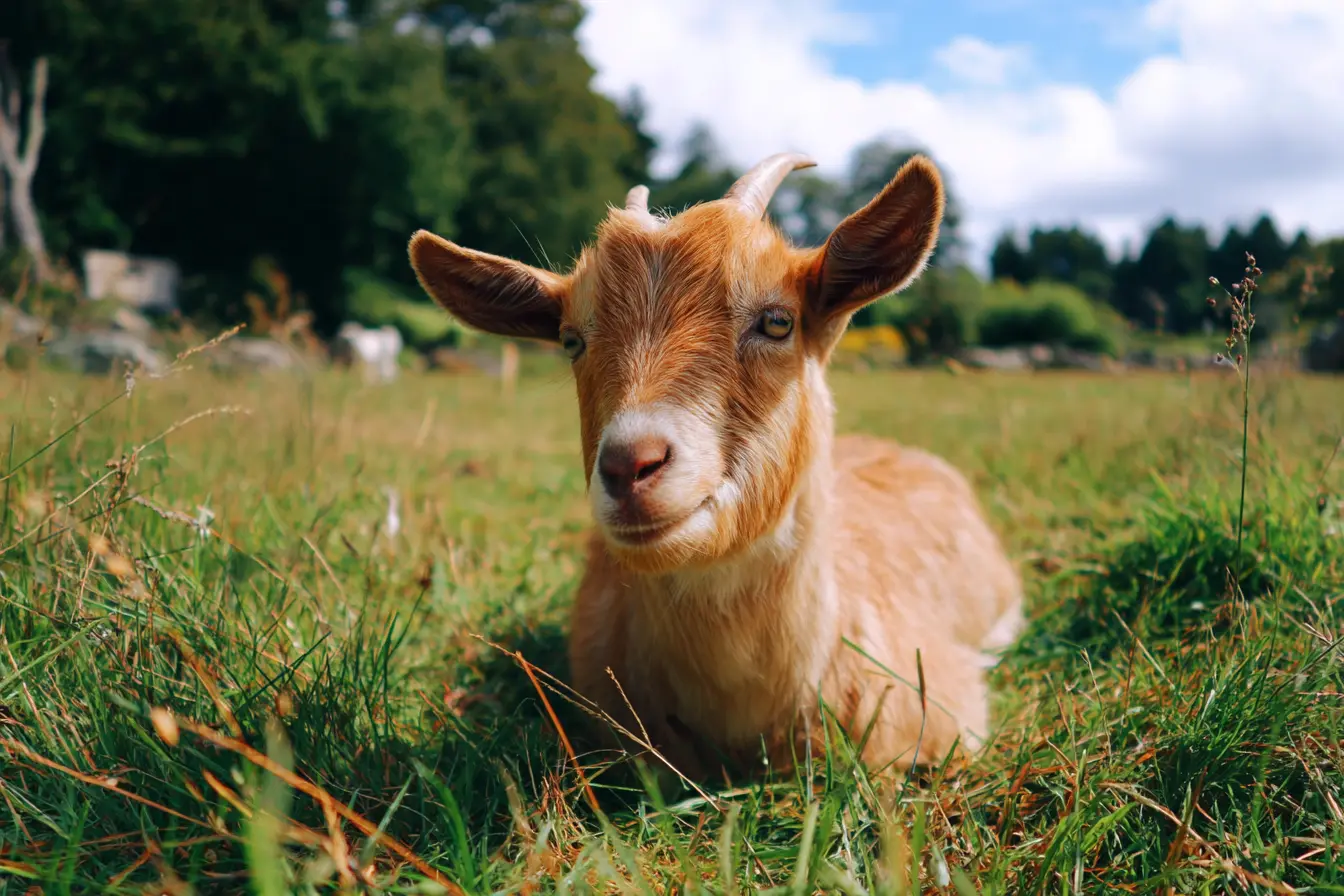
Flystrike, also known as myiasis, is a painful and potentially fatal condition caused by blowfly larvae (maggots) feeding on the skin and flesh of goats. While more commonly associated with sheep, flystrike can also affect goats, particularly during warm and humid weather when fly populations are high.
Flystrike can develop rapidly and lead to severe tissue damage, toxaemia, and death if not treated promptly. This guide explains everything you need to know about flystrike in goats including its causes, risk factors, signs, treatment, prevention, and its impact on goat health and welfare.
What is Flystrike?
Flystrike occurs when blowflies (especially Lucilia sericata, the greenbottle fly) lay eggs on a goat’s skin or fleece.
- The eggs hatch into larvae (maggots) within 12–24 hours.
- The maggots initially feed on dead tissue, then invade and consume living flesh.
- This causes painful wounds, inflammation, and systemic infection (toxaemia).
- Untreated goats may die within a few days.
Flystrike is most common from late spring to early autumn, but can occur at any time of year during mild spells.
Causes and Risk Factors
Several factors increase the risk of flystrike in goats:
- Warm, humid weather: Encourages fly activity and egg laying.
- Soiled or damp fleece/hair: Faecal staining, urine scald, or milk soiling around the udder attract flies.
- Open wounds or abrasions: Flies are attracted to bleeding or damaged skin.
- Skin infections: Conditions such as lice, mange, or dermatitis make the skin inflamed and moist.
- Long fleece or dense coats: Retains moisture and soiling, especially in fibre breeds like Angoras.
- High local fly populations: Common near muck heaps, standing water, or carcasses.
Kids are especially vulnerable if they develop scour (diarrhoea) or have umbilical wounds that attract flies.
Signs and Symptoms of Flystrike
Flystrike can progress very quickly, so early detection is essential.
Early signs include:
- Restlessness, irritation, and constant tail swishing.
- Nibbling, biting, or kicking at a particular area.
- Rubbing or scratching against objects.
- Discoloured, damp patches of fleece or hair.
- Foul-smelling discharge from the affected area.
As the condition progresses:
- Visible maggots in the fleece or on the skin.
- Raw, ulcerated, or necrotic skin lesions.
- Depression, lethargy, and reluctance to move.
- Loss of appetite and rapid weight loss.
- Collapse and death due to toxaemia if untreated.
Common Sites Affected
- Breech area (around the tail and perineum), especially in kids with diarrhoea.
- Around the udder and groin in lactating does.
- Along the backline, flanks, or shoulders in long-coated goats.
- Around wounds (castration, disbudding, accidental injuries).
Diagnosis
Diagnosis is based on visual inspection and clinical signs.
- Part the fleece or hair to look for maggots, inflamed skin, or moist patches.
- Assess the size and depth of the affected area.
- A vet may be needed for severe cases to check for toxaemia or secondary infection.
Treatment
Flystrike is an emergency and requires immediate action.
- Restrain the goat gently and clip away hair around the affected area.
- Manually remove all visible maggots using tweezers or forceps.
- Flush the wound with warm water or antiseptic solution to remove debris and hidden larvae.
- Apply a licensed insecticidal dressing to kill any remaining maggots and prevent reinfestation.
- Provide pain relief (NSAIDs) under veterinary guidance.
- Administer antibiotics if the wound is deep, infected, or if the goat shows signs of toxaemia.
- Isolate the affected goat to reduce stress and prevent contamination of others.
Check the goat daily until the wound is fully healed and hair has regrown.
Severely affected goats may need to be euthanised on welfare grounds if prognosis is poor.
Prevention
Preventing flystrike is far more effective and less distressing than treating it.
Fly Control
- Apply preventive fly repellents or insecticides (pour-ons, sprays, or dips) before fly season begins.
- Reapply treatments as recommended on the product label.
- Use fly traps or sticky tapes in housing to reduce fly numbers.
- Keep kidding pens, housing, and shelters clean and dry.
Hygiene and Grooming
- Keep the breech, tail, and udder areas clean, especially during lactation or if kids have diarrhoea.
- Crutch (clip hair around the breech and tail) in fibre goats before the fly season.
- Shear or trim long fleece regularly to reduce soiling and moisture retention.
- Remove dags (clumps of faecal material) promptly.
Wound and Health Management
- Treat wounds promptly and keep them clean and protected.
- Control internal parasites to prevent scour in kids.
- Maintain good general health to reduce the risk of skin infections.
Economic and Welfare Impact
- Welfare: Flystrike causes extreme pain, distress, and suffering, making it one of the most serious seasonal welfare issues.
- Economic: Losses can include deaths, veterinary treatment costs, reduced growth and milk production, fibre damage, and increased labour.
- Prevention vs cost: Preventive treatments and good hygiene are inexpensive compared to the costs and losses of a flystrike outbreak.
When to Seek Veterinary Help
Seek veterinary advice if:
- The area affected is large, deep, or severely infected.
- The goat shows signs of depression, collapse, or toxaemia.
- Multiple goats are affected, indicating a possible outbreak.
- You are unsure which fly control products are safe and effective for goats.
Conclusion
Flystrike in goats is a serious and potentially fatal condition that can develop rapidly during warm weather. It is most often seen around the breech, udder, or wounds, and can cause severe pain, tissue damage, and death.
Preventing flystrike through good hygiene, regular grooming, proactive fly control, and daily monitoring is far more effective than treatment. Early detection and immediate action can save lives and protect the welfare and productivity of your herd.
Quick questions
- What should I know about flystrike in goats?
- Flystrike in goats is a serious condition caused by maggots feeding on their skin. It's most common in warm, humid weather and can lead to severe pain and death. Early signs include restlessness and discoloured fleece. Treatment. Vet Verified can help you compare UK veterinary practices by location, species, services and opening hours before you call.
- When should I contact a vet about flystrike in goats?
- Contact a veterinary practice if your pet seems unwell, symptoms are getting worse, you are unsure what to do, or the situation may be urgent. Vet Verified helps you compare practice details, but a vet should advise on your pet's current care.
- Can Vet Verified help me find 24-hour vets?
- Yes. Use Vet Verified to compare 24-hour vets across the UK, then check practice profiles and call directly to confirm current availability.
Find a vet
Need a vet for this?
Use Vet Verified to compare UK veterinary practices that match this topic, then call the practice directly to confirm current services and availability.
Urgent and out-of-hours
- 24-hour vets Find UK veterinary practices with 24-hour opening signals in the directory. Compare profiles, contact details, opening hours and verification signals.
- Emergency vets Find UK veterinary practices with emergency-period signals in the directory. Compare profiles, contact details, opening hours and verification signals.