A Complete Guide to Caring for Wensleydale Sheep
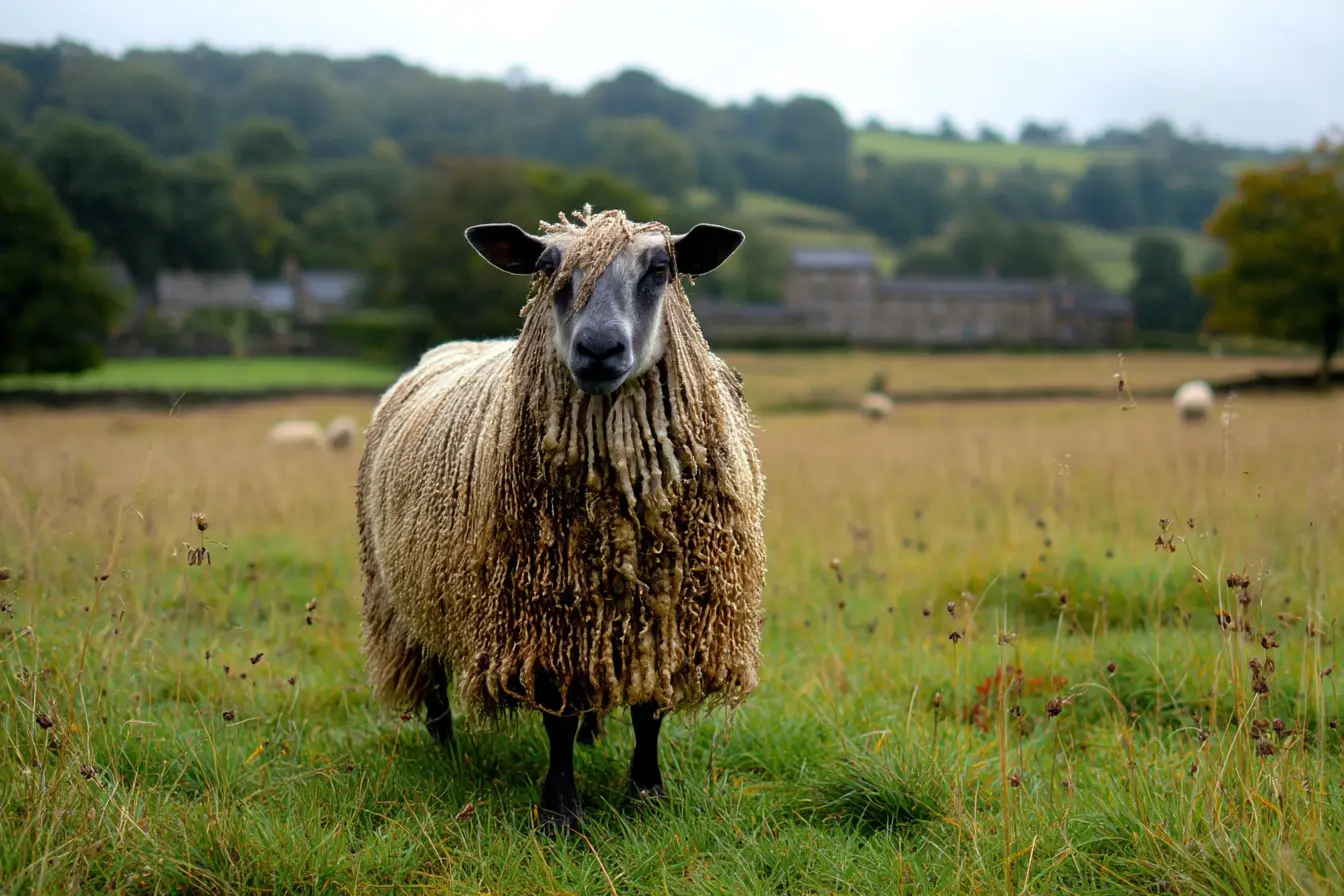
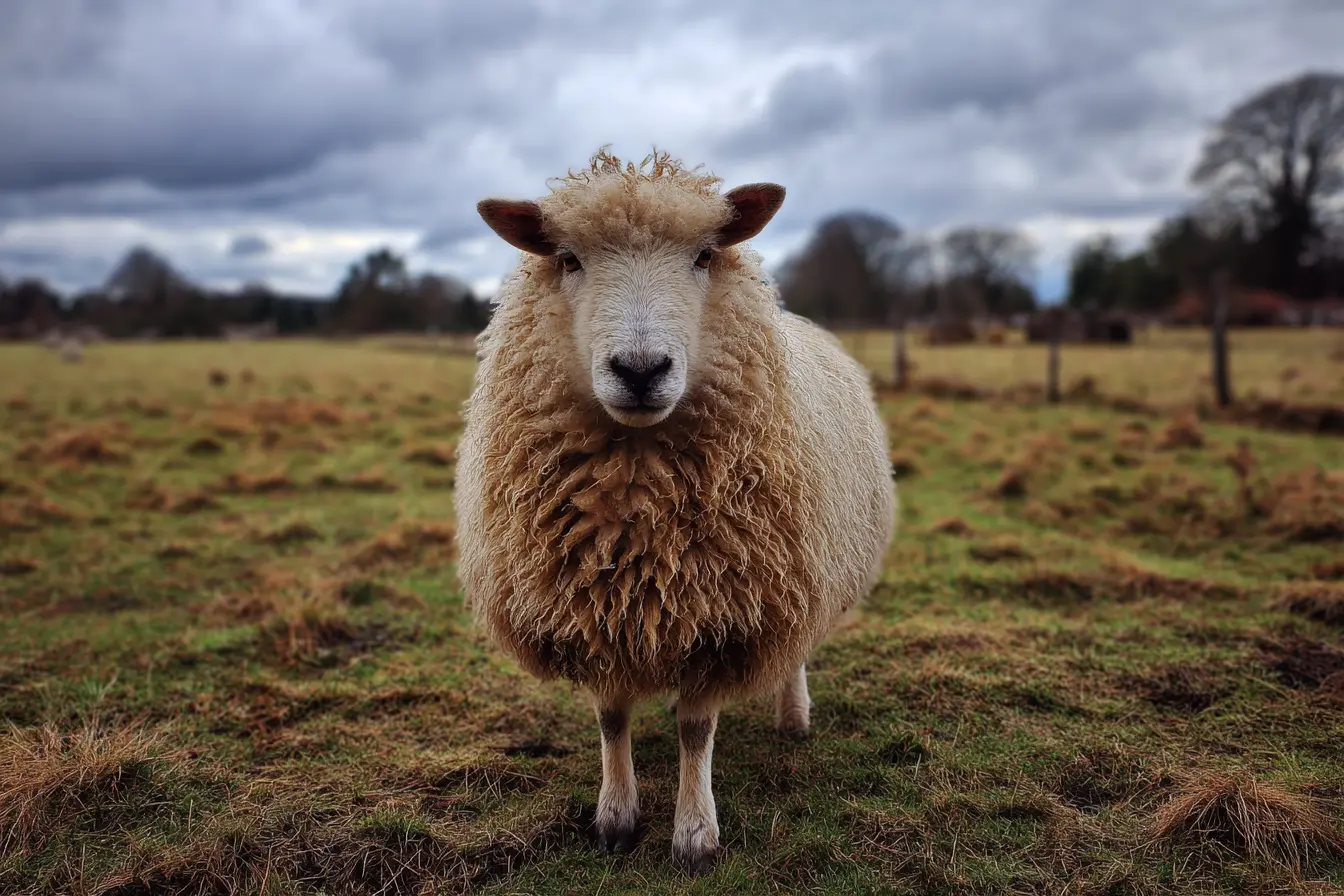
Wensleydale sheep are one of Britain’s most distinctive and eye-catching longwool breeds, instantly recognisable by their tall stature, blue-grey faces, and exceptionally long, lustrous fleece. Originating from the Yorkshire Dales, Wensleydales are prized for their unique wool, calm temperament, and historical significance. Today, they are kept by pedigree breeders, smallholders, and fibre enthusiasts who value both their appearance and versatility.
This guide provides a detailed overview of Wensleydale sheep, covering their history, key characteristics, housing, feeding, health care, breeding, and general management.
A Brief History of Wensleydale Sheep
Wensleydale sheep originate from Wensleydale in North Yorkshire. The breed developed in the 19th century following the crossing of local longwool sheep with a Dishley (Leicester Longwool) ram owned by Sir George V. O. Wombwell. The resulting offspring displayed exceptional size and fleece quality, laying the foundation for the modern Wensleydale.
Wensleydales are closely related to Teeswater sheep and share many characteristics. Although their numbers declined with the rise of more commercially focused breeds, they have been preserved as a rare native breed and are now valued for fleece production, showing, and conservation grazing.
Key Characteristics of Wensleydale Sheep
Wensleydale sheep are best known for their size and extraordinary wool.
- Appearance: Tall, long-bodied sheep with a blue-grey face, long ears, and an elegant frame.
- Horns: Naturally polled (hornless) in both rams and ewes.
- Size: Large breed. Ewes typically weigh 80–95kg, while rams often exceed 120kg.
- Temperament: Calm, docile, and easy to handle.
- Hardiness: Hardy and adaptable, though best suited to lowland and sheltered systems.
- Wool Quality: Very long, strong, lustrous fleece that hangs in distinctive ringlets.
- Meat Quality: Produces good-quality meat, though meat is usually secondary to fleece production.
Housing for Wensleydale Sheep
Wensleydale sheep benefit from good shelter to protect their valuable fleece.
Shelter Requirements
- Natural Shelter: Hedgerows and trees provide adequate protection from wind and rain.
- Field Shelters: Strongly recommended in exposed or wet areas.
- Winter Housing: Often beneficial during prolonged wet weather or lambing to maintain fleece condition.
Fencing
- Strong Fencing: Required due to their size and height.
- Electric Fencing: Effective for grazing control and rotational systems.
- Handling Areas: Spacious handling facilities help prevent fleece damage and stress.
Feeding Wensleydale Sheep
As a large longwool breed, Wensleydales require careful nutritional management.
Diet
- Pasture: Thrive on good-quality grass pasture.
- Winter Forage: Hay or haylage is essential when grass growth is limited.
- Concentrates: May be required for pregnant and lactating ewes and breeding rams.
- Minerals: Provide a sheep-specific mineral supplement tailored to local deficiencies.
Water
- Fresh, clean water must be available at all times.
Breeding Wensleydale Sheep
Wensleydale sheep are fertile and generally straightforward to breed.
Breeding Characteristics
- Age to Breed: Ewes are usually bred from 18 months of age.
- Gestation Period: Approximately 147 days.
- Lambing: Typically uncomplicated, though monitoring is advised due to lamb size.
Care of Lambs
- Lambs are strong and quick to stand and suckle.
- Ewes have good milk production.
- Lambs grow steadily, particularly on good pasture.
Health Care for Wensleydale Sheep
Routine health care is essential, particularly due to fleece length.
Vaccinations
Work with your vet to establish an appropriate vaccination programme, commonly including:
- Clostridial diseases
- Pasteurellosis
Parasite Control
- Use faecal egg counts to guide worming decisions.
- Flystrike prevention is essential due to long fleece.
- Monitor for lice and other external parasites.
Hoof Care
- Foot Trimming: Required regularly, especially in lowland systems.
- Foot Health: Maintain dry ground and well-drained gateways to reduce lameness.
Common Health Issues
- Flystrike: High risk in warm weather if fleece is not well managed.
- Lameness: Can occur in wet or muddy conditions.
- Overconditioning: Careful feeding is needed to avoid excessive weight gain.
Wool and Fleece Management
The fleece is the defining feature of the Wensleydale breed.
- Shearing: Typically once per year.
- Fleece Length: Extremely long, often reaching the ground if not managed.
- Wool Uses: Highly prized for hand spinning, weaving, doll hair, wigs, rugs, and speciality textiles.
- Fleece Care: Regular checks are essential to keep fleece clean and free from debris.
Behaviour and Handling
Wensleydale sheep are well known for their gentle nature.
- Docile Temperament: Easy to manage despite their large size.
- Handling: Calm, patient handling reduces stress and fleece damage.
- Routine-Oriented: Respond well to consistent feeding and management routines.
Why Choose Wensleydale Sheep?
Wensleydale sheep offer a unique combination of beauty, heritage, and practicality:
- Exceptional Fleece: One of the longest and most lustrous fleeces of any British breed.
- Striking Appearance: Tall, elegant sheep ideal for showing.
- Calm and Manageable: Suitable for smallholders with appropriate facilities.
- Historic Importance: Closely linked to the development of British longwool breeds.
- Rare Breed Conservation: Helps preserve an important part of UK livestock heritage.
Conclusion
Wensleydale sheep are a magnificent and distinctive native breed, offering unrivalled fleece quality, calm temperament, and strong historical significance. While they require thoughtful fleece and pasture management, they reward keepers with one of the most versatile and sought-after wool types available.
With good nutrition, suitable shelter, and routine health care, Wensleydale sheep can thrive in modern lowland systems. By choosing Wensleydales, keepers are not only gaining a striking and productive sheep but also playing an important role in preserving one of Britain’s most unique longwool breeds for future generations.
Contents
Vets near you
Speciality vets
- Aquatics vet specialists
- Birds vet specialists
- Camelids vet specialists
- Cats vet specialists
- Cattle vet specialists
- Deer vet specialists
- Dogs vet specialists
- Equines vet specialists
- Exotic vet specialists
- Goats vet specialists
- Pigs vet specialists
- Poultry vet specialists
- Sheep vet specialists
- Small Mammals vet specialists
- Wild vet specialists
Vet facilities
- Accessible by public transport
- Blood testing
- Car park nearby
- Client car park
- Dentistry
- Diagnostic imaging
- Disabled public access
- Flea and worm treatments
- Microchipping
- Mobile services
- Neutering
- Open at weekends
- Out-of-hours service
- Referral interests
- Referrals only
- Street parking outside
- Toilets available
- Vaccinations