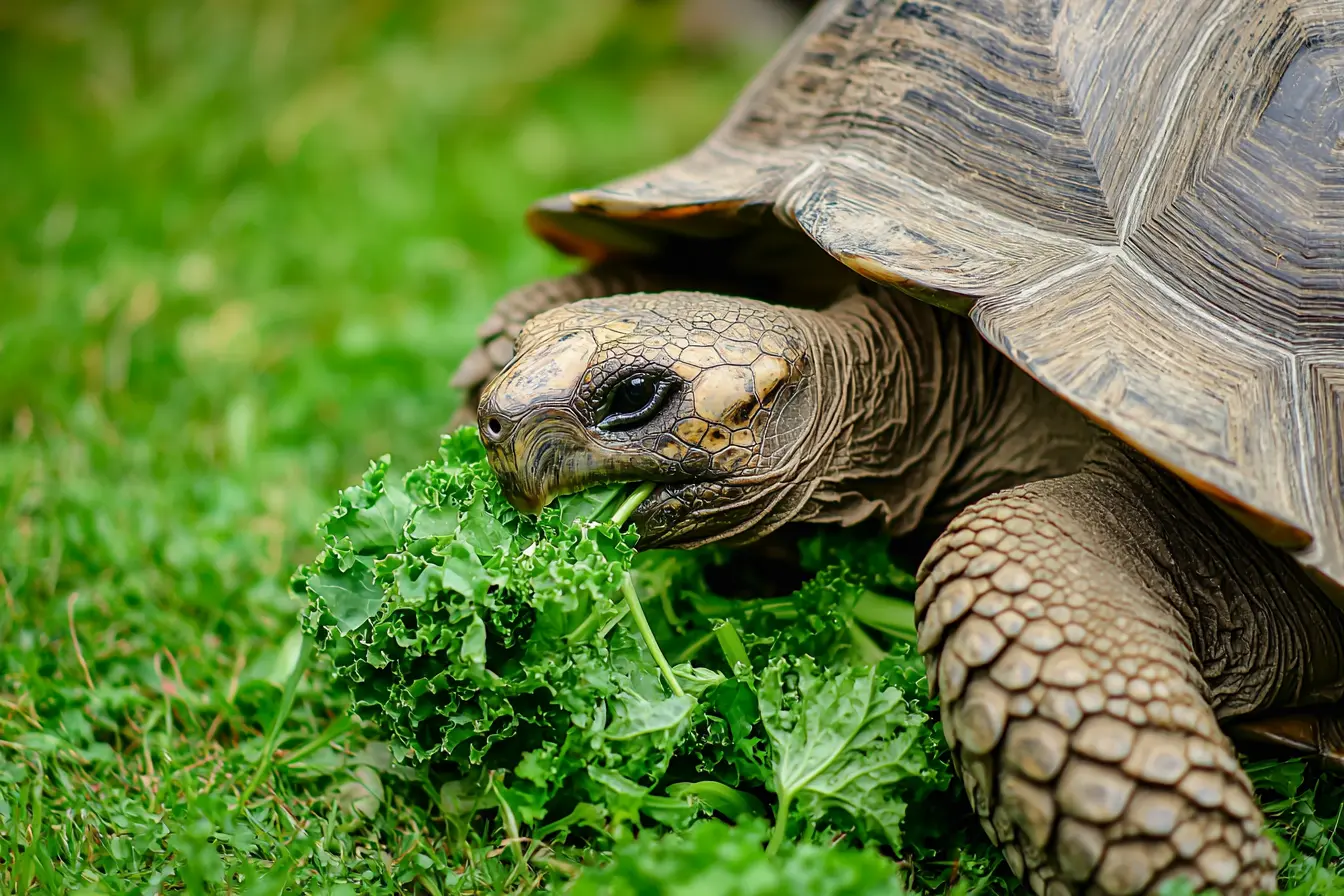
Adopting a pet tortoise is an exciting commitment, as these creatures can be delightful companions for many years, even decades. To ensure your tortoise remains healthy and happy, understanding the intricacies of their diet is crucial. Here's what you need to know about feeding your new pet tortoise.
Understanding Tortoise Diets
Tortoises are primarily herbivores, although the specifics of their diet can vary based on their species. It's essential to research the particular dietary needs of your tortoise's species, but here are some general guidelines that apply to most.
Types of Food
- Greens: A variety of leafy greens should form the bulk of a tortoise's diet. Good options include dandelion greens, kale, spring mix, and arugula. Avoid iceberg lettuce, as it is low in nutrients.
- Vegetables: Squash, bell pepper, and carrots can be added in moderation for variety.
- Fruits: Fruits should be given sparingly as treats due to their high sugar content. Suitable fruits include apples, pears, and melons.
- Calcium Supplement: Calcium is vital for shell health. Sprinkle calcium powder on the tortoise's food a few times a week, especially if your tortoise is kept indoors.
Foods to Avoid
It's crucial to avoid foods that can be harmful to tortoises:
- Processed foods: All processed foods are unsuitable for tortoises.
- Dairy products: Tortoises cannot digest dairy, and it can cause serious health issues.
- Toxic plants: Some plants, such as rhubarb and avocado, are toxic to tortoises and should always be avoided.
Feeding Considerations
Quantity and Frequency
Young, growing tortoises require daily feeding, while adults may only need to eat every other day. The amount of food should roughly equate to the size of the tortoise's shell.
Monitoring Weight
Keep a regular check on your tortoise’s weight to ensure they are not under or overeating. Sudden weight gain or loss can indicate health issues and should be checked by a vet.
Creating a Suitable Feeding Environment
Outdoor Feeding
If possible, allow your tortoise to graze naturally in a secure outdoor enclosure. This not only provides them with fresh food but also exposes them to natural sunlight, which is crucial for their health.
Indoor Feeding
For tortoises kept indoors, ensure their feeding area is clean and that food is placed on a flat, easily accessible surface like a tile or a shallow dish.
Common Dietary Issues
Pyramiding
Pyramiding in the tortoise's shell is often a sign of improper nutrition, typically too much protein or an imbalanced diet. Ensure the diet is high in fibre and has adequate calcium.
Vitamin D3 Deficiency
Tortoises require UVB light to synthesise Vitamin D3, essential for calcium absorption. Without enough UVB exposure, they can develop metabolic bone disease. Always provide a UVB light source for indoor tortoises.
Conclusion
Feeding your tortoise correctly is vital for their long-term health. A diet rich in various greens, with the right supplements and the occasional fruit treat, will help keep your tortoise thriving. Regular consultations with a vet experienced in reptile care will also ensure that you are meeting all your pet’s nutritional needs.
Quick questions
- What should I know about tortoise diet?
- Adopting a pet tortoise requires understanding their dietary needs to keep them healthy and happy for decades. Primarily herbivores, most tortoises thrive on a diet rich in leafy greens like kale and dandelion, supplemented with. Vet Verified can help you compare UK veterinary practices by location, species, services and opening hours before you call.
- When should I contact a vet about tortoise diet?
- Contact a veterinary practice if your pet seems unwell, symptoms are getting worse, you are unsure what to do, or the situation may be urgent. Vet Verified helps you compare practice details, but a vet should advise on your pet's current care.
- Can Vet Verified help me find exotic vets?
- Yes. Use Vet Verified to compare exotic vets across the UK, then check practice profiles and call directly to confirm current availability.
Find a vet
Need a vet for this?
Use Vet Verified to compare UK veterinary practices that match this topic, then call the practice directly to confirm current services and availability.