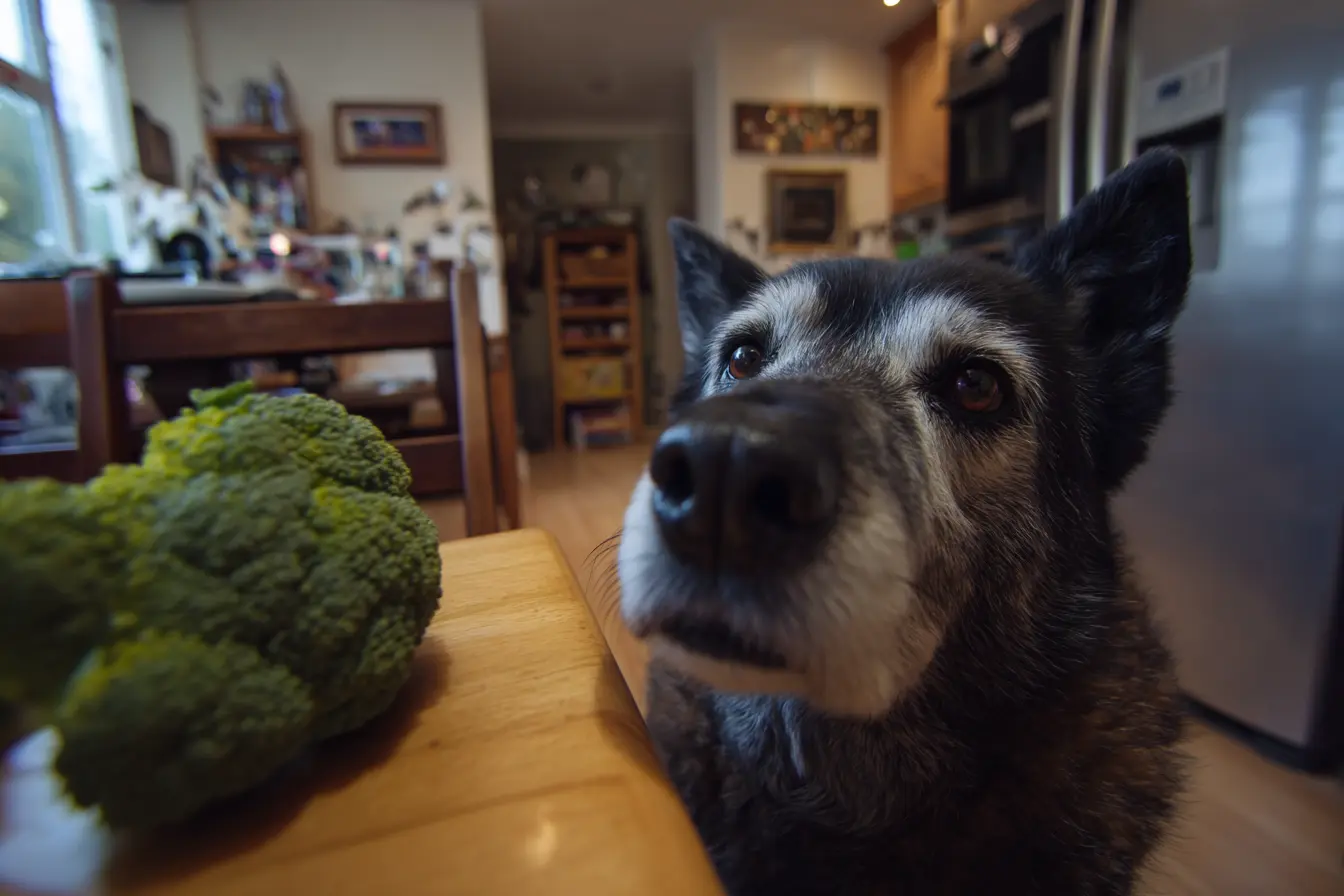
What Vegetables Can My Dog Eat?
Vegetables can be a nutritious, low-calorie addition to your dog’s diet, adding fibre, vitamins, and minerals while providing great enrichment. However, some vegetables are far healthier (and safer) than others, and a few should be avoided completely.
This guide explains which vegetables dogs can eat, how to prepare each one, and important safety notes to keep your dog happy and healthy.
Essential Rules Before Feeding Vegetables to Dogs
- Moderation is vital – Vegetables are healthy, but too much fibre can upset your dog’s stomach.
- Introduce slowly to monitor for digestive issues.
- Avoid seasoning – No salt, butter, oil, garlic, onions, or spices.
- Cut into dog-safe pieces to prevent choking.
- Fresh, steamed, or raw (when appropriate) is best.
Safe Vegetables for Dogs
Carrots
Benefits: Low-calorie, high in beta-carotene, vitamin A, and fibre.
How to serve: Raw sticks for chewing; steamed or chopped for easier digestion.
Perfect for: Teething puppies or weight management.
Broccoli
Benefits: Contains vitamin C, fibre, and antioxidants.
How to serve: Steamed or raw florets in small amounts.
Caution: Too much can cause gas; limit to under 10% of daily intake.
Cauliflower
Benefits: High in fibre and vitamin C.
How to serve: Lightly cooked to reduce gassiness; offer small portions.
Note: Avoid giving the tough core.
Green Beans
Benefits: Low-calorie, great for weight loss, rich in fibre and vitamins.
How to serve: Steamed, raw, or frozen; unsalted only.
Tip: Add to meals to bulk out portions for overweight dogs.
Peas
Types: Garden peas, sugar snap peas, and mangetout.
Benefits: High in protein, fibre, and vitamins.
How to serve: Fresh or frozen; avoid canned peas with added salt.
Warning: Not ideal for dogs with kidney issues due to purines.
Sweet Potatoes
Benefits: Excellent source of fibre, vitamins B6 and C, and beta-carotene.
How to serve: Always cooked (boiled, baked, or mashed); never raw.
Perfect for: Dogs with sensitive stomachs when introduced gradually.
Regular Potatoes
Benefits: Provide vitamins B6 and C.
How to serve: Must be fully cooked with the skin removed.
Caution: Never feed raw potato or green potato due to solanine toxicity.
Butternut Squash
Benefits: Rich in vitamins A and C, highly digestible.
How to serve: Remove seeds and skin; cook until soft.
Ideal for: Digestive issues or mild diarrhoea.
Pumpkin
Benefits: Excellent for firming stools and aiding digestion.
How to serve: Plain cooked pumpkin or pure purée (no spices).
Note: Great for both constipation and diarrhoea when used properly.
Courgette
Benefits: Very low-calorie and hydrating; high in vitamin C and potassium.
How to serve: Raw slices or lightly cooked pieces.
Cucumber
Benefits: Hydrating; good low-calorie treat.
How to serve: Sliced or cut into sticks.
Perfect for: Overweight dogs needing crunchy snacks.
Celery
Benefits: Provides vitamins A, B, and C; freshens breath naturally.
How to serve: Cut into small bites to reduce choking risk.
Spinach
Benefits: Contains iron and vitamins A, C, and K.
How to serve: Lightly steamed to improve digestibility.
Caution: High in oxalates; only small amounts for healthy dogs.
Kale
Benefits: Vitamin-rich superfood.
How to serve: Lightly cooked or chopped raw.
Caution: Contains oxalates and isothiocyanates; only occasional portions.
Brussels Sprouts
Benefits: Rich in fibre and vitamins K and C.
How to serve: Steamed only, never raw.
Note: Known to cause gas so it is best to offer in very small amounts.
Parsnips
Benefits: Good source of folic acid, potassium, and fibre.
How to serve: Cooked or raw, chopped finely.
Attention: High natural sugar content to give as an occasional treat only.
Swede
Benefits: Low in calories and rich in vitamins.
How to serve: Cooked and mashed or diced.
Turnip
Benefits: Contains calcium, fibre, and vitamins A and C.
How to serve: Cooked or raw in small pieces.
Avoid: For dogs with thyroid issues due to goitrogens.
Beetroots
Benefits: High in fibre, folate, and antioxidants.
How to serve: Cooked plain; avoid pickled beetroot.
Note: May cause pink urine. This is harmless but can be startling for owners.
Asparagus
Benefits: Contains vitamins A, C, and K.
How to serve: Cooked soft and chopped.
Avoid: Raw asparagus as it is too tough and fibrous.
Lettuce
Benefits: Hydrating and mild.
How to serve: Shredded raw leaves only.
Tip: Romaine is more nutritious than iceberg.
Seaweed (Nori Sheets)
Benefits: Good source of iodine and minerals.
How to serve: Small amounts of plain nori only.
Avoid: Seasoned seaweed snacks.
Vegetables Dogs Can Eat Only With Caution
Tomatoes (Ripe Only)
Safe part: Fully ripe red tomatoes.
Avoid: Green tomatoes, leaves, and stems due to solanine content.
Advice: Small pieces occasionally.
Mushrooms (Shop-Bought Only)
Safe: Plain, supermarket mushrooms in small amounts.
Danger: Wild mushrooms can be extremely toxic; avoid for safety.
Vegetables Dogs Should Avoid
Onions
Never safe.
Even small amounts can cause haemolytic anaemia.
Avoid raw, cooked, powdered, and foods containing onion.
Garlic
A member of the onion family and toxic to dogs.
Even small amounts can be harmful over time.
How Much Vegetable Can a Dog Eat?
Guidance for healthy adult dogs:
- Large dogs: 2–4 tablespoons per day.
- Medium dogs: 1–2 tablespoons per day.
- Small dogs: 1 tablespoon or less.
Vegetables should make up no more than 10% of a dog’s daily diet unless advised by a vet.
Health Conditions That Need Extra Caution
Dogs with Kidney Disease
Avoid:
- Peas
- Spinach
- Kale
- High levels of oxalates and purines can worsen the condition.
Dogs with Sensitive Digestion
Start with gentle vegetables such as:
- Pumpkin
- Sweet potato
- Courgette
Avoid gas-causing vegetables initially.
Diabetic Dogs
Choose low-sugar options:
- Courgette
- Green beans
- Broccoli
- Limit starchy vegetables.
Fun, Safe Ways to Serve Vegetables to Dogs
- Frozen carrot sticks for teething puppies or in hot weather.
- Stuffed Kongs with mashed sweet potato.
- Vegetable purée spread on lick mats.
- Steamed veg mixed into kibble for enrichment.
- Home-made veggie treats using pureed pumpkin or mashed carrot.
Conclusion
Vegetables can be an excellent addition to your dog’s diet when chosen and prepared correctly. From crunchy carrots to hydrating cucumbers and digestion-friendly pumpkin, the right vegetables offer nutrition, enrichment, and variety.
By following this guidance, dog owners can confidently select safe vegetables, avoid dangerous ones, and ensure their dogs enjoy healthy, balanced treats. Always consult your vet if your dog has an underlying health condition or if you’re unsure about introducing a new food.



Vets near you
Speciality vets
- Aquatics vet specialists
- Birds vet specialists
- Camelids vet specialists
- Cats vet specialists
- Cattle vet specialists
- Deer vet specialists
- Dogs vet specialists
- Equines vet specialists
- Exotic vet specialists
- Goats vet specialists
- Pigs vet specialists
- Poultry vet specialists
- Sheep vet specialists
- Small Mammals vet specialists
- Wild vet specialists
Vet facilities
- Accessible by public transport
- Blood testing
- Car park nearby
- Client car park
- Dentistry
- Diagnostic imaging
- Disabled public access
- Flea and worm treatments
- Microchipping
- Mobile services
- Neutering
- Open at weekends
- Out-of-hours service
- Referral interests
- Referrals only
- Street parking outside
- Toilets available
- Vaccinations