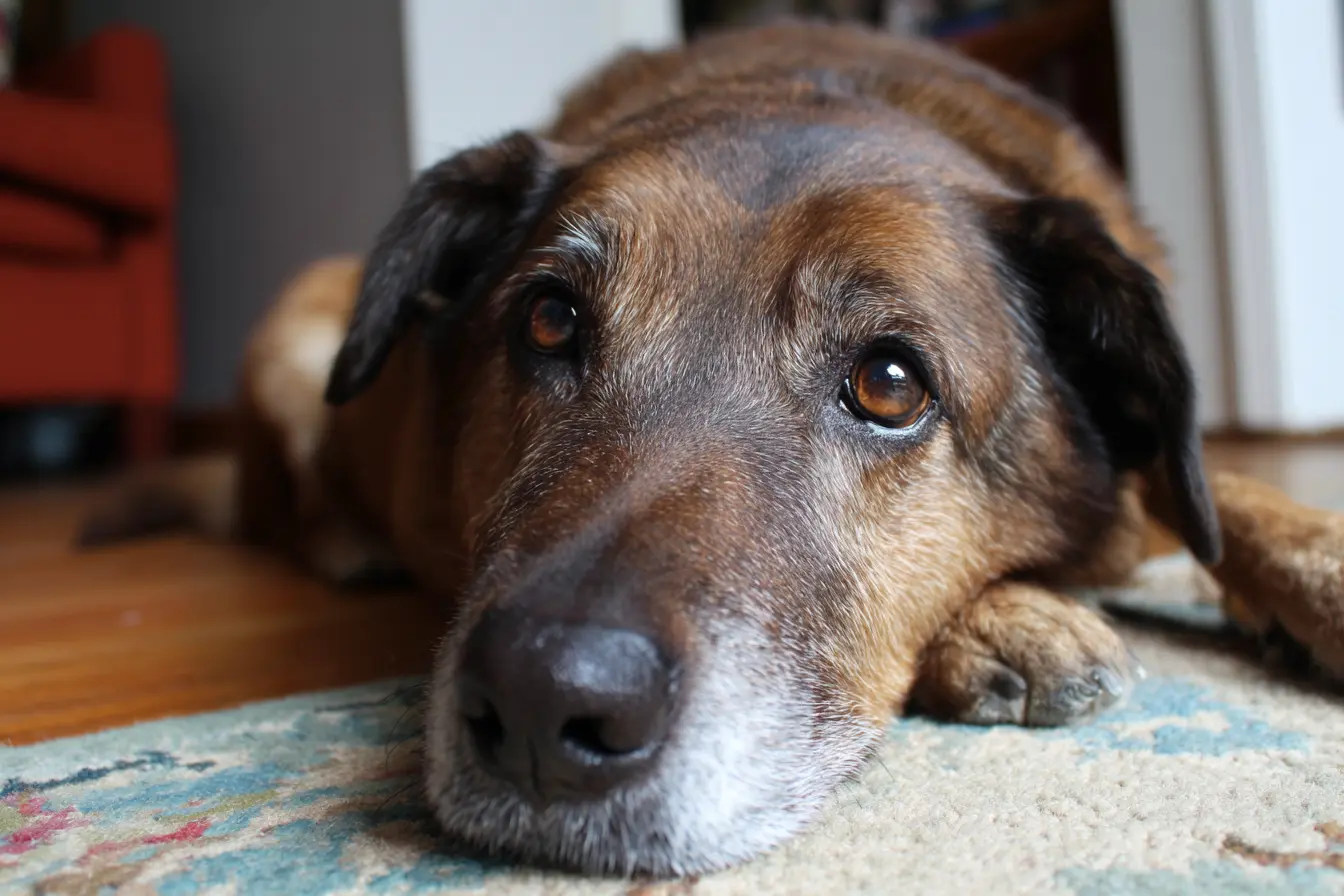
Pyometra in Dogs: A Common and Life-Threatening Emergency Every Owner Should Know
Pyometra is one of the most serious and frequently encountered reproductive emergencies in unspayed female dogs. It is a rapidly progressing infection of the uterus that can become fatal without prompt treatment. While many owners are aware of heat cycles and pregnancy, fewer recognise the risks that come with leaving a dog unspayed.
Understanding how pyometra develops, recognising early warning signs and seeking urgent veterinary care can make the difference between life and death.
What is Pyometra?
Pyometra is a severe bacterial infection of the uterus that results in the accumulation of pus within the uterine cavity. It typically occurs in unspayed female dogs following a heat cycle.
After oestrus (heat), progesterone levels rise. This hormone prepares the uterus for pregnancy by:
- Thickening the uterine lining
- Reducing uterine contractions
- Suppressing local immune responses
If pregnancy does not occur, these changes can create an ideal environment for bacteria to grow. Over time, bacteria, most commonly Escherichia coli, ascend from the vagina into the uterus, leading to infection and pus formation.
Types of Pyometra
Pyometra is classified into two main types based on whether the cervix is open or closed.
Open Pyometra
In open pyometra, the cervix remains partially open, allowing infected material to drain from the uterus.
Signs may include:
- Vaginal discharge (pus-like, bloody or foul-smelling)
- Increased licking of the genital area
- Mild lethargy or reduced appetite
Because discharge is visible, this form is often detected earlier.
Closed Pyometra
In closed pyometra, the cervix is closed, trapping pus inside the uterus.
This form is particularly dangerous because:
- There is no visible discharge
- The uterus becomes distended with infection
- There is a high risk of rupture
Closed pyometra often leads to rapid deterioration and is considered a true emergency.
Causes and Risk Factors
Pyometra develops due to a combination of hormonal influence and bacterial infection.
Hormonal Changes
Progesterone is central to the development of pyometra. Repeated exposure over multiple heat cycles increases the risk of uterine changes that predispose to infection.
Lack of Neutering
Unspayed female dogs are at risk. Spayed dogs do not develop pyometra because the uterus has been removed.
Age
Pyometra is most commonly seen in middle-aged to older dogs, typically over 6 years of age, though it can occur in younger dogs.
Hormonal Medications
Use of drugs to delay or suppress heat cycles significantly increases the risk of pyometra.
Previous Uterine Changes
Conditions such as cystic endometrial hyperplasia (CEH) often precede pyometra and increase susceptibility.
Signs of Pyometra in Dogs
Symptoms can vary depending on whether the cervix is open or closed, but systemic illness is common.
General signs include:
- Lethargy or weakness
- Loss of appetite
- Vomiting
- Increased thirst (polydipsia)
- Increased urination (polyuria)
- Fever (not always present)
Specific signs may include:
- Vaginal discharge (open pyometra)
- Abdominal enlargement (especially in closed pyometra)
- No discharge but worsening illness (closed pyometra)
Dogs with closed pyometra may appear suddenly very unwell without obvious external signs.
Why Pyometra is So Dangerous
Pyometra is a systemic disease, not just a local infection.
As bacteria multiply, toxins are absorbed into the bloodstream, leading to:
- Sepsis (blood poisoning)
- Kidney damage
- Dehydration
- Shock
If the uterus ruptures, infected material spills into the abdominal cavity, causing peritonitis, which is often fatal without immediate treatment.
Diagnosis
Pyometra is a medical emergency requiring urgent veterinary assessment.
Diagnosis may involve:
- Physical examination – assessing hydration, temperature and abdominal pain
- Blood tests – often showing elevated white blood cells and signs of infection
- Ultrasound – the most reliable method for detecting a fluid-filled uterus
- X-rays – may show an enlarged uterus
A history of a recent heat cycle in an unspayed dog is a key diagnostic clue.
Treatment Options
Emergency Surgery (Spaying)
The gold standard treatment is ovariohysterectomy, which involves removal of the infected uterus and ovaries.
This surgery is more complex than routine spaying because:
- The uterus is enlarged and fragile
- There is a risk of rupture during handling
- The dog may already be critically ill
Despite this, surgery is usually life-saving.
Medical Management
In selected cases (typically breeding dogs), medical treatment may be attempted using:
- Antibiotics
- Hormonal drugs to open the cervix and promote uterine emptying
However, this approach:
- Carries a risk of recurrence
- May not fully resolve the infection
- Is not suitable for severely ill dogs
Surgery remains the preferred option in most cases.
Supportive Care
Dogs with pyometra often require intensive supportive treatment, including:
- Intravenous fluids
- Broad-spectrum antibiotics
- Pain relief
- Monitoring of organ function
Prognosis
Prognosis depends on how quickly treatment is initiated.
- Early treatment – generally good prognosis
- Delayed treatment or rupture – guarded to poor prognosis
Most dogs recover well after surgery if treated before severe systemic complications develop.
Prevention
Pyometra is almost entirely preventable through spaying.
Benefits of spaying include:
- Elimination of pyometra risk
- Reduced risk of mammary tumours
- Prevention of unwanted pregnancies
- Removal of heat-related behaviours
For dogs not intended for breeding, spaying is strongly recommended.
When to Seek Urgent Veterinary Care
Immediate veterinary attention is required if your dog:
- Is unspayed and becomes unwell after a heat cycle
- Shows lethargy or loss of appetite
- Vomits or drinks excessively
- Has vaginal discharge
- Develops abdominal swelling
- Appears weak or collapses
Pyometra can progress rapidly, so early intervention is critical.
Supporting Your Dog After Treatment
Recovery from pyometra surgery requires careful aftercare.
This includes:
- Providing a warm, quiet recovery space
- Preventing licking of the surgical site
- Administering medications as prescribed
- Monitoring appetite, behaviour and wound healing
Most dogs show significant improvement within a few days once the infected uterus has been removed.
Conclusion
Pyometra in dogs is a common, life-threatening condition that requires immediate veterinary attention. Because the early signs can be subtle, awareness is essential, particularly in unspayed female dogs.
The condition highlights the importance of preventive care. Spaying not only eliminates the risk of pyometra but also protects against other serious reproductive diseases.
If your dog shows any signs of illness following a heat cycle, it is always safest to seek veterinary advice promptly. Acting early can save your dog’s life and ensure a smooth recovery.




Vets near you
Speciality vets
- Aquatics vet specialists
- Birds vet specialists
- Camelids vet specialists
- Cats vet specialists
- Cattle vet specialists
- Deer vet specialists
- Dogs vet specialists
- Equines vet specialists
- Exotic vet specialists
- Goats vet specialists
- Pigs vet specialists
- Poultry vet specialists
- Sheep vet specialists
- Small Mammals vet specialists
- Wild vet specialists
Vet facilities
- Accessible by public transport
- Blood testing
- Car park nearby
- Client car park
- Dentistry
- Diagnostic imaging
- Disabled public access
- Flea and worm treatments
- Microchipping
- Mobile services
- Neutering
- Open at weekends
- Out-of-hours service
- Referral interests
- Referrals only
- Street parking outside
- Toilets available
- Vaccinations