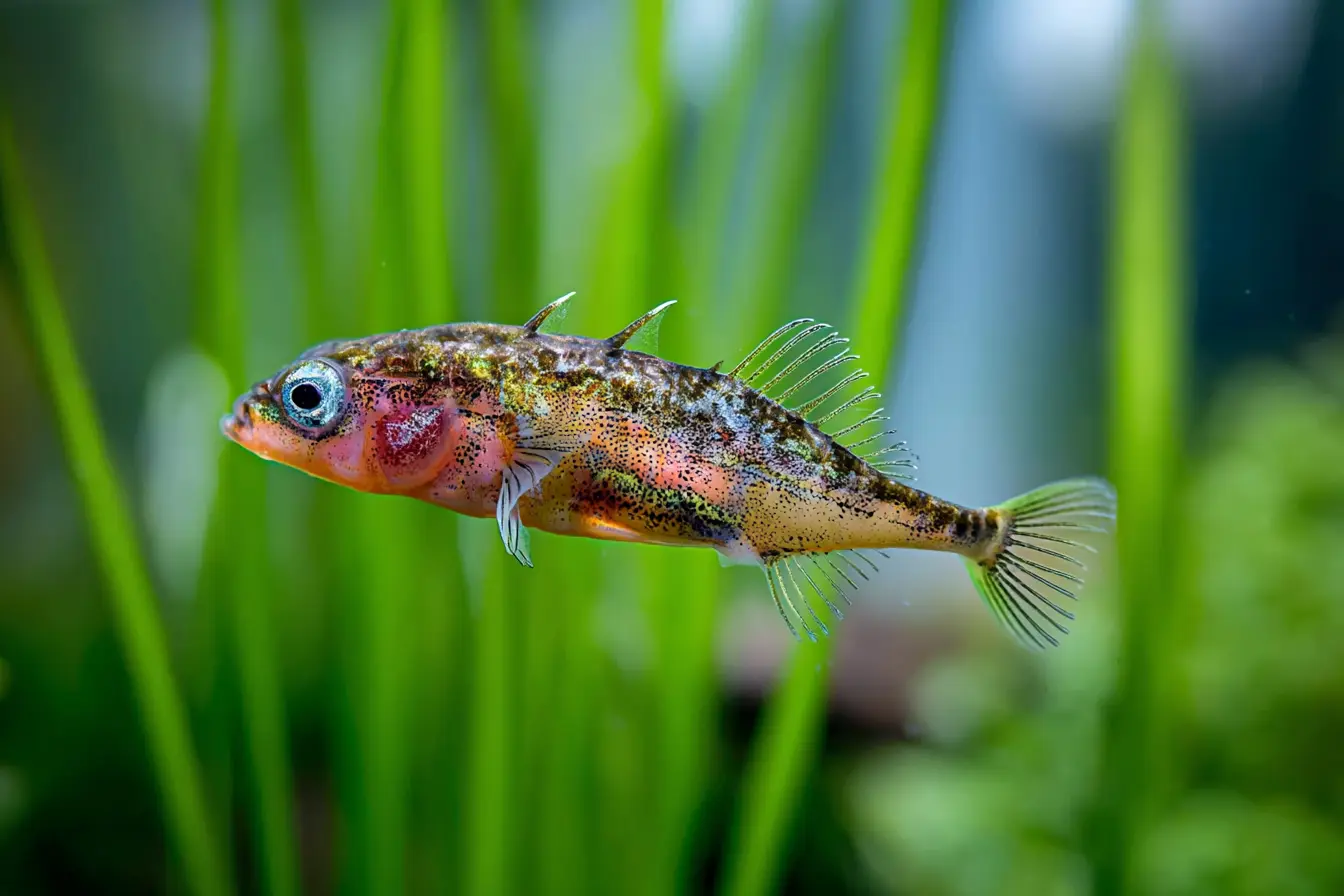
Sticklebacks are a fascinating addition to wildlife ponds, known for their distinctive appearance and lively behaviour. These small, spiny fish are native to the UK and add a natural touch to any garden pond. While they’re hardy and easy to keep, they have specific needs to thrive. Here’s everything you need to know about keeping sticklebacks in your pond.
What Are Sticklebacks?
Sticklebacks (Gasterosteidae) are small, streamlined fish known for:
- Distinctive spines: Usually 3–4 sharp spines on their back.
- Silvery or brownish colouration: Blending into natural pond habitats.
- Breeding colours: Males develop striking red bellies and blue eyes in spring and summer.
There are two main types found in UK ponds:
- Three-Spined Stickleback: The most common, often found in ponds, streams, and ditches.
- Nine-Spined Stickleback: Less common, more often found in brackish or coastal waters.
For garden ponds, the three-spined stickleback is the typical choice.
Pond Requirements for Sticklebacks
Pond Size and Depth
Sticklebacks don’t need a large pond:
- Minimum pond size: Around 500 litres (110 gallons) is sufficient for a small shoal.
- Depth: At least 45 cm (18 inches), with deeper areas (up to 1 metre) ideal for winter survival.
They prefer to live in small groups, so aim to keep at least five or six together.
Filtration and Aeration
Sticklebacks are tolerant of lower oxygen levels than many ornamental fish, but clean, well-oxygenated water is still best:
- Filtration: A simple filter system helps maintain water clarity and remove waste.
- Aeration: Air stones, waterfalls, or fountains will help oxygenate the water, especially in summer.
Planting and Habitat
A naturalistic, well-planted pond is ideal:
- Marginal plants: Iris, marsh marigold, and water mint create shaded edges and cover.
- Submerged plants: Hornwort, water milfoil, and elodea offer hiding places and spawning areas.
- Floating plants: Water lilies and duckweed reduce algae by shading the pond.
Sticklebacks thrive in a pond that mimics their natural habitat, with plenty of places to hide and hunt for food.
Water Quality
Although sticklebacks are hardy, good water quality is still important:
- pH: Aim for 7.0–8.0.
- Ammonia and nitrite: Both should be zero, as they’re toxic to fish.
- Nitrate: Keep below 40 ppm to discourage algae blooms.
Regular testing (especially in summer) and partial water changes (about 10–20%) every few weeks will help maintain good conditions.
Feeding Sticklebacks
Sticklebacks are naturally insectivorous:
- Natural diet: Insect larvae, small crustaceans, and zooplankton in the pond.
- Supplemental diet: Offer small, sinking pond fish food, micro pellets, or crushed flake food.
- Live and frozen foods: Treats like bloodworms, daphnia, and mosquito larvae are ideal.
Feed once daily in warmer months, only what they can eat in a few minutes. Reduce feeding as temperatures cool and stop altogether once water temperatures consistently drop below 10°C.
Seasonal Care
Spring
- Restart filtration and inspect equipment for damage.
- Observe males for bright breeding colours and courtship behaviour.
- Begin feeding as temperatures rise above 10°C.
Summer
- Maintain good oxygenation, especially during warm weather.
- Provide shaded areas with floating and marginal plants.
- Watch for algae blooms and remove excess manually if needed.
Autumn
- Gradually reduce feeding as temperatures drop.
- Remove fallen leaves to prevent decay and water quality issues.
- Prune pond plants and tidy up around the pond.
Winter
- Stop feeding once temperatures remain below 10°C.
- Keep a small hole in the ice using a pond heater, air stone, or de-icer to allow gas exchange.
- Avoid disturbing sticklebacks as they rest in deeper water.
Breeding Sticklebacks
One of the joys of keeping sticklebacks is watching them breed:
- Male behaviour: Males build bubble nests among plants or submerged structures.
- Courtship: Males display bright red bellies and dance to attract females.
- Egg care: Males guard the eggs and newly hatched fry.
Providing plenty of submerged plants and a quiet, naturalistic environment will encourage breeding.
Health and Common Issues
Sticklebacks are generally robust, but poor water quality can cause problems:
- Lethargy or gasping: Signs of low oxygen or poor water conditions.
- White spot (Ich): Tiny white cysts on fins or body.
- Fin damage: Occasionally caused by fighting between breeding males.
If you notice issues, check water quality first and treat as needed with pond-safe treatments.
Introducing Sticklebacks to Your Pond
When adding new sticklebacks:
- Acclimatise: Float the transport bag in the pond for 15–20 minutes, then gradually add pond water before releasing them.
- Introduce in small groups: Minimises stress and promotes natural shoaling behaviour.
Sticklebacks generally coexist well with other small, peaceful pond fish such as minnows and rudd.
Supporting a Wildlife-Friendly Pond
Sticklebacks are ideal for natural or wildlife-friendly ponds:
- Encourage biodiversity: They help control insect larvae and provide food for birds and other wildlife.
- Natural balance: A well-planted pond creates a balanced ecosystem supporting frogs, newts, and insects.
Avoid introducing them to ornamental koi or goldfish ponds, as large fish can outcompete sticklebacks for food.
Conclusion
Sticklebacks are a delightful, low-maintenance addition to any natural pond. With their lively behaviour and fascinating breeding displays, they offer a glimpse of the wild in your own garden. With a well-planted pond, stable water quality, and gentle seasonal care, sticklebacks will thrive and bring life and balance to your pond.
Quick questions
- What should I know about sticklebacks?
- Sticklebacks are small, spiny fish native to the UK, making them a lovely addition to wildlife ponds. They require a pond of around 500 litres with a depth of at least 45 cm. Ensure the water is well-oxygenated with simple. Vet Verified can help you compare UK veterinary practices by location, species, services and opening hours before you call.
- When should I contact a vet about sticklebacks?
- Contact a veterinary practice if your pet seems unwell, symptoms are getting worse, you are unsure what to do, or the situation may be urgent. Vet Verified helps you compare practice details, but a vet should advise on your pet's current care.
- Can Vet Verified help me find bird vets?
- Yes. Use Vet Verified to compare bird vets across the UK, then check practice profiles and call directly to confirm current availability.
Find a vet
Need a vet for this?
Use Vet Verified to compare UK veterinary practices that match this topic, then call the practice directly to confirm current services and availability.