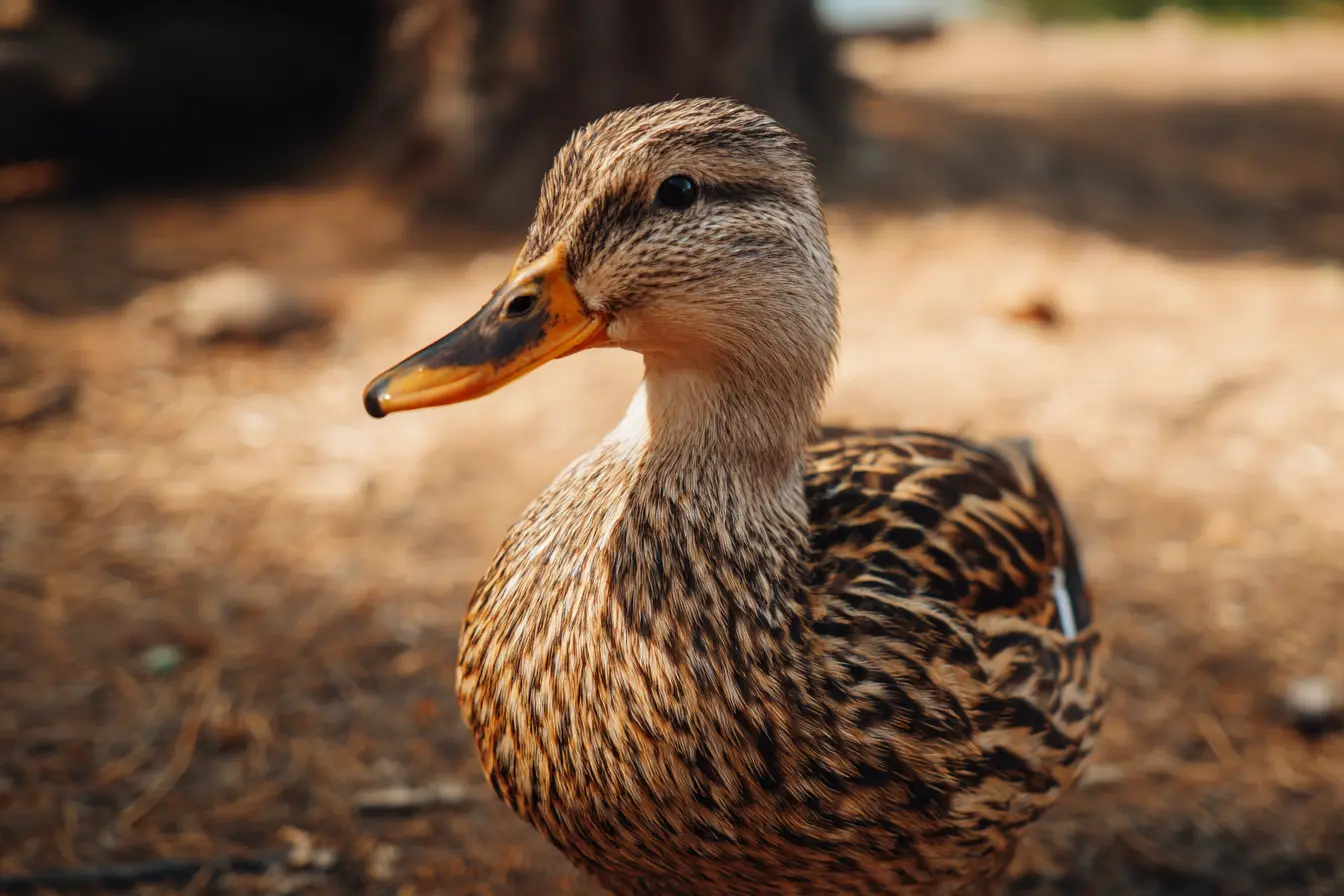
How Long Do Ducks Live?
If you’re considering keeping ducks, or already share your life with a quacking flock, you may be wondering how long ducks live. Ducks are often hardy, adaptable birds, and with the right care they can live for many years. However, lifespan varies significantly depending on breed, purpose, environment and overall management.
This guide explains everything duck owners need to know about duck lifespan, what affects it, and how to help your ducks live long, healthy lives.
Average Lifespan of a Duck
On average, domestic ducks live 8 to 12 years when properly cared for.
Some ducks live shorter lives, while others can exceed this range under excellent conditions.
- Back-garden and pet ducks: commonly 8–12 years
- Well-kept heritage breeds: often 10–15 years
- Commercial meat ducks: typically 5–8 weeks
- Commercial laying ducks: often 2–4 years
Wild ducks usually live much shorter lives due to predation and environmental pressures.
What Affects How Long Ducks Live?
Several important factors influence duck lifespan.
Breed and Genetics
Breed is one of the biggest influences on longevity.
Long-Lived Duck Breeds
Traditional and lighter breeds tend to live longer:
- Indian Runner
- Khaki Campbell
- Welsh Harlequin
- Call ducks
- Ancona
- Cayuga
These breeds are generally active, hardy and less prone to rapid weight gain.
Shorter-Lived Duck Breeds
Heavier or fast-growing breeds often have shorter lifespans:
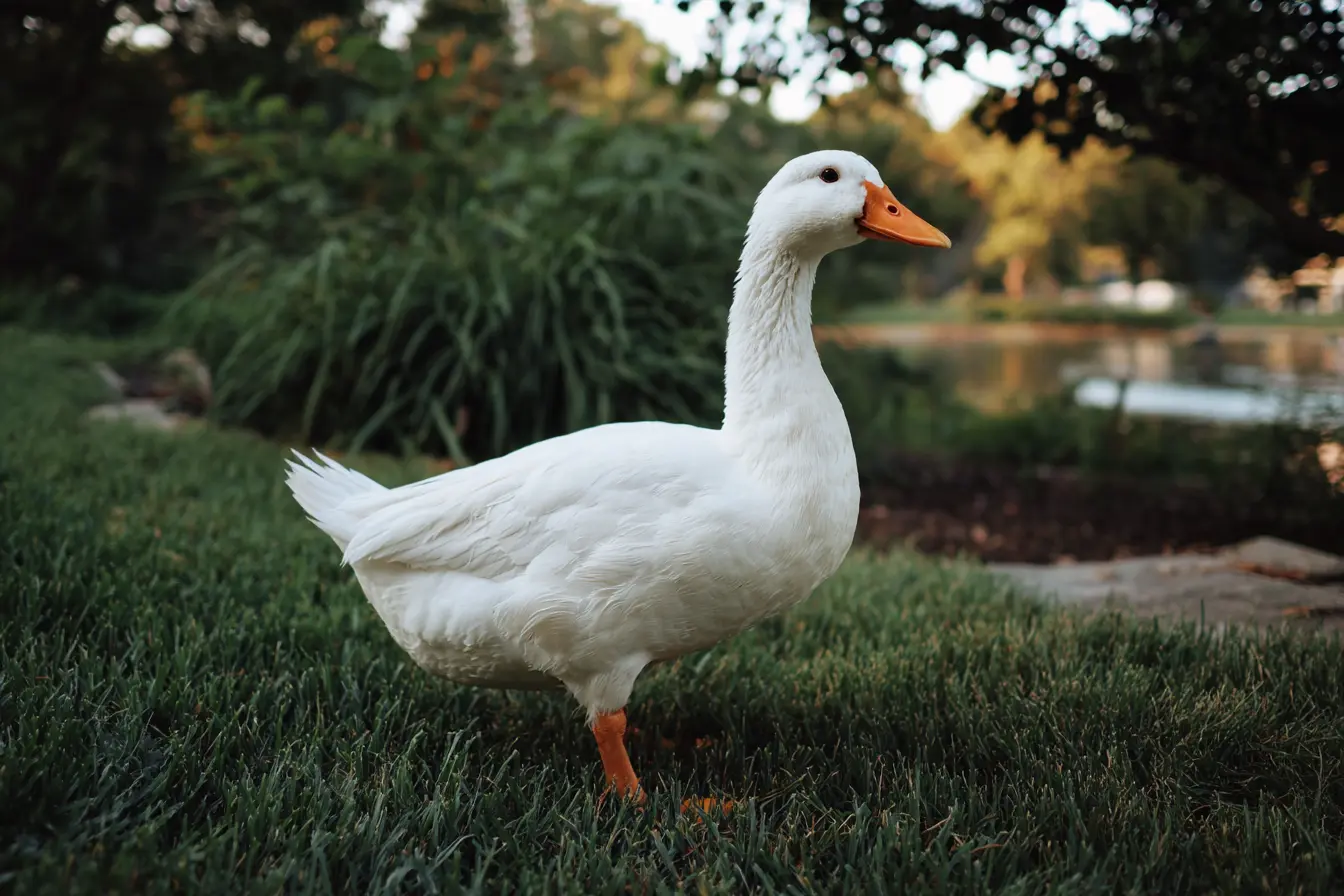
- Pekin
- Aylesbury
- Rouen (especially exhibition types)
These breeds are more prone to leg, heart and respiratory problems if not carefully managed.
Purpose: Pet, Eggs or Meat
Ducks kept as pets usually live far longer than those raised for production.
- Egg-laying ducks experience physical strain from frequent laying
- Meat ducks are bred for rapid growth and rarely live long lives
- Pet ducks live more naturally paced lives
Reducing egg production in later life can improve longevity.
Diet and Nutrition
Proper nutrition is essential for long life.
Ducks require:
- A complete duck feed (not chicken feed)
- Adequate niacin for leg health
- Clean water for eating and drinking
- Controlled treats and greens
Poor nutrition can lead to:
- Leg deformities
- Weak immune systems
- Organ damage
- Shortened lifespan
Chicken feed alone is not suitable for ducks long-term.
Housing and Environment
Safe, clean housing significantly affects how long ducks live.
Key Housing Needs
- Predator-proof night housing
- Dry bedding
- Good ventilation
- Protection from damp and cold
- Adequate space
Ducks tolerate cold well but are vulnerable to damp conditions.
Water Access and Safety
Water is essential to duck health.
Ducks need:
- Water deep enough to dunk their heads
- Regular access for cleaning nostrils and eyes
However, large open water sources can increase risk of:
- Predation
- Drowning of ducklings
- Waterborne disease
Safe, managed water access improves lifespan.
Predators and Safety
Predation is one of the leading causes of early death in ducks.
Common UK predators include:
- Foxes
- Mink
- Rats
- Dogs
- Birds of prey
Secure fencing, covered runs and locked housing at night are vital.
Disease and Health Care
Ducks are generally hardy, but disease can shorten lives if untreated.
Common health risks include:
- Bumblefoot
- Respiratory infections
- Worms and parasites
- Egg binding
- Wet feather
Regular health checks and clean conditions are key.
How Long Do Laying Ducks Live?
Laying ducks can live many years beyond their productive laying period.
Egg Production and Ageing
- Most ducks lay well for 2–3 years
- Egg production gradually declines
- Many older ducks lay only seasonally
A duck does not need to keep laying to remain healthy.
How Long Do Male Ducks (Drakes) Live?
Drakes typically live as long as or longer than females, often 10–15 years.
Reasons include:
- No egg-laying strain
- Lower calcium demands
- Less reproductive stress
However, multiple drakes together may fight, increasing injury risk.
How Long Do Ducks Live in the Wild?
Wild ducks usually live 2–5 years, though many die much younger.
Risks include:
- Predators
- Harsh weather
- Food shortages
- Disease
Domestic ducks live significantly longer due to human care.
Signs a Duck Is Ageing
As ducks grow older, you may notice:
- Reduced egg laying
- Slower walking
- Stiff joints
- Weight changes
- Duller plumage
- Reduced vision
Older ducks can still enjoy excellent quality of life with appropriate care.
How to Help Ducks Live Longer
Owners can greatly extend duck lifespan through good management.
Provide the Right Diet
- Use duck-specific feed
- Supplement niacin if needed
- Avoid excessive bread or treats
Maintain Dry, Clean Housing
- Change bedding frequently
- Improve drainage in runs
- Provide sheltered resting areas
Reduce Stress
- Stable flock groups
- Adequate space
- Gentle handling
Monitor Health Closely
- Check feet regularly
- Watch for breathing issues
- Treat infections promptly
Adjust Care for Older Ducks
- Easier access to food and water
- Softer ground surfaces
- Extra shelter in winter
When Ducks Die Young
Sadly, not all ducks reach old age.
Common causes include:
- Predators
- Poor nutrition
- Wet or unsanitary conditions
- Injury
- Untreated illness
Many of these causes are preventable.
Emotional Considerations for Owners
Ducks often become affectionate, characterful companions. Losing one can be distressing, particularly after many years.
It’s important to remember:
- Ducks can live long, happy lives
- Good care makes a huge difference
- Older ducks deserve comfort and dignity
Conclusion
Ducks typically live 8 to 12 years, with many pet and heritage ducks living even longer when well cared for. Breed choice, diet, housing, health care and predator protection all play a crucial role in determining lifespan.
While some ducks are bred for short, productive lives, pet ducks can be long-term companions. With attentive care and thoughtful management, owners can give their ducks the best chance of a long, healthy and happy life.
Contents
- Average Lifespan of a Duck
- Breed and Genetics
- Purpose: Pet, Eggs or Meat
- Diet and Nutrition
- Housing and Environment
- Water Access and Safety
- Predators and Safety
- Disease and Health Care
- Egg Production and Ageing
- Provide the Right Diet
- Maintain Dry, Clean Housing
- Reduce Stress
- Monitor Health Closely
- Adjust Care for Older Ducks
Tags
Vets near you
Speciality vets
- Aquatics vet specialists
- Birds vet specialists
- Camelids vet specialists
- Cats vet specialists
- Cattle vet specialists
- Deer vet specialists
- Dogs vet specialists
- Equines vet specialists
- Exotic vet specialists
- Goats vet specialists
- Pigs vet specialists
- Poultry vet specialists
- Sheep vet specialists
- Small Mammals vet specialists
- Wild vet specialists
Vet facilities
- Accessible by public transport
- Blood testing
- Car park nearby
- Client car park
- Dentistry
- Diagnostic imaging
- Disabled public access
- Flea and worm treatments
- Microchipping
- Mobile services
- Neutering
- Open at weekends
- Out-of-hours service
- Referral interests
- Referrals only
- Street parking outside
- Toilets available
- Vaccinations