A Complete Guide to Keeping Red-legged Partridges in the UK
The Red-legged Partridge is one of the most attractive and characterful game birds that can be kept in the United Kingdom. Known for its striking plumage, gentle temperament, and adaptability, it is a popular choice for gamekeepers, smallholders, and enthusiasts who enjoy rearing game birds either for shooting, conservation, or ornamental purposes.
This guide provides a detailed overview of everything you need to know about keeping Red-legged Partridges successfully and responsibly, from housing and feeding to breeding, health, and legal considerations.
Understanding the Red-legged Partridge
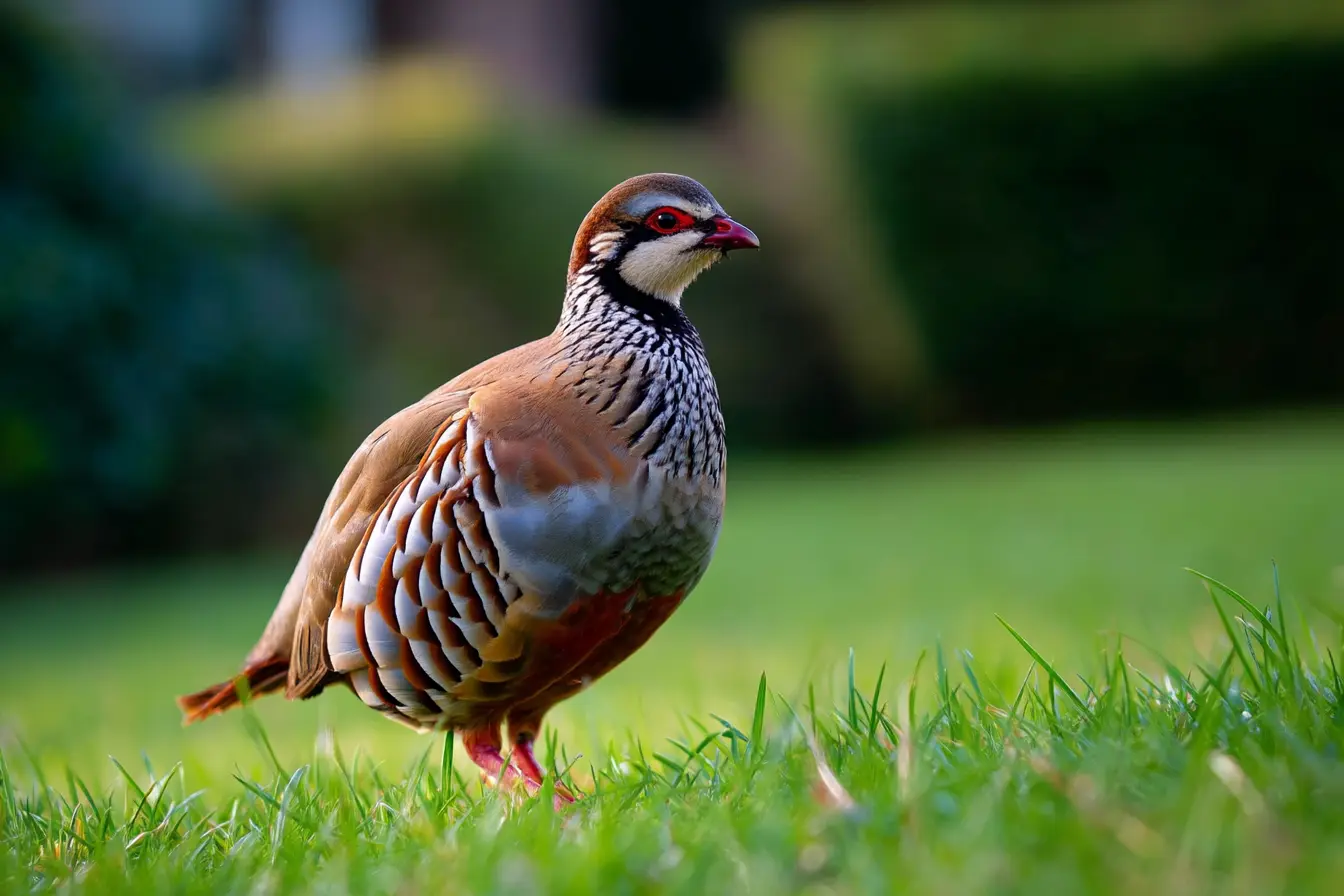
The Red-legged Partridge (Alectoris rufa) is native to continental Europe but was introduced to Britain in the 18th century. It has since established itself widely, particularly across lowland England. Its distinctive red beak and legs, bold black and white facial markings, and chestnut flanks make it one of the most visually striking game birds in the countryside.
Key Characteristics
- Size: Around 33–38 cm in length
- Weight: Approximately 500–550 grams
- Lifespan: 3–5 years in the wild, longer in captivity
- Diet: Seeds, grains, leaves, and insects
- Habitat: Prefers open farmland, grassy margins, and hedgerows
The Red-legged Partridge is often confused with the native Grey Partridge, but it can be distinguished by its brighter colouring and tendency to prefer drier, more open terrain.
Legal and Ethical Considerations
In the UK, the Red-legged Partridge is classed as a game bird under the Game Act 1831 and the Wildlife and Countryside Act 1981.
Key Legal Points
- No special licence is required to keep or breed Red-legged Partridges in captivity.
- The open shooting season runs from 1 September to 1 February.
- Releasing birds into the wild for shooting must be done responsibly to prevent environmental harm.
- Keepers must comply with the Animal Welfare Act 2006, ensuring birds are provided with suitable housing, nutrition, and care.
- If breeding or rearing large numbers commercially, you may need to register with the Animal and Plant Health Agency (APHA).
As with all wildlife, ethical management is crucial. Avoid overstocking, provide natural habitat features, and ensure that birds are released only into suitable environments.
Housing and Enclosures
Red-legged Partridges are hardy birds, but they require secure and well-designed housing, particularly during the rearing phase.
Brooding and Rearing
Young chicks (known as poults) should initially be kept in a brooder house with constant warmth and protection from draughts.
- Temperature: Start at 35°C and reduce by 3°C each week until fully feathered.
- Flooring: Use clean, dry litter such as wood shavings or chopped straw.
- Lighting: Provide gentle lighting to encourage feeding.
- Space: Minimum 1 square foot per chick initially, increasing as they grow.
Ensure good hygiene to prevent disease outbreaks, and avoid overcrowding, which can lead to stress and feather pecking.
Outdoor Pens
Once the birds are fully feathered (around 5–6 weeks), they can be moved to an outdoor pen or aviary.
- Fencing: At least 1.5 metres high with fine mesh to prevent escape and predation.
- Shelter: Provide low cover such as shrubs, grass tussocks, or artificial shelters.
- Ground cover: Natural vegetation is ideal; avoid bare earth, which becomes muddy and unhygienic.
- Perches: While not essential, low branches or structures encourage natural behaviour.
- Space: At least 2 square metres per bird for growing birds, more for breeding stock.
In larger setups, partridges can be kept in release pens before being introduced into the wild or a managed estate.
Free-Range Systems
Adult Red-legged Partridges can adapt to free-range systems if there is suitable shelter and protection from predators. They should always have access to supplementary feed and clean water, and their environment should include hedgerows or rough grass for cover.
Feeding and Nutrition
A balanced diet is essential for health, feather condition, and breeding success.
Feeding Schedule
- Chicks: Game bird starter crumb (28% protein) for the first 3 weeks.
- Growers: 22–24% protein pellets from 3–8 weeks.
- Adults: Maintenance or layer pellets (16–18% protein) once mature.
Supplement with grains such as wheat or barley, fresh greens, and grit to aid digestion. Provide clean, fresh water at all times.
Seasonal Feeding
- In spring, increase protein intake for breeding birds.
- In winter, offer high-energy grains to help maintain body weight and warmth.
- Scatter food to encourage natural foraging behaviour, reducing boredom and feather pecking.
Breeding and Reproduction
Red-legged Partridges are prolific breeders when kept in the right conditions.
Breeding Season
Breeding usually begins in April and continues through June. A typical ratio is one male to two females.
Nesting
- Provide secluded areas with grass, straw, or dry vegetation for nesting.
- Partridges prefer to nest on the ground under cover.
- Each hen lays between 10 and 20 eggs per season.
Incubation and Hatching
- Natural incubation: Hens may sit on eggs, but they are often unreliable.
- Artificial incubation: Commonly used for consistency.
- Temperature: 37.5°C
- Humidity: 50–55%, increasing to 65% for hatching
- Turning: Three to four times daily until day 21
- Incubation period: 23–24 days
Chicks should be transferred immediately to a warm brooder after hatching.
Health and Disease Management
Red-legged Partridges are generally hardy but can be prone to certain diseases, especially in intensive rearing environments.
Common Health Issues
- Coccidiosis: A parasitic gut infection; prevent with clean housing and medicated feed.
- Hexamitiasis: Causes diarrhoea and weight loss; ensure good hygiene and biosecurity.
- Respiratory infections: Avoid dusty litter and overcrowding.
- Worms: Regular worming is advisable for birds kept outdoors.
- Feather pecking: Caused by stress or poor diet; provide cover and scatter feeding.
Always quarantine new birds for at least two weeks before introducing them to existing stock.
Hygiene Practices
- Clean feeders and drinkers daily.
- Disinfect pens between batches.
- Replace bedding regularly to prevent moisture build-up.
- Keep wild birds away to reduce disease transmission.
Predator Control and Safety
Partridges are vulnerable to foxes, stoats, rats, and birds of prey. Protect your birds by:
- Using secure fencing and netting over pens.
- Installing electric fencing around outdoor enclosures.
- Keeping food storage areas clean to discourage vermin.
- Providing natural or artificial cover to reduce stress from overhead predators.
Behaviour and Temperament
Red-legged Partridges are social, active birds with gentle temperaments. They are happiest in small groups and can become quite tame with regular, calm handling.
They are ground dwellers that prefer running to flying and enjoy dust bathing, foraging, and scratching. Avoid sudden noises or disturbances, as they can panic and injure themselves against fences.
Winter Care
These birds are well adapted to cold weather but dislike damp conditions.
- Provide dry, draught-free shelter with deep bedding.
- Ensure feed and water supplies remain unfrozen.
- Offer extra grain and fat-rich foods for energy.
- Reduce stress by maintaining consistent routines and avoiding sudden changes.
Record Keeping
Accurate record keeping is important for responsible management. Keep detailed notes on:
- Breeding pairs and hatch dates.
- Feed and medication schedules.
- Mortality and health issues.
- Sales or releases into the wild.
Good records ensure compliance with welfare regulations and improve breeding success over time.
Conservation and Environmental Considerations
Although widespread, the Red-legged Partridge plays a valuable role in farmland ecology. Responsible management helps maintain biodiversity and can support other species such as hares, skylarks, and yellowhammers.
When releasing birds, follow the Game and Wildlife Conservation Trust (GWCT) guidelines to prevent overstocking and maintain balance in the local environment.
Conclusion
Keeping Red-legged Partridges can be a rewarding and educational experience. Whether you are managing them for game shooting, conservation, or simply for their beauty, success depends on careful planning, good husbandry, and respect for their natural behaviours.
With secure housing, balanced nutrition, and high welfare standards, these hardy, attractive birds will thrive and bring life and colour to any well-managed estate or smallholding.
Contents
- Understanding the Red-legged Partridge
- Legal and Ethical Considerations
- Housing and Enclosures
- Feeding and Nutrition
- Breeding and Reproduction
- Health and Disease Management
- Predator Control and Safety
- Behaviour and Temperament
- Winter Care
- Record Keeping
- Conservation and Environmental Considerations
- Conclusion
Tags
Vets near you
Speciality vets
- Aquatics vet specialists
- Birds vet specialists
- Camelids vet specialists
- Cats vet specialists
- Cattle vet specialists
- Deer vet specialists
- Dogs vet specialists
- Equines vet specialists
- Exotic vet specialists
- Goats vet specialists
- Pigs vet specialists
- Poultry vet specialists
- Sheep vet specialists
- Small Mammals vet specialists
- Wild vet specialists
Vet facilities
- Accessible by public transport
- Blood testing
- Car park nearby
- Client car park
- Dentistry
- Diagnostic imaging
- Disabled public access
- Flea and worm treatments
- Microchipping
- Mobile services
- Neutering
- Open at weekends
- Out-of-hours service
- Referral interests
- Referrals only
- Street parking outside
- Toilets available
- Vaccinations