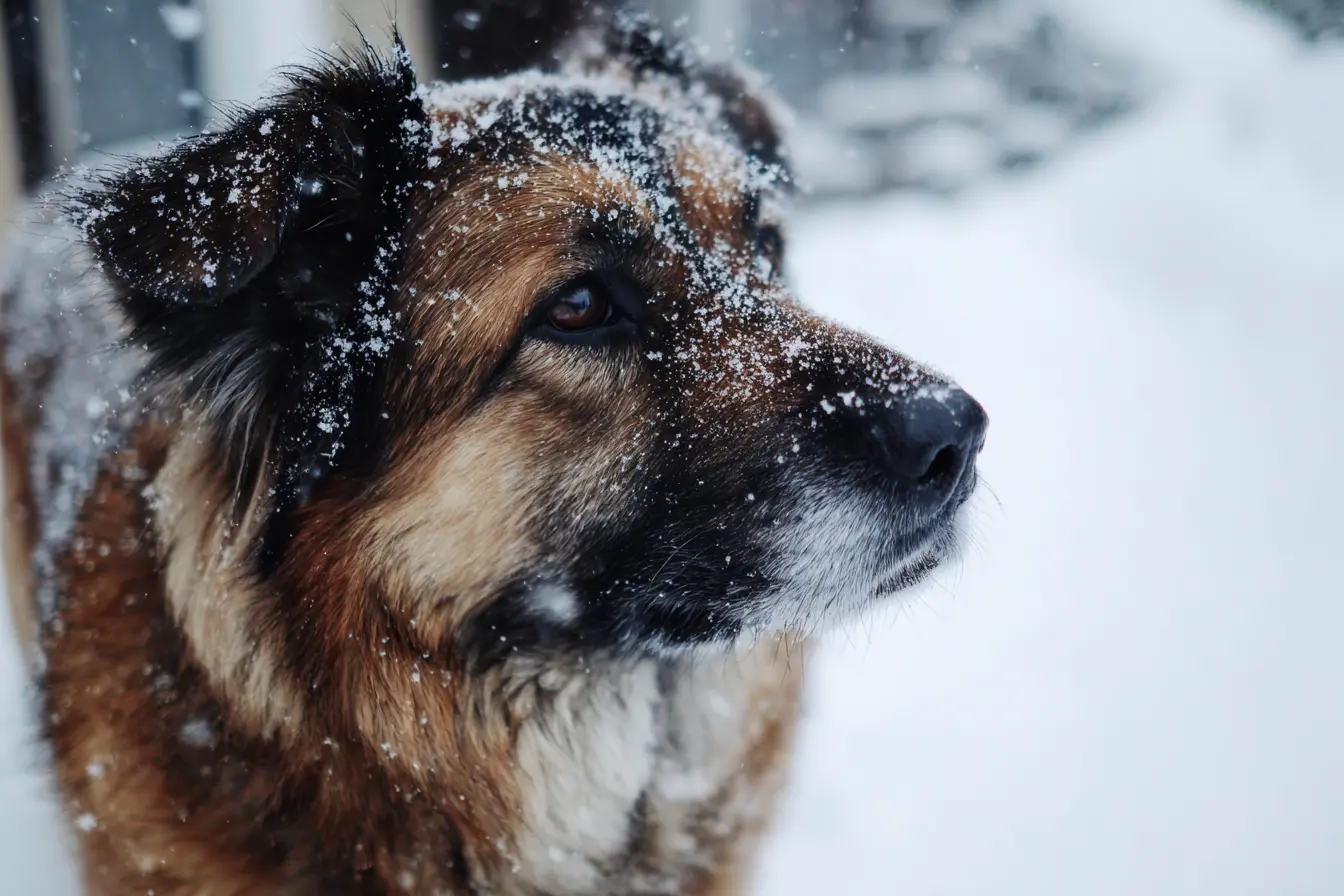
Caring for Your Dog During Cold Weather
Cold weather, ice and snow can be exciting for many dogs, but winter in the UK also brings a range of risks that owners need to be aware of. Shorter days, freezing temperatures, grit-covered pavements and damp conditions all affect dogs differently depending on their breed, age and health.
This comprehensive guide covers everything owners need to know to keep their dogs safe, warm and healthy during cold weather.
How Cold Is Too Cold for Dogs?
There is no single temperature that is “too cold” for all dogs. Tolerance varies widely depending on:
- Breed and coat type
- Body size and weight
- Age
- Health conditions
- Activity level
- Whether the dog is acclimatised to cold
General Guidance
- Above 7°C – Most dogs are comfortable.
- Between 0°C and 7°C – Some dogs (especially small, elderly or short-haired breeds) may start to feel uncomfortable.
- Below 0°C – Extra precautions are needed for most dogs.
- Below -6°C – Even cold-tolerant breeds are at risk.
Dogs More Vulnerable to Cold
- Puppies
- Senior dogs
- Small breeds (e.g. Chihuahuas, Yorkies)
- Short-haired or hairless breeds (e.g. Greyhounds, Whippets, Staffordshire Bull Terriers)
- Dogs with arthritis, heart disease, diabetes or kidney problems
- Underweight dogs
Walking Your Dog in Ice and Snow
Adjust Walk Length and Timing
- Shorten walks in very cold or icy conditions.
- Walk during daylight where possible, when temperatures are higher and visibility is better.
- Avoid early mornings and late evenings during freezing weather.
Watch for Slips and Injuries
Ice can cause:
- Muscle strains
- Torn ligaments
- Broken nails
- Paw injuries
Walk slowly, keep dogs on a lead on icy pavements, and avoid steep or untreated paths.
Snow Safety
- Snow can clump between toes and pads, causing pain and skin irritation.
- Trim excess fur between pads before winter.
- Stop dogs from eating snow, which may contain grit, salt or bacteria.
Paw Care in Winter
Grit, Salt and De-Icers
UK pavements and roads are often treated with salt or chemical de-icers, which can:
- Burn paw pads
- Cause cracks and sores
- Lead to stomach upset if licked off
After every walk:
- Rinse paws with lukewarm water.
- Dry thoroughly, especially between toes.
Protective Measures
- Apply a dog-safe paw balm before walks to create a barrier.
- Consider dog boots for sensitive dogs (ensure a proper fit).
- Check paws daily for cuts, redness or swelling.
Keeping Your Dog Warm Outdoors
Dog Coats and Jumpers
Many dogs benefit from winter clothing, particularly:
- Short-haired breeds
- Small dogs
- Elderly dogs
- Dogs recovering from illness or surgery
Choose coats that:
- Are waterproof and windproof
- Cover the chest and belly
- Fit snugly without restricting movement
Visibility in Winter
Dark mornings and evenings increase accident risk.
- Use reflective coats, leads or collars.
- Consider LED collar lights for visibility.
Cold Weather Dangers to Watch For
Hypothermia
Signs include:
- Shivering
- Lethargy
- Weakness
- Pale gums
- Slow breathing
What to do:
- Bring your dog indoors immediately.
- Dry them and wrap them in warm blankets.
- Contact your vet urgently.
Frostbite
Usually affects ears, tail, paws and nose.
Signs include:
- Pale or grey skin
- Swelling
- Pain when touched
Seek veterinary attention if frostbite is suspected.
Antifreeze Poisoning
Antifreeze is extremely toxic and has a sweet taste.
- Even a small amount can be fatal.
- Keep containers sealed and spills cleaned immediately.
Symptoms include vomiting, lethargy and seizures. Emergency vet care is essential.
Caring for Dogs at Home During Cold Weather
Indoor Warmth
- Provide warm bedding away from draughts.
- Raise beds slightly off cold floors.
- Consider orthopaedic beds for dogs with arthritis.
Heating Safety
- Keep dogs away from open fires, heaters and radiators.
- Never use hot water bottles directly on dogs.
Outdoor Dogs
Dogs should not be left outside in freezing conditions.
- Kennels alone are not sufficient in extreme cold.
- All dogs need access to warmth, shelter and fresh (unfrozen) water.
Nutrition and Hydration in Winter
Feeding
- Active dogs may need slightly more food to maintain body heat.
- Avoid unnecessary weight gain in less active dogs.
- Consult your vet before changing your dog’s diet.
Water
- Ensure fresh water is always available.
- Check outdoor bowls regularly to prevent freezing.
Grooming and Bathing in Winter
- Avoid bathing unless necessary.
- Always dry your dog thoroughly before letting them outside.
- Damp coats increase the risk of chilling and skin infections.
- Regular brushing helps maintain coat insulation.
Special Considerations for Puppies and Older Dogs
Puppies
- Very sensitive to cold.
- Limit outdoor exposure.
- Provide extra warmth and supervision.
Senior Dogs
- Cold weather can worsen arthritis and joint pain.
- Keep walks shorter and more frequent.
- Speak to your vet about pain management and supplements.
Preparing for Severe Winter Weather
- Keep an emergency supply of dog food, medication and water.
- Ensure ID tags and microchip details are up to date.
- Have towels and paw-cleaning supplies ready by the door.
- Check weather forecasts before heading out.
Conclusion
Winter in the UK can be unpredictable, with damp, cold, ice and sudden snowfall posing risks to dogs of all ages and breeds. With proper preparation, awareness and care, you can ensure your dog stays safe, warm and happy throughout the colder months.
If you are ever unsure whether your dog is coping well with cold weather, seek advice from your vet. Prevention is always better than treatment when it comes to winter safety.
Contents
- How Cold Is Too Cold for Dogs?
- Walking Your Dog in Ice and Snow
- Paw Care in Winter
- Keeping Your Dog Warm Outdoors
- Cold Weather Dangers to Watch For
- Caring for Dogs at Home During Cold Weather
- Nutrition and Hydration in Winter
- Grooming and Bathing in Winter
- Special Considerations for Puppies and Older Dogs
- Preparing for Severe Winter Weather
- Conclusion
Tags
Vets near you
Speciality vets
- Aquatics vet specialists
- Birds vet specialists
- Camelids vet specialists
- Cats vet specialists
- Cattle vet specialists
- Deer vet specialists
- Dogs vet specialists
- Equines vet specialists
- Exotic vet specialists
- Goats vet specialists
- Pigs vet specialists
- Poultry vet specialists
- Sheep vet specialists
- Small Mammals vet specialists
- Wild vet specialists
Vet facilities
- Accessible by public transport
- Blood testing
- Car park nearby
- Client car park
- Dentistry
- Diagnostic imaging
- Disabled public access
- Flea and worm treatments
- Microchipping
- Mobile services
- Neutering
- Open at weekends
- Out-of-hours service
- Referral interests
- Referrals only
- Street parking outside
- Toilets available
- Vaccinations